
























ceda 4.5: ceda's Future Strategic Plan
News
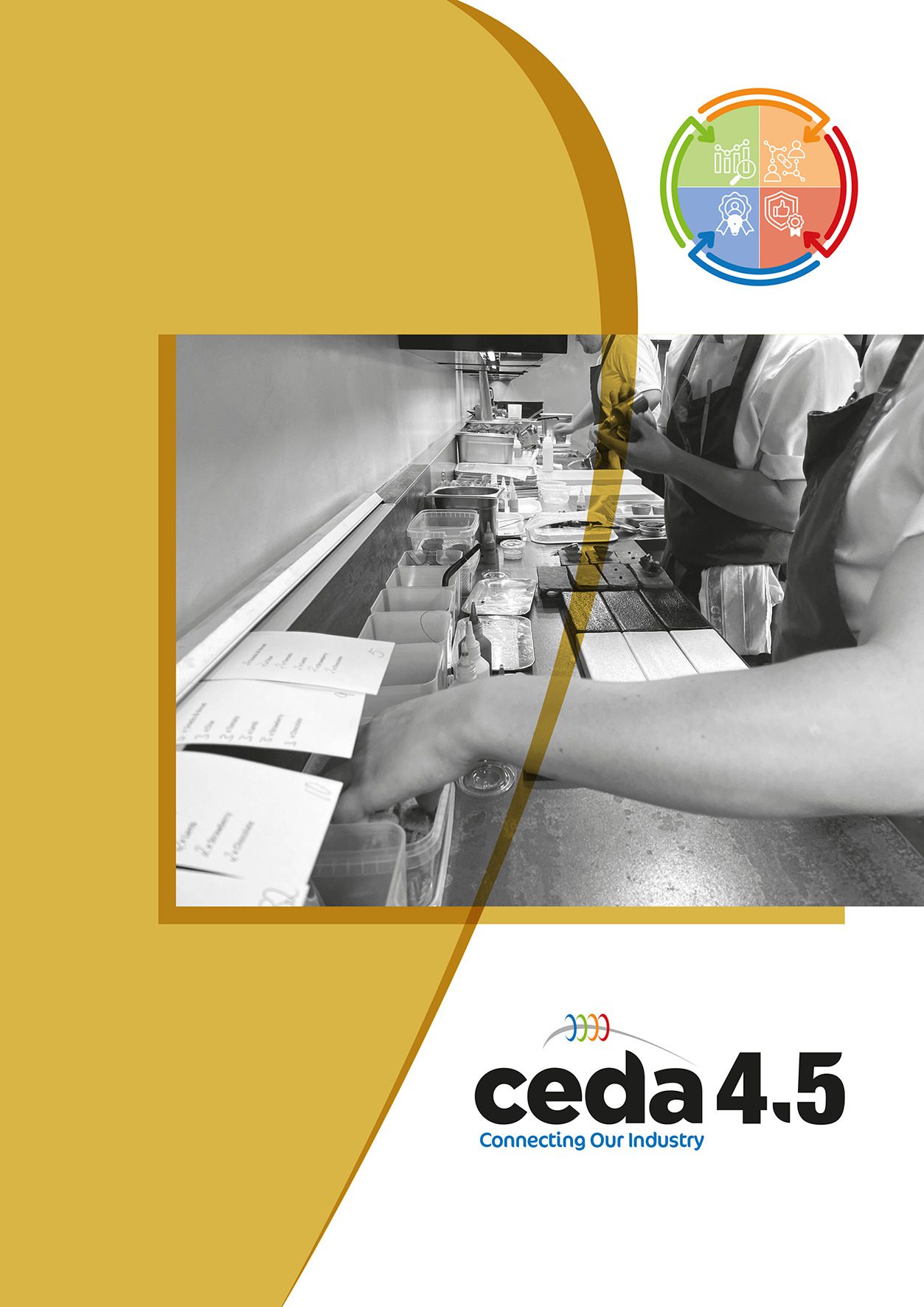
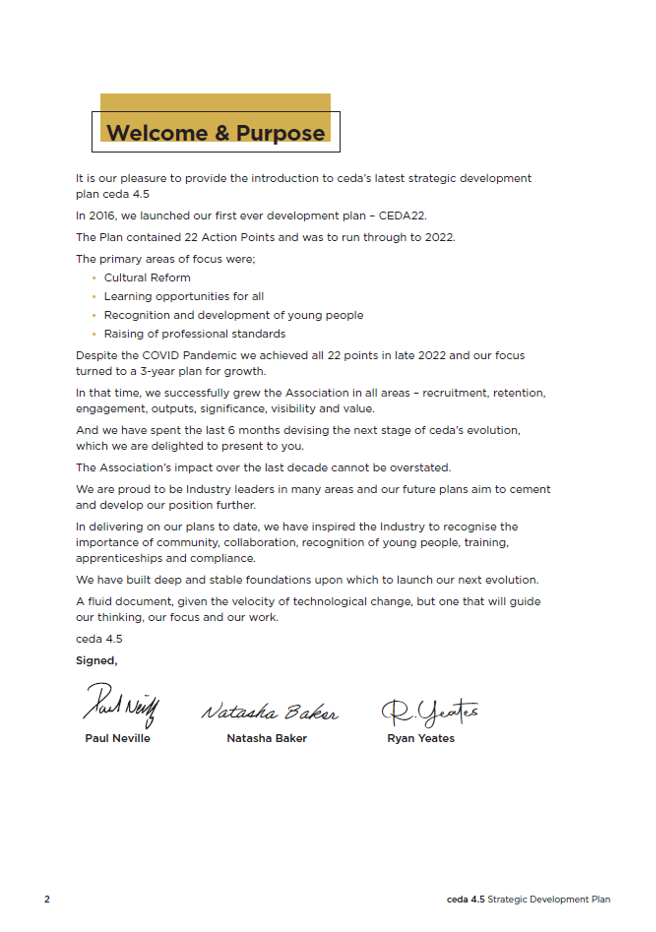
At the recent ceda Conference 2026, ceda Director General Adam Mason launched our new strategic development plan; ceda 4.5
The world around us is moving faster than at any point in our lifetimes. AI and Technology are changing how businesses operate. They are changing how projects are designed, delivered and maintained. The expectations of customers are changing. The expectations of employees are changing. Regulation and compliance requirements are changing. The skills we need are changing. And the pace of change is only accelerating.
So that is why we have created ceda 4.5; to prepare and plan for the future, and ensure our Members thrive in the years ahead,
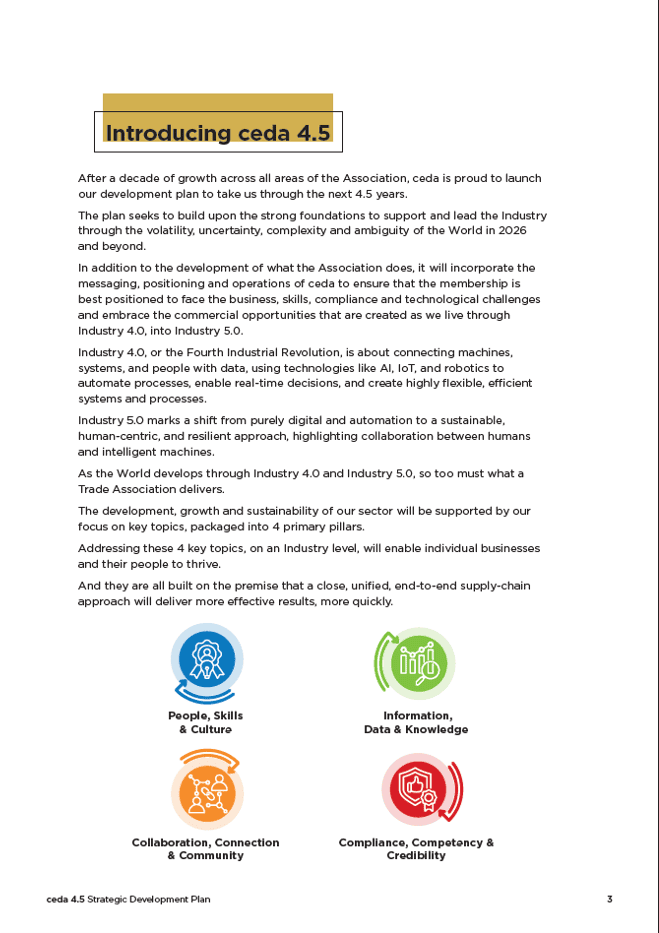
Our evolution is built around four strategic pillars:
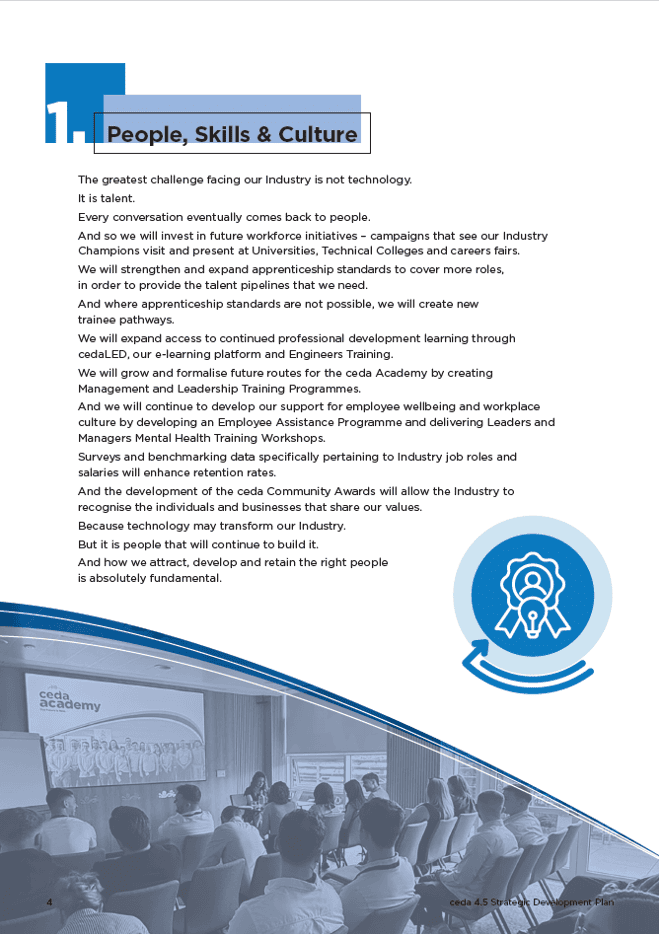
- People, Skills & Culture
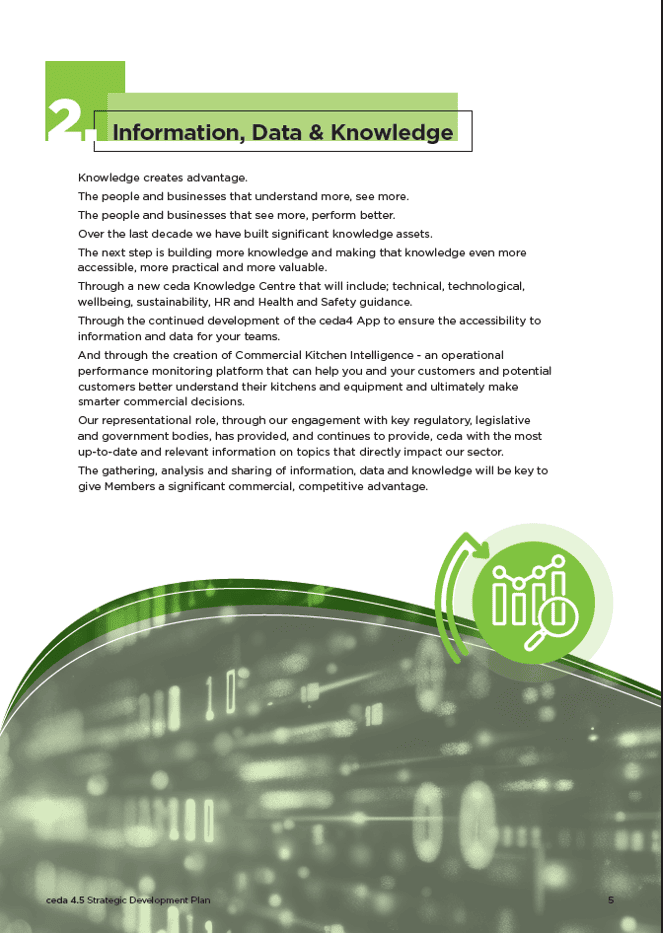
- Information, Data & Knowledge
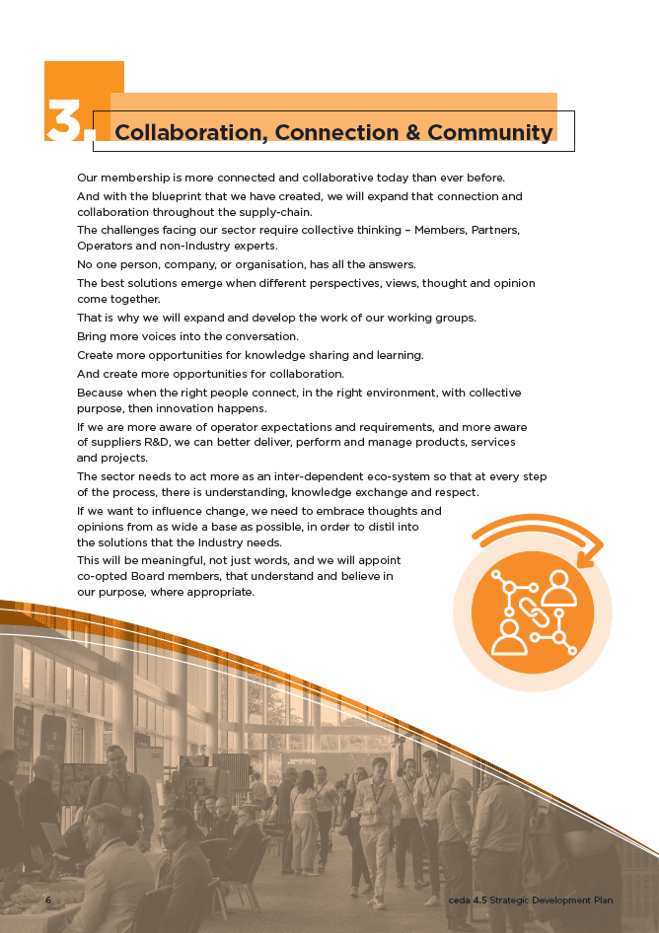
- Collaboration, Connection & Community
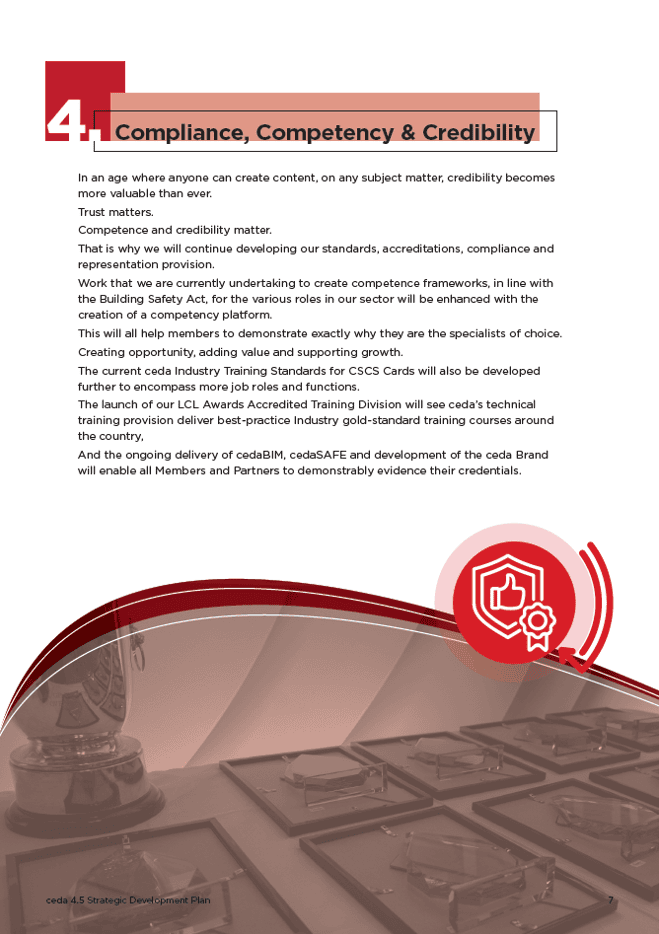
- Compliance, Competency & Credibility
These four pillars will shape everything that we do over the next four and a half years.
IN ACTION
We have already put some of the people in place, created some of the infrastructure and built some of the solutions…
The appointments of Maria, Ellen and Harry to the Academy Leadership Team continues our development of outstanding young people. The Leadership Team will shortly be engaged in a project, working with our training partners and employers, to build ‘Management-ready’ and ‘Leadership-ready’ training programmes.
The Board appointments of Rebecca, Alice and Ben to the Board puts topics like; sustainability, innovation and collaboration across the supply chain, our future workforce and technical compliance on every Board agenda.
The creation of our Sustainability Working Group, led by two of the sectors leading experts in Alice and Lauren Hunter, already has a number of very focused objectives in line with this development plan, to drive the Industry forward.
In the last couple of weeks we have become an LCL Awards Approved Training Centre so that we can deliver ceda-created technical training to our Members around the country.
Removing barriers and raising compliance standards with the development of The ceda Electrical Standard; a fully accredited electrical training programme for catering engineers.
At the end of last year, we undertook the largest wellbeing survey of our industry. It has given us the data and information to build the solutions and support that the industry has told us it needs.
And the development of an operational performance monitoring system that will; provide Members with a deeper understanding of commercial kitchens and equipment, create additional commercial opportunities and aspire to build the largest data centre in the Industry, is only weeks away.
IN CONCLUSION
When we bring these four pillars together, we believe that we will create something powerful. A united ecosystem with representation and voice from all areas of our industry that want better. Together they create commercial advantage. Together they strengthen the industry. And together they help us prepare for a future where technology and people work together to achieve more than either could achieve alone.
We are looking to find the balance between Artificial Intelligence and Emotional Intelligence. The balance between Commercial Value, Human Value and Social Value. The balance between Industry 4.0 and Industry 5.0.
Our next evolution is not about maintaining what we have built.
It is about developing it.
It is about expanding it.
It is about strengthening it.
And it is about ensuring that our industry is ready for what comes next.
The last decade has proved what our community can achieve together. The next four and a half years will show what is possible when we raise our ambitions even higher.
Uniting the industry and building the service, support and solutions that will help our businesses and our people thrive.

ceda Job Vacancy - Technical Trainer
News
Job Role: Technical Trainer
Location: Regional / Field-Based (UK)
Position: Full-Time
About the Role
Following the exciting launch of The ceda Electrical Standard at our 2026 Conference, we are officially recruiting a passionate and driven Technical Trainer to bring this landmark training programme to life.
This isn’t just a standard training job. You will be on the ground delivering training, nationwide, that directly aligns with ceda’s vision.
You will be the face of a brand-new initiative designed to elevate engineering standards across the entire commercial catering industry.
The role is a full-time position, will involve hybrid working and significant UK travel is involved.
The salary range is £50k-£60k plus business performance related bonus and benefits.
The Opportunity
We are starting with the rollout of the Electrical Standard, but we aren’t stopping there. For the right person, this role comes with massive development potential. We are looking for someone who wants to head up this division as it grows, expands, and introduces further industry-leading training
What You’ll Do
- Deliver High-Impact Training: Lead and facilitate regional training sessions, across the UK and Ireland, for the ceda Electrical Standard, ensuring engineers hit the highest standards of safety and performance.
- Support the Membership: Work closely with ceda members and partners, understanding their needs and ensuring the training delivers real-world value.
- Collaborate with the Team: Work hand-in-hand with the ceda technical and management teams to keep the curriculum sharp, relevant, and forward-thinking.
- Drive Growth: Help shape the future of ceda’s training division as we look to expand our learning, education and development offerings.
Who You Are
- An Experienced Professional: You have a strong technical background (ideally within commercial catering, electrical standards, or field service) and are an experienced trainer of technicians and engineers.
- A People Person: You love engaging with the community, listening and offering genuine support to members.
- Growth-Minded: You’re excited by the prospect of building something from the ground up with passion, energy and commitment.
- A Team Player: You want to be part of a passionate, hardworking team that drives real change in the industry.
Why Join Us?
At ceda, we are entirely dedicated to the betterment of our industry and you will be joining a supportive team at a time of massive momentum. If you’re ready to take the next definitive step in your training career, we want to hear from you.
Next Steps
If you would like to apply for the position please send a covering letter, outlining your suitability for the role, and CV to justin@ceda.co.uk – the deadline for applications is Friday 24th July 2026.

Support Parts Town UK’s Charity Fundraising Activities!
News
In the coming months, Parts Town UK are coming together as a team to raise funds for their three fantastic charity partners: Dementia UK, Bleakholt Animal Sanctuary, and Acorns Children’s Hospice.
With two exciting events underway, there are still plenty of ways to show your support – whether that’s cheering from the sidelines or donating.
Midlands Tough Mudder – Saturday 4th July 2026
A big shoutout to our Cannock colleagues who took on the Midlands Tough Mudder.
This challenging event saw participants push themselves to the limit – all in support of Parts Town UK’s chosen charities.
You can still make a huge difference by sponsoring the team who took part in this event. Every donation goes directly to the charity partners.
Heywood Hike – September 2026
There’s still time to get involved in our Heywood Hike, and we’d love to have as many people as possible supporting us complete an arduous 12Km hike in the Lancashire hills.
Distance: 12KM
Terrain: A little hilly – sturdy footwear recommended!
Make a Donation
No matter which event you’re supporting, every contribution counts! Help Parts Town UK reach their fundraising goals.
Donate here: www.justgiving.com/team/parts-town-uk-charity

Rebecca Vincent Appointed to the ceda Board
News
Foster and Gamko are pleased to announce that Rebecca Vincent has been appointed to the ceda Board, joining the association as it prepares to launch its new five-year development plan.
The strategy aims to bring together expertise from across the foodservice equipment supply chain to address industry challenges and opportunities. Rebecca’s appointment ensures the manufacturer perspective is represented alongside those of distributors, designers and service providers, helping to strengthen partnerships across the sector.
Foster and Gamko recognise the importance of ensuring both member and manufacturer perspectives contribute to the future direction of the industry. Rebecca’s appointment provides an opportunity to support positive change and encourage greater cooperation throughout the supply chain.
Rebecca said: “I see real potential to strengthen innovation and collaboration across the supply chain, helping to raise standards and deliver long-term value for both the industry and its customers.”
A key focus of Rebecca’s work on the board will be supporting sustainability initiatives, encouraging collaboration across the sector and helping businesses stay ahead of evolving legislation and industry requirements.
As a ceda Platinum Partner, Foster and Gamko work alongside the UK’s leading kitchen design, installation and service specialists, providing operators access to the expertise and support needed to build reliable and efficient commercial kitchens. From initial design through to installation and ongoing support, these partnerships help ensure foodservice businesses can operate with confidence.
Rebecca’s appointment reflects Foster and Gamko’s commitment to supporting distributors, consultants and industry partners across the sector.
Full news article: www.fosterrefrigerator.com/en/news/rebecca-vincent-appointed-to-ceda-board
CASE STUDY - Solina x Valentine & Cuisinequip
News
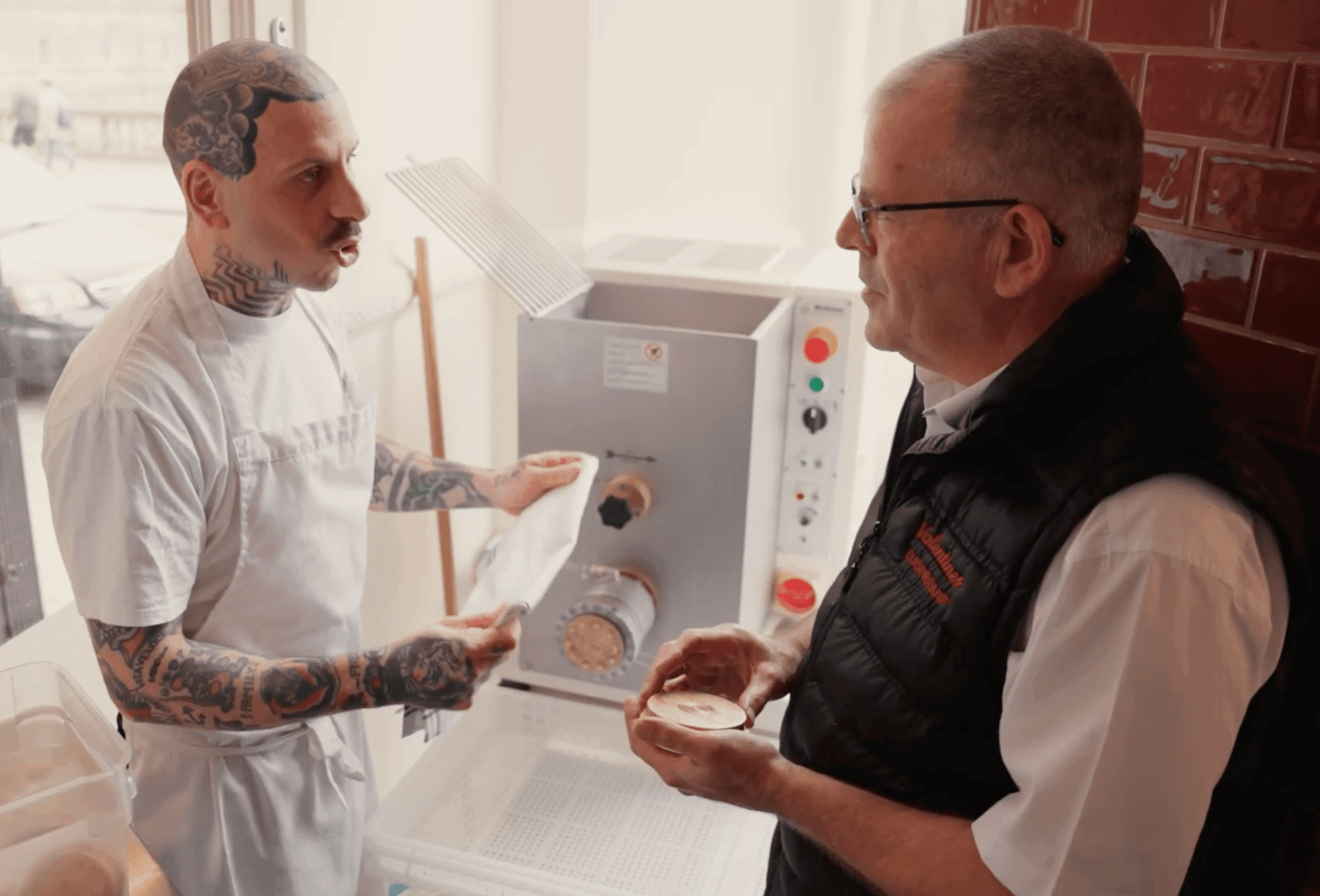
SOLINA BATH – Fresh Pasta, High Volume, No Reservations
Located in the heart of Bath, Solina has quickly established itself as one of the city’s most sought-after dining destinations. Renowned for its authentic, affordable fresh pasta, the restaurant operates a walk-in-only model with no reservations – a reflection of both its popularity and fast-paced service. On busy weekends, the team regularly serves more than 650 guests, with peak days approaching 700 covers.
At the heart of the operation is Head Pasta Maker Gianpiero Mugnano (GP), who produces around 50kg of fresh pasta every day using a Bottene pasta machine. With pasta cooking in as little as 60 seconds, speed, consistency and reliability are essential which is where the Valentine VMC pasta cooker delivers.
Find out why The Walcot Group chose Bottene and Valentine equipment from Valentine & Cuisinequip to support Solina’s efficiency during peak trading periods, the vital role reliable equipment plays in maintaining both the food quality and guest experience, and why Bottene and Valentine remain equipment of choice for future openings in Cardiff.
Watch the video case study here: https://youtu.be/WUrirMMVFiA
ceda’s Technical Support Group welcomes new member
News
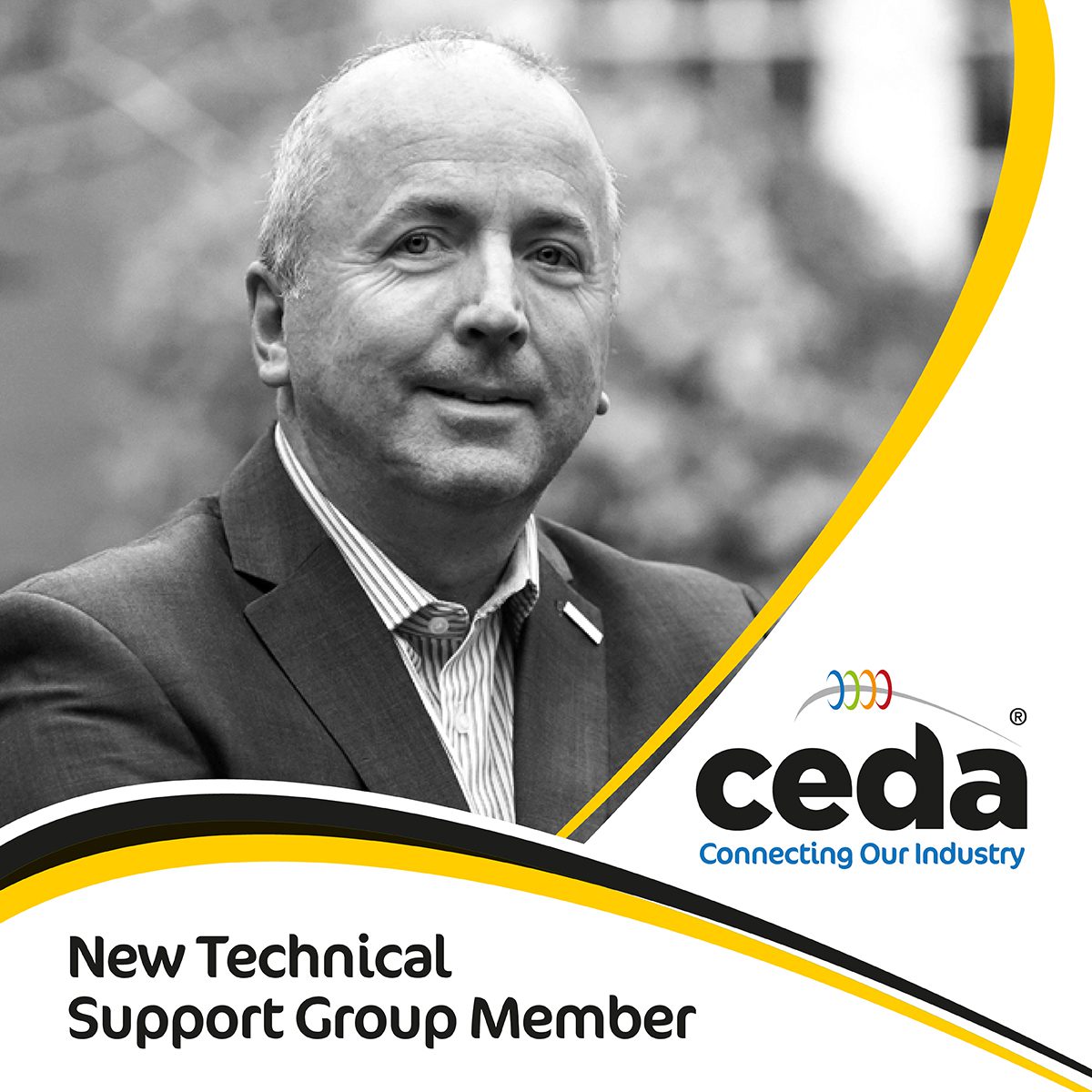
We are delighted to announce a new addition to our Technical Support Group (TSG) membership.
The TSG is one of the key elements of the organisation. It is made up of knowledgeable people from both ceda Members and Partners who have areas of experience and expertise that enable the group to address virtually any technical issue that may be seen as a problem for Members.
Andrew Threlfall, Technical Director at Pentland Wholesale brings over four decades of experience in the commercial refrigeration and catering industry. Throughout his career, he has played a pivotal role in shaping industry standards, representing the foodservice equipment sector at national and European levels through active participation in BSI and CEN committees.
Starting as an apprentice engineer and progressing to senior leadership, Andrew combines hands-on technical expertise with strategic vision. His qualifications include an HNC in Electrical and Electronic Engineering, City & Guilds certification in Electrical Wiring Regulations, commercial gas catering credentials, and C&G F-Gas certification which have all been maintained. Holding an Assessors Qualification, enables him to train and mentor future professionals.
Of joining the TSG Andrew said, “I’m passionate about advancing industry practices, and support innovation and the development of the next generation of engineers. Joining ceda’s TSG provides an opportunity for me to share my experience and knowledge and shape the future of the wider catering industry.”
Ben Hatherley, Chair of the TSG said of Andrew’s appointment, “I am looking forward to working with Andy on the ceda TSG, Andy has a wealth of knowledge that will be invaluable to the TSG and only strengthen our position within the industry as a lead technical advisory group and much more.”
In recent years the group has worked hard to produce many useful Guidance and Standard documents which are readily available to ceda Member engineers and teams working at the coal face of the industry via the new ceda4 App. There is also a library of training videos covering plumbing, electrical and gas requirements for site installation works. The Code of Practice document is a particular source of pride for the TSG. It gives clear guidance on the clarification of responsibilities relating to the electrical installation in a commercial kitchen. The new Electrical Standard initiative, launched at the recent ceda Conference, is the next project from the TSG. It is a fully accredited, industry developed electrical training programme.
The group usually holds four meetings each year, with two of them being open meetings.
Parts Town UK’s Latest Refrigeration Van Stock Catalogue Is Now Available
News
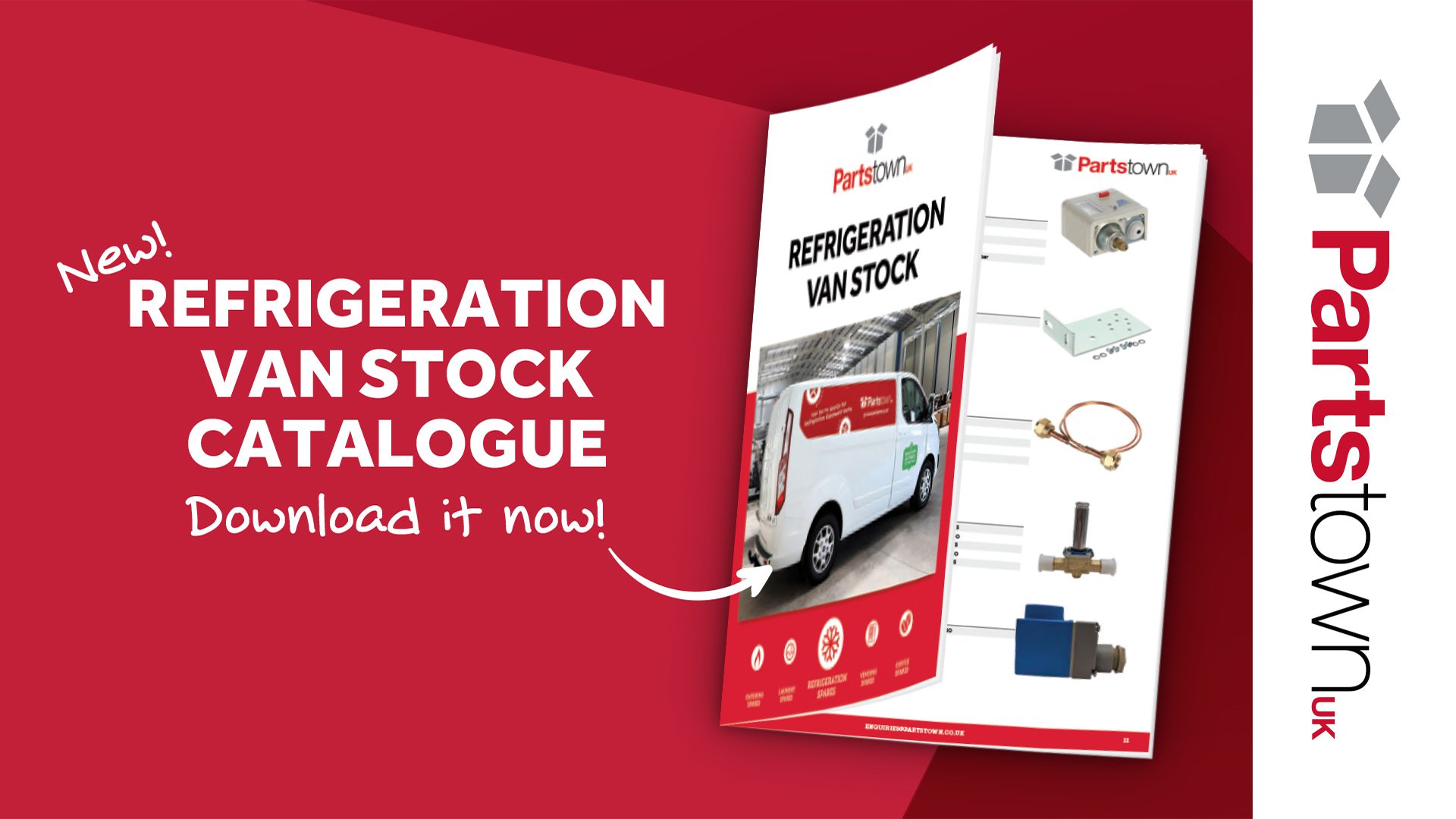
The newest edition of our Refrigeration Van Stock Catalogue is now available to download from our resources page. Designed with engineers and service teams in mind, this latest release brings together an expanded range of parts, accessories and consumables to help you stay prepared for every job.
Keeping your van properly stocked is essential for maintaining efficiency in the field. With the right components on hand, you can increase first-time fix rates, minimise delays and maximise equipment uptime. This updated catalogue has been built to support exactly that, giving you quick access to the products you rely on every day.
The latest catalogue features an extensive selection of refrigeration products, carefully curated to cover a wide range of applications and systems. You will find a broad choice of parts designed for durability and performance, alongside a full selection of controls including thermostats, sensors and regulators to support precise system operation. For cold room installations and repairs, the catalogue also includes a variety of walk-in hardware, providing dependable solutions for secure and efficient setups.
Our expanded electrical range ensures you can source essential wiring accessories and parts with ease, while the selection of fan motors and blades helps maintain airflow and system efficiency. In addition, the catalogue includes pumps and water management solutions, as well as reliable compressors from the industry’s most trusted manufacturers.
To support day-to-day work on site, there is also a wide range of tools and consumables, ensuring you have everything required to complete jobs efficiently without unnecessary delays.
As well as the brand-new catalogue, Parts Town UK have numerous benefits for their customers including access to the UK’s largest range of refrigeration parts and accessories from leading industry brands. Orders placed before 7pm for in-stock items are eligible for same-day dispatch, helping you get what you need without interruption. Our transactional website and mobile app allow you to place orders at any time, giving you complete flexibility whether you are planning ahead or responding to urgent requirements. In addition, a wide range of product resources are available, including 360-degree images, technical diagrams and exploded drawings to support accurate identification and installation.
For further assistance, our dedicated refrigeration customer experience team is available to provide technical support via our WhatsApp channel on +44 7496 716651.
The latest Refrigeration Van Stock Catalogue is available now. Visit our resources page at www.partstown.co.uk/resources/ to download your copy and start exploring the full range of products available at www.partstown.co.uk/shop-by-category/van-stocks/refrigeration.
Adande MD Karl Hodgson Talks Quality, Refrigeration & Industry Pressures on Kitchen Curiosity Podcast
News
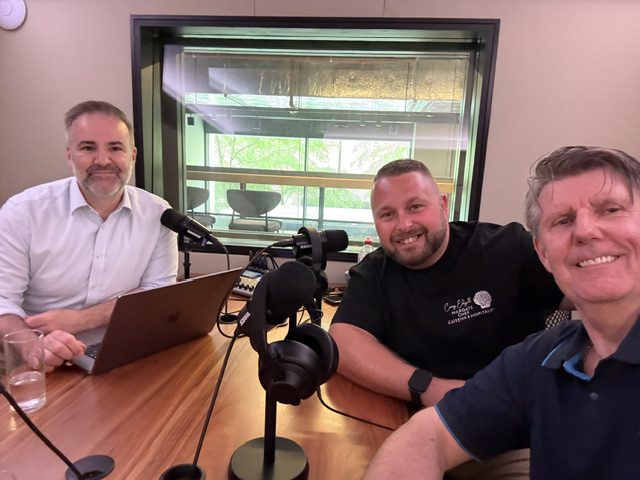
Adande Refrigeration’s Managing Director Karl Hodgson is back behind the mic as he features on the Kitchen Curiosity podcast again, hosted by Radford Chancellor, alongside award-winning chef Craig Edgell (the Margate Chef).
The episode, Why Quality Matters with Adande and The Margate Chef, explores the real pressures facing hospitality today and what genuinely sets quality equipment and quality cooking apart.
Drawing on 35 years of industry experience, Karl discusses how Adande’s drawer refrigeration technology helps operators tackle some of the sector’s biggest challenges, including energy costs, food waste, labour shortages and consistency. He explains how Adande’s patented insulated container design and fan-free, gravity-fed system protect food quality and moisture, while keeping running costs remarkably low, as little as 12 pence to run a drawer for 24 hours.
Craig Edgell shares his own journey, from 25 years in Kent’s top kitchens to launching his own catering and hospitality business, alongside his approach to food, service and standing out in a tough market.
The episode is available to listen to on Apple Podcasts, Spotify, Amazon and online here: kitchencuriosity.co.uk
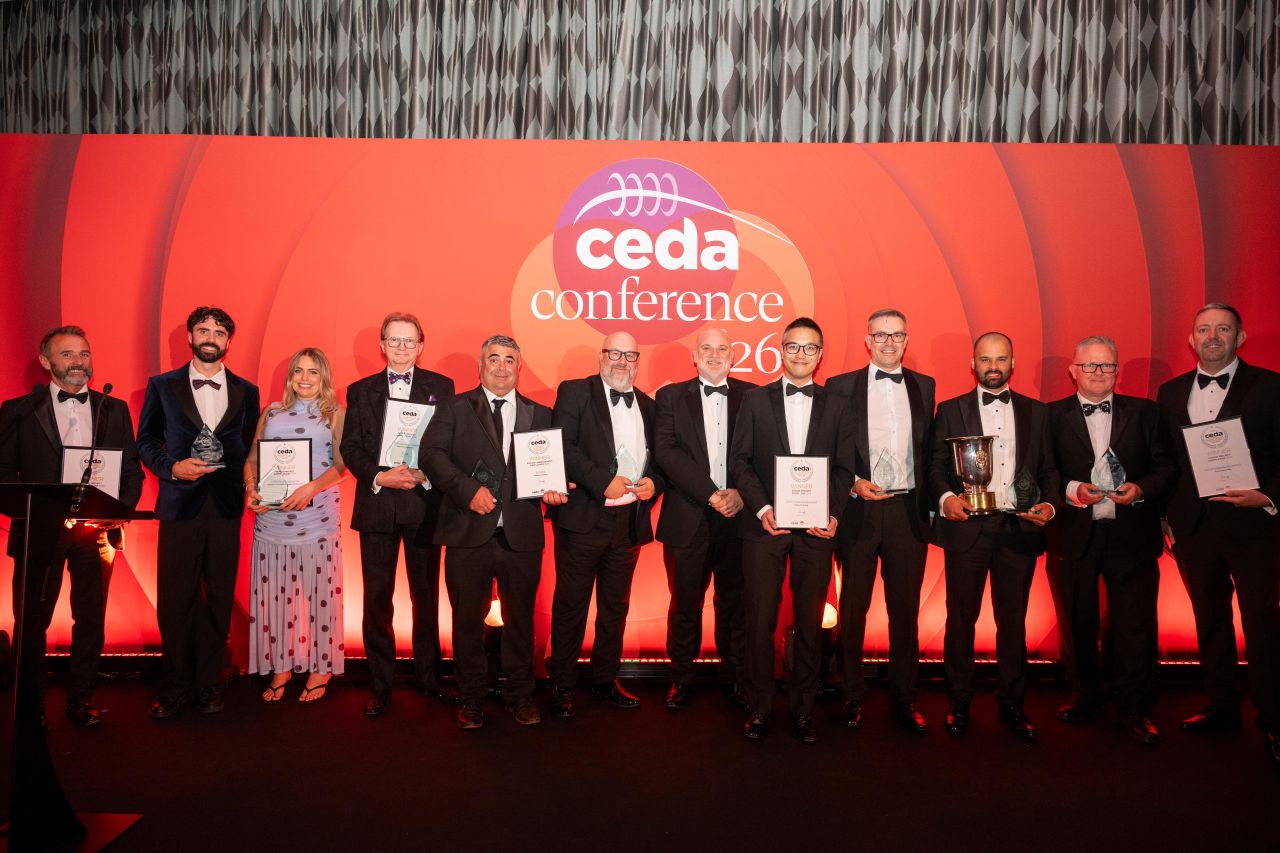
ceda Grand Prix Award Winners 2026
News
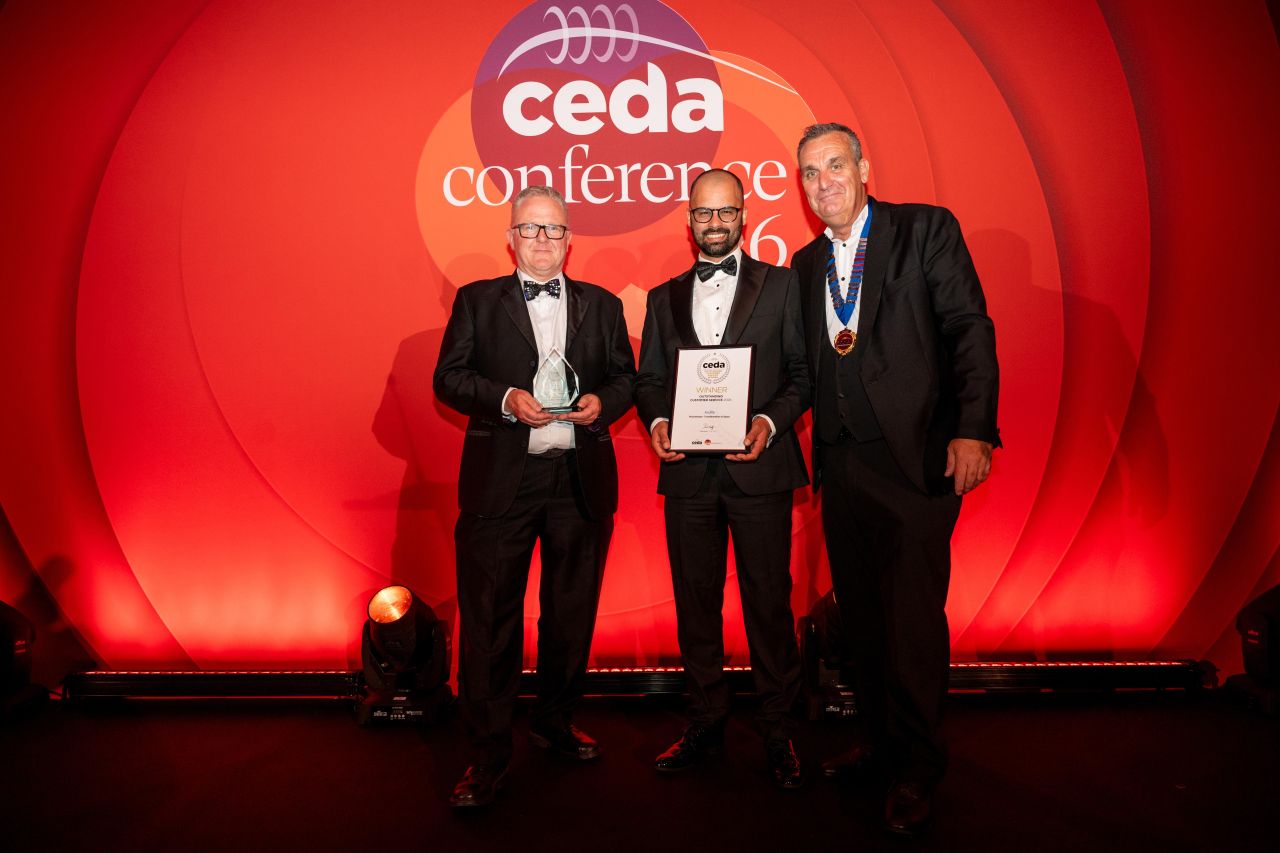
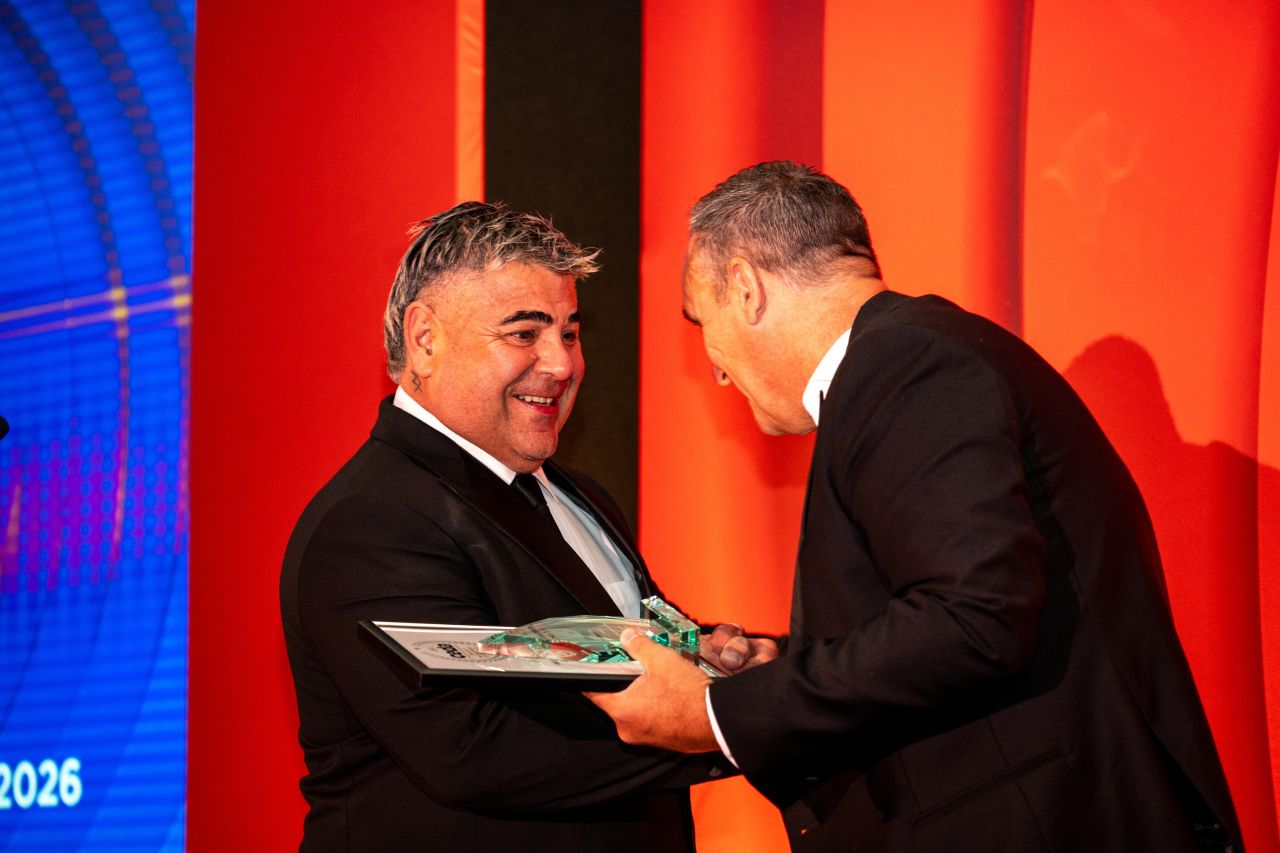
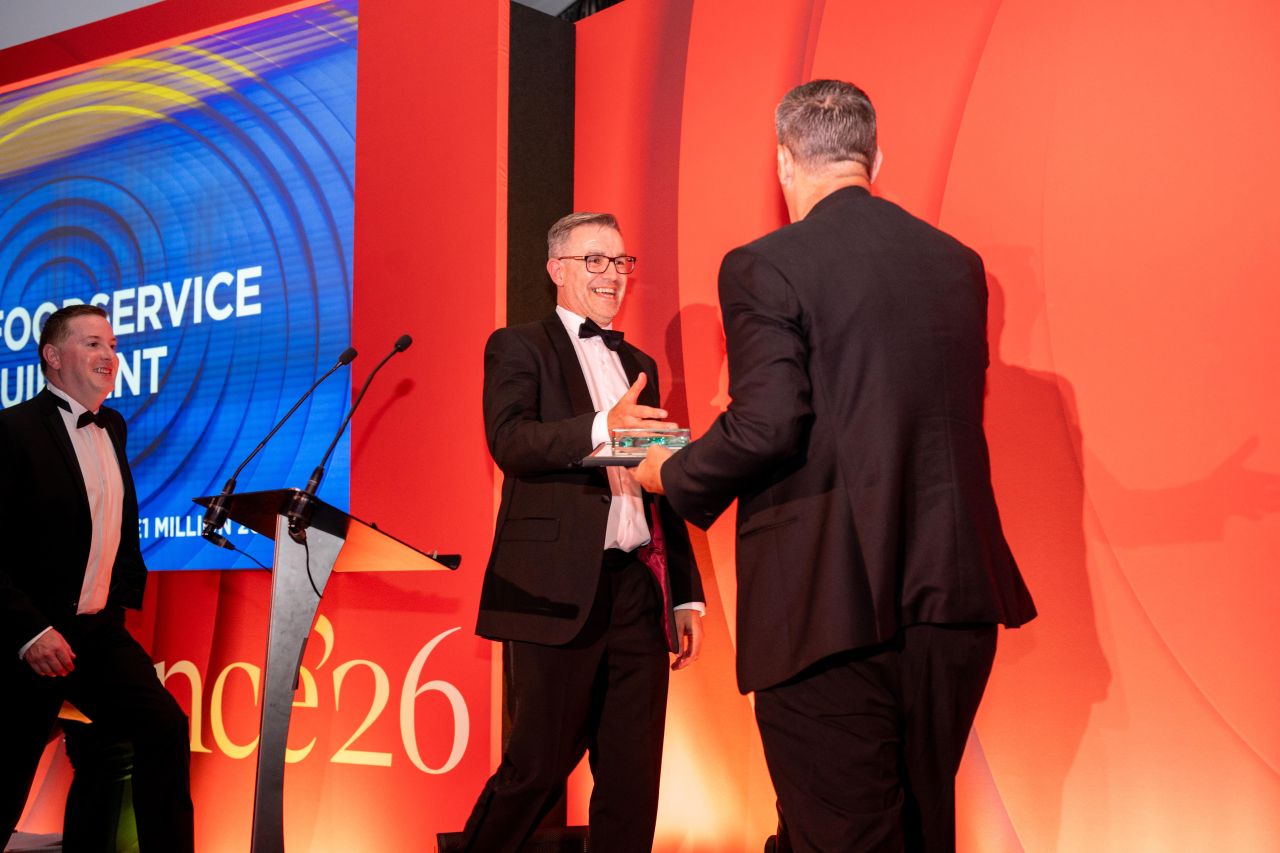
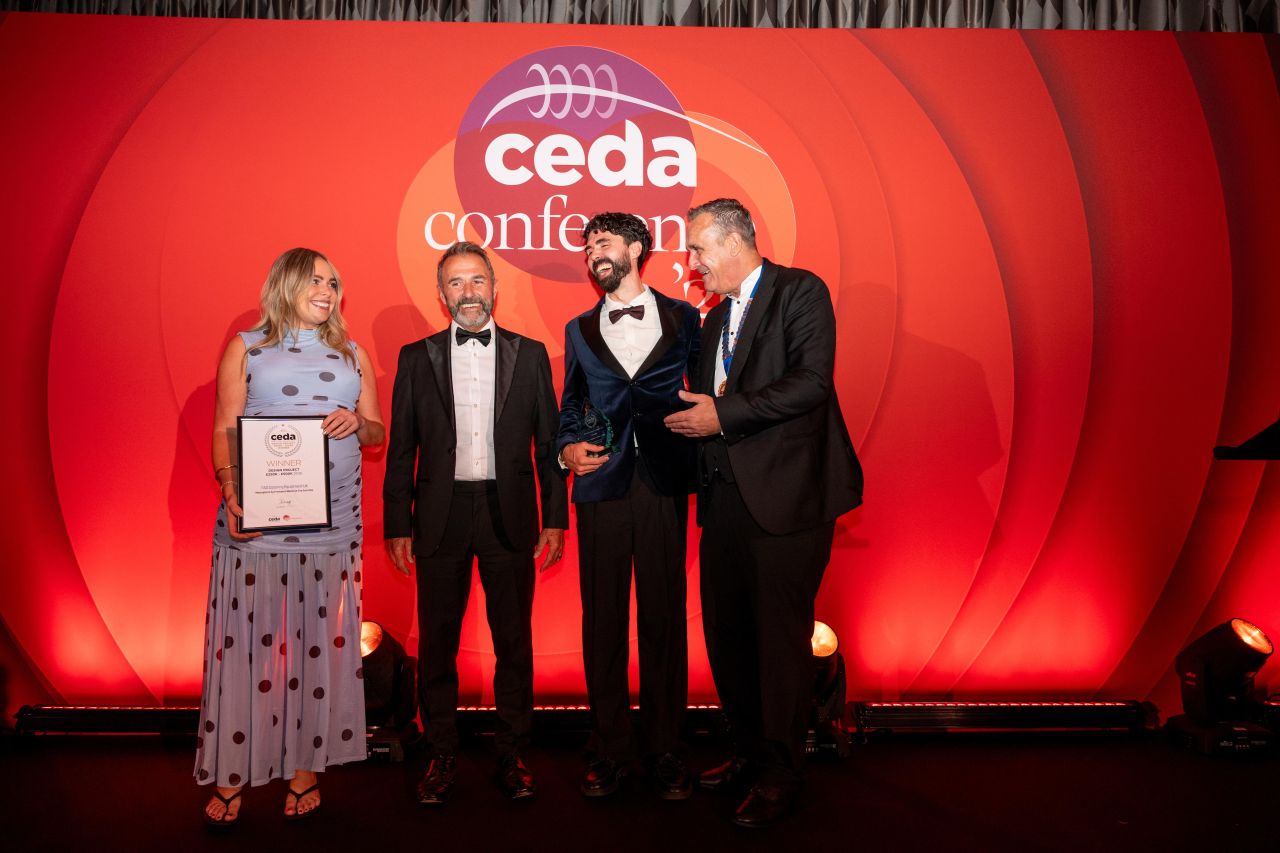
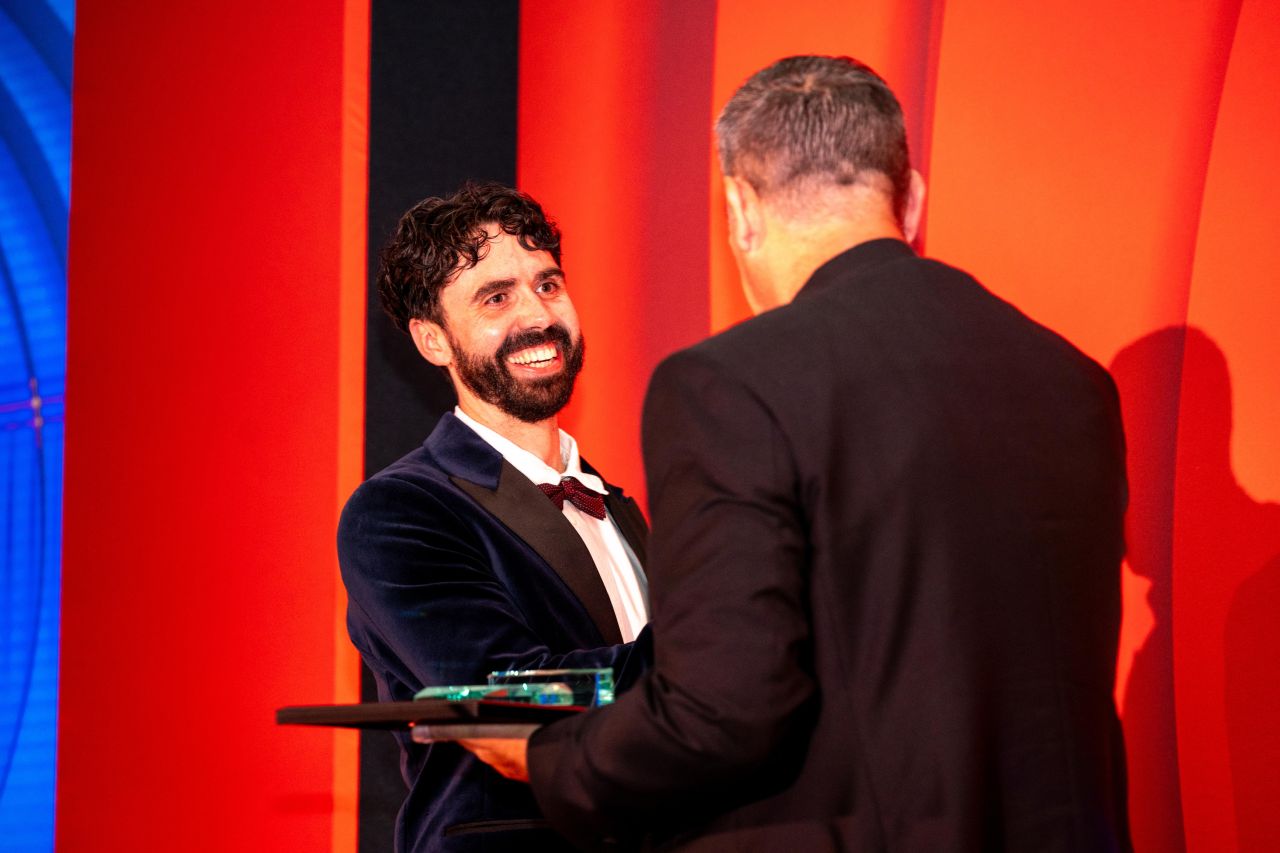
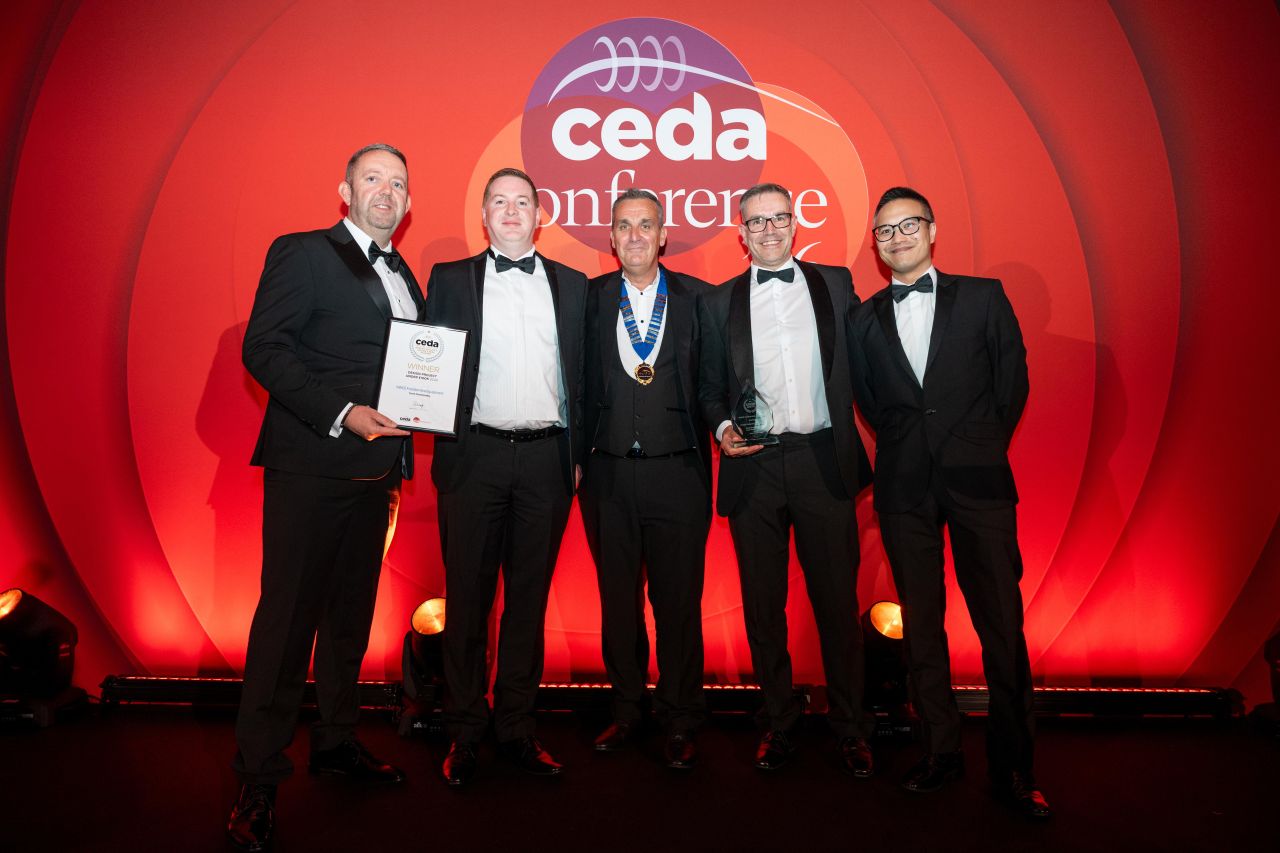
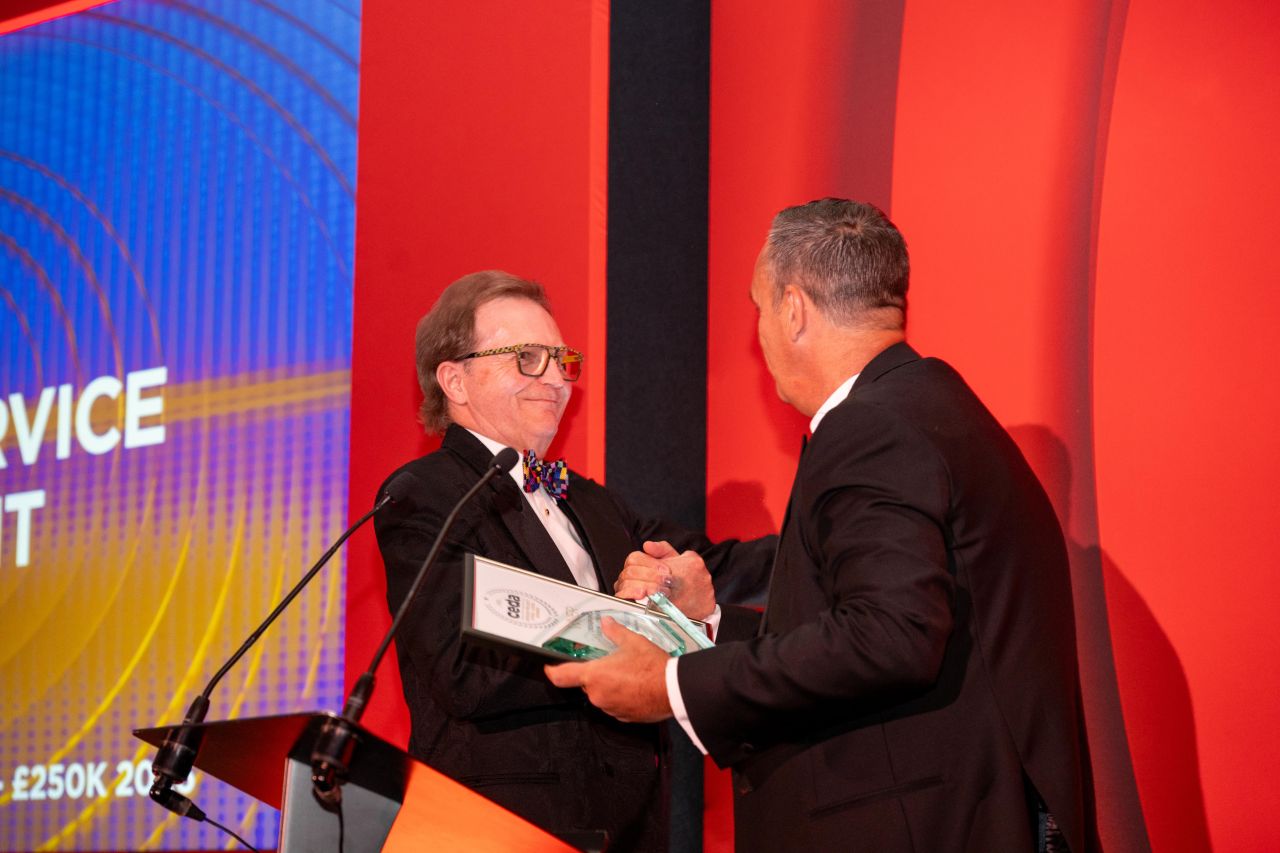
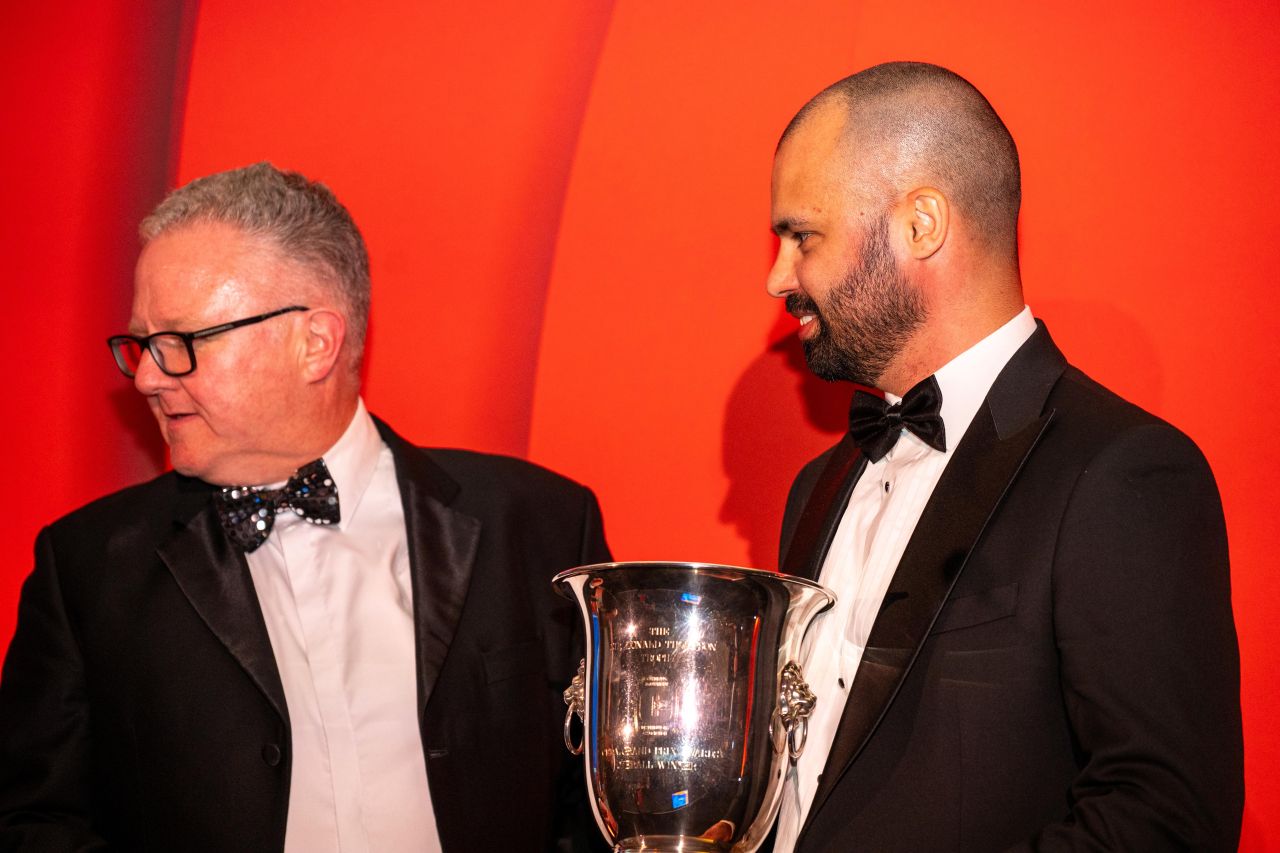
Last night (Tuesday 16th June 2026), as part of the annual ceda Conference, the winners of this year’s Grand Prix Awards were crowned.
The ceremony and gala dinner, held at Hilton St George’s Park, saw an array of outstanding projects nominated and awarded. Schemes of all sizes and scales were celebrated, as well as those for dedication to customer service and project management.
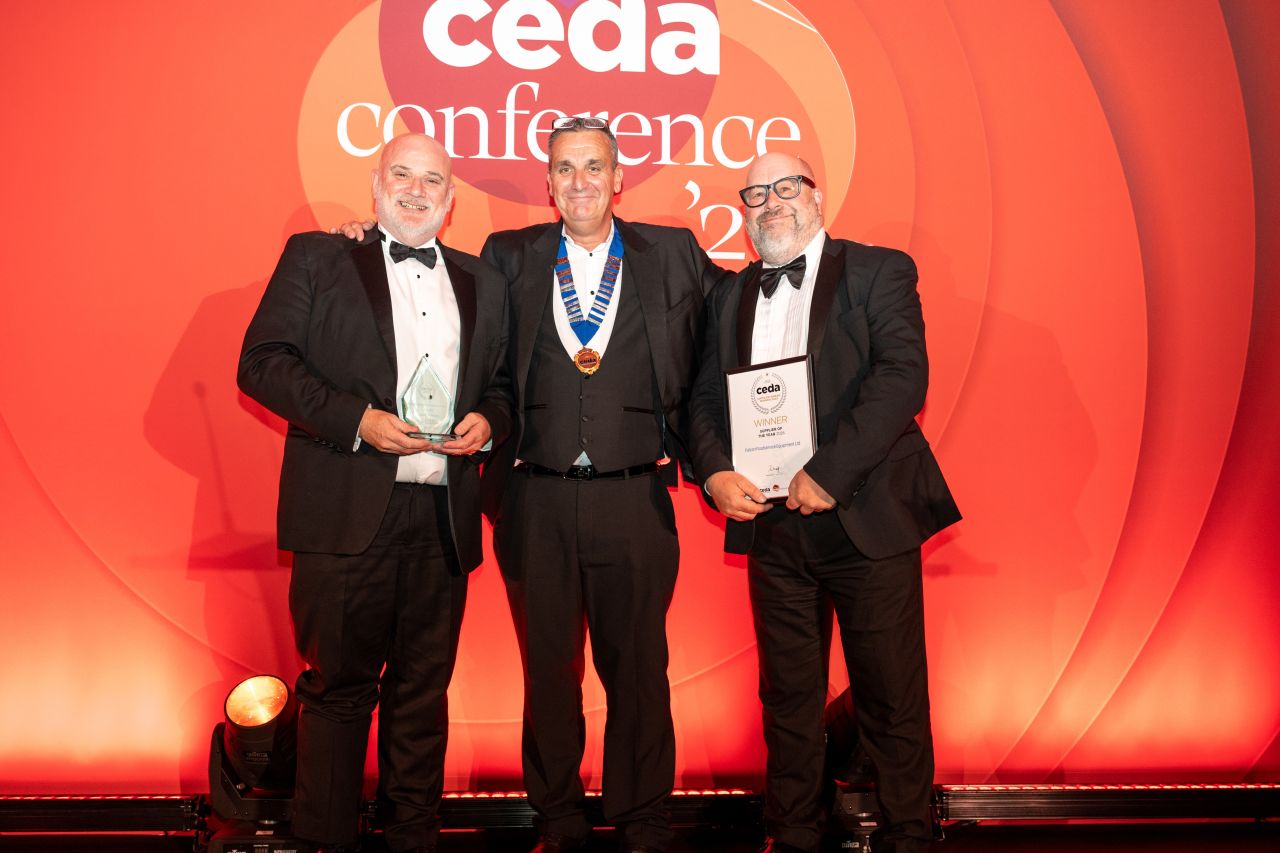
As is now customary, the evening began with the Supplier of the Year accolade (voted for by ceda members), and cumulated in the coverted Sir Donald Thompson Cup Overall Winner trophy.
Congratulations to all the winners!
(Click on the buttons to learn more about each project)
Supplier of the Year:
Falcon Foodservice Equipment Ltd
Design Project Under £100K:
NWCE Foodservice Equipment
Design Project £100K – £250K:
CNG Foodservice Equipment
Design Project £250K – £500K:
TAG Catering Equipment UK
Design Project £500K – £1M:
NWCE Foodservice Equipment
Design Project Over £1M:
TAG Catering Equipment UK
Outstanding Customer Service:
Arolite
Project Management Excellence:
GS Group
Sir Donald Thompson Cup:
Arolite for Picturehouse – Transformation of space