
























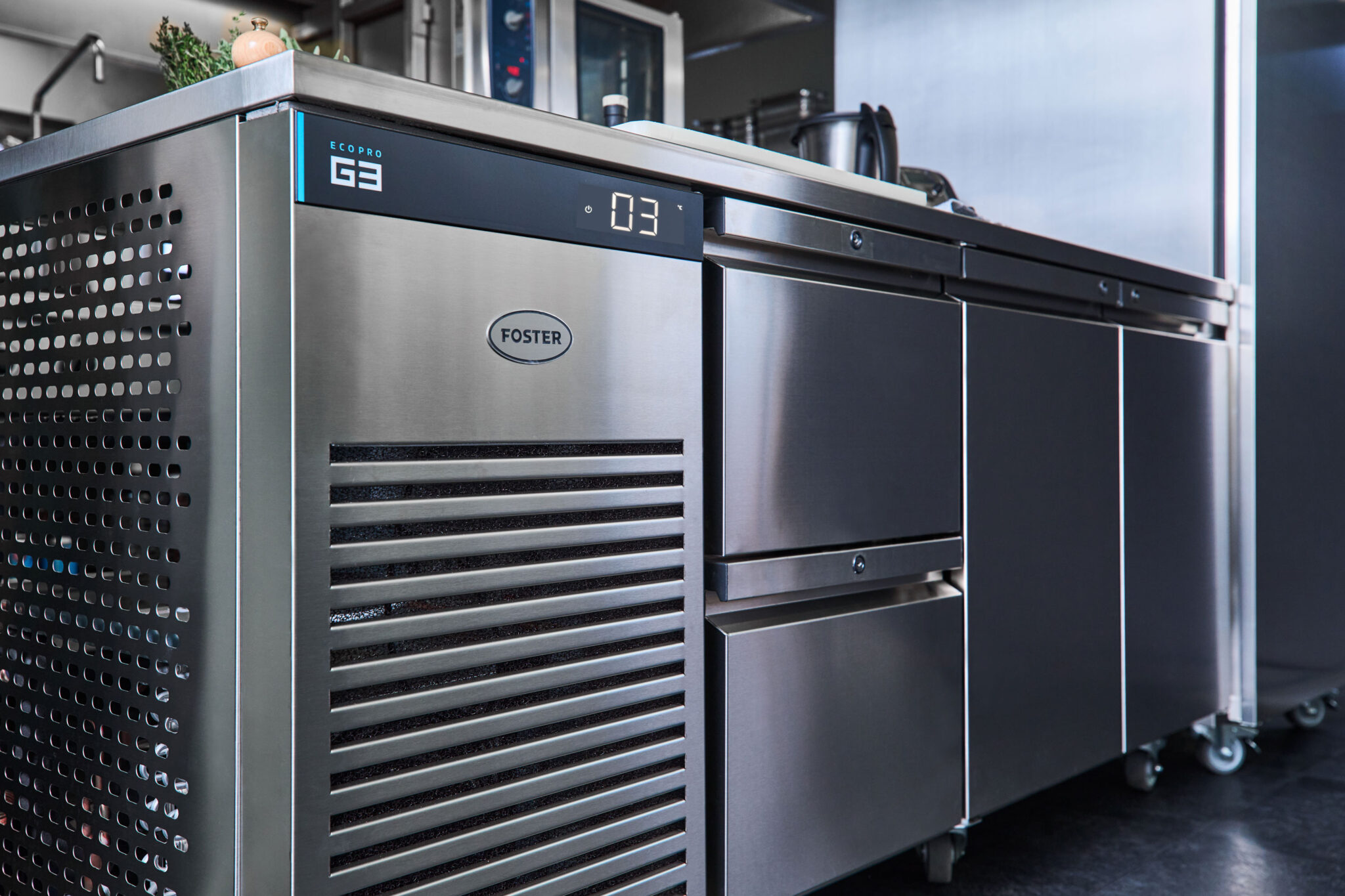
Foster G3 Counter upgrade
News
Our latest G3 Counter updates have been designed to deliver the best performance, reliability, and long-term durability for operators, while maintaining the highest quality expected from Foster products. Energy reductions, cost savings and reduction in maintenance issues are all benefits of these latest product developments.
Key enhancements include an improved drawer slide system for smoother, more reliable operation, alongside redesigned internal liner components that have ensured overall build consistency and product quality reducing downtime due to maintenance issues.
The updated thermal break construction improves the counter’s integrity and thermal efficiency. For operators, this means enhanced day-to-day usability, better product protection in terms of storage temperature, and a reduction in maintenance concerns – resulting in cost savings! In addition, the introduction of bio-based PVC materials supports a lower overall product carbon footprint, helping customers make more sustainable equipment choices without compromising on performance and reliability.
Manufacturing processes have also been streamlined to maintain assembly accuracy and consistency, ensuring customers continue to receive reliable, high-quality refrigeration built for demanding commercial kitchens where quality and reliability are the key ingredients.

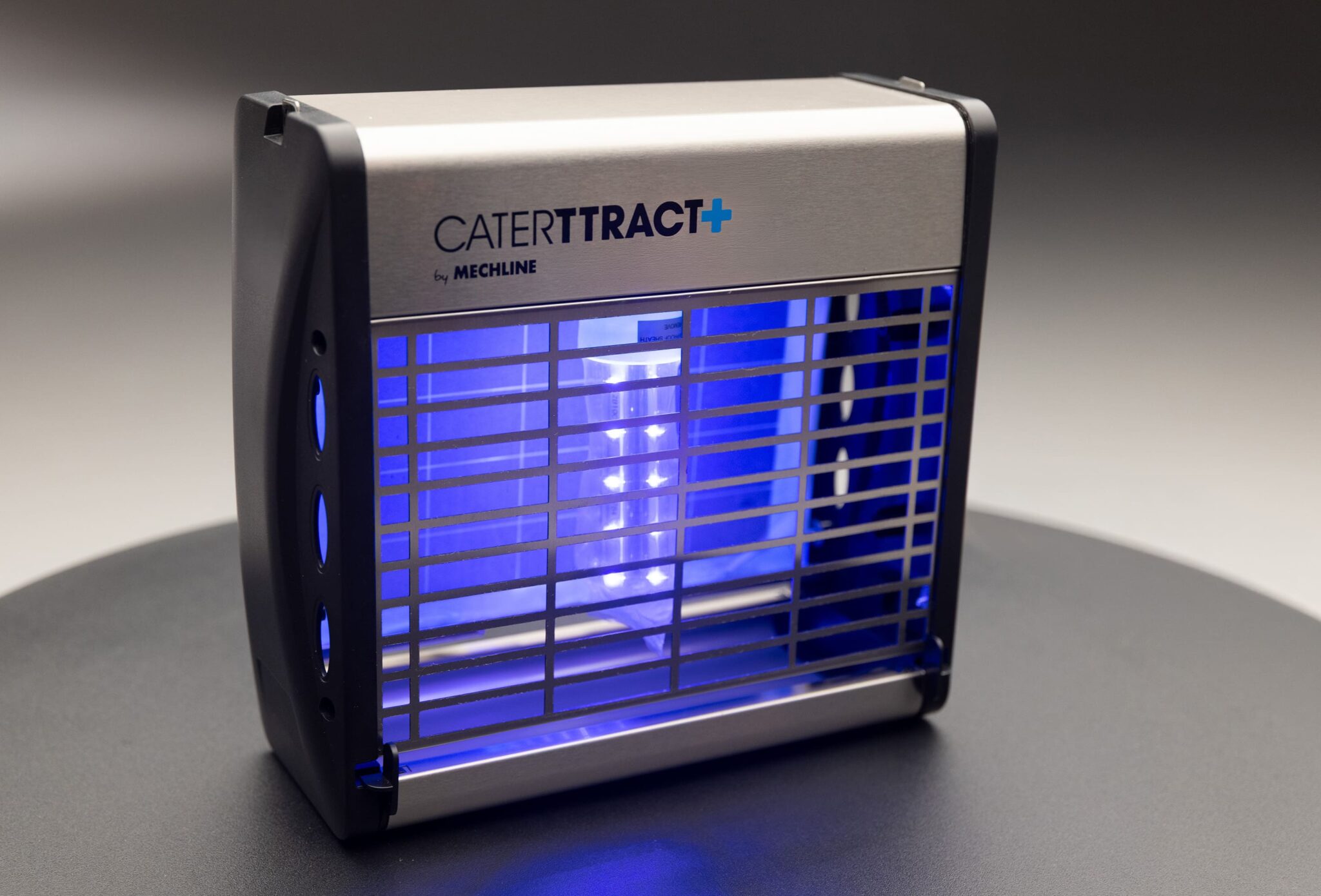
Mechline calculate their CaterTTract+ model to be 5 times more energy efficient than competitor models
News
British catering and hospitality equipment manufacturer, Mechline Developments, is encouraging operators to ‘sweat the small stuff’ when it comes to slashing energy costs. The company’s messaging on this subject is being fuelled by new calculations which reveal that their CaterTTract+ glue board fly killer model is 5 times more efficient than a competitor model*.
This level of efficiency makes Mechline’s CaterTTract+ models one of the cheapest to run on the market, coming in at just £12.58 per year*. This is largely achieved thanks to the use of advanced LED lamps which use 50% less energy and last twice as long as a typical UV lamp.
Mechline’s Market Development Director, Gary Thacker, shares his perspective on how these savings can make a big impact, quickly:
“When it comes to methods for energy-saving, operators tend to first focus on heavy appliances. Granted, swapping out a combi or grill for a more efficient model can have a tremendous impact on ongoing energy usage ongoing, but it is sometimes unrealistic or financially unattainable for an operator to make such a sizeable investment off-the-cuff. With a fly killer however, it’s far more affordable to swap-out, but still has significant impact on running costs, especially when you consider that most kitchens will require multiple units for different areas have this be in a food prep area, dining room or the main area of the kitchen.”
Mechline’s electric grid CaterZap+ models also represent leading standards for energy efficiency in the category with a 42% saving against competitor models.
To further support operators that want to reap these energy saving benefits, Mechline is currently running a limited-time promotional offer that gives customers 60% off the list price when they buy 4 or more CaterTTract+ models. Likewise, operators can receive 50% off CaterZap+ models when 4 or more are purchase.
To redeem this offer, simply visit www.mechline.com , add the products to your basket and enter the code FLYKILLERS26 at the checkout stage. T&C’s apply.
To find out more on Mechline Developments range of Fly Killers, or their current promotion, www.mechline.com/offer-terms/
Savings are based on a 9 hour day, 7 day week, £0.24 cost per kwh against a comparable glueboard model available to the market. To gain access to the spreadsheet of calculations, please email marketing@mechline.com
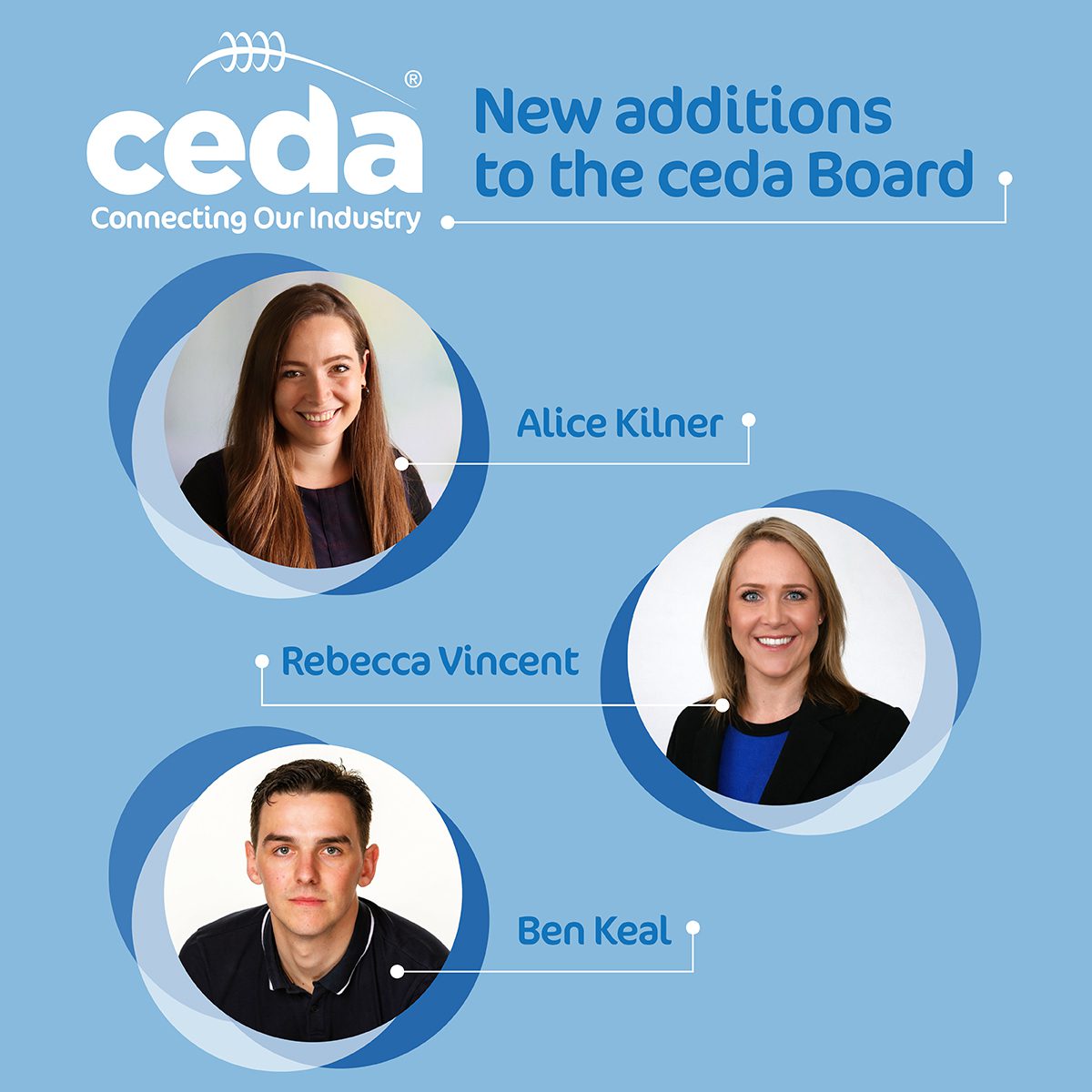
Trio of ceda Board Appointments
News
We have appointed three new Board Members, in advance of the launch of our latest development plan at Conference next month.
ceda Chair, Paul Neville, commenting on these new appointments explained, “We have an exciting development plan for the next five years that will be launched at Conference and at its heart is the coming together of diverse expertise, knowledge and ideas from all areas of the supply-chain in order to best face the challenges and embrace the opportunities that exist. I’m really happy with the appointments and these are the first three of a number of additions that we will see in the near future.”
Alice Kilner, Group Sustainability Manager of Gratte Brothers Group and Rebecca Vincent, Commercial Director of Foster-Gamko become co-opted Board members and Ben Keal, Director of Sylvester Keal, becomes a Director of the association.
Alice Kilner commented, “I’m delighted to be joining the ceda Board and contributing to an organisation that plays such an important role in shaping our sector. I’m keen to help demystify sustainability and promote a really positive, solutions-focused narrative-supporting businesses to see it as an opportunity for innovation and growth.”
Rebecca Vincent said, “I’m delighted to join the ceda Board as a co‑opted member, and to contribute to a broader, end‑to‑end industry perspective. As a manufacturer, I’m passionate about ensuring both member and manufacturer voices contribute meaningfully to the direction of the sector. It is our responsibility to support progress in areas such as sustainability and helping members stay ahead of evolving legislation. I see real potential to strengthen innovation and collaboration across the supply chain, helping to raise standards and deliver long‑term value for both the industry and its customers.
A personal priority for me is the recognition, development and progression of young people and early‑career professionals – the future leaders of our industry. I believe there is a real opportunity to champion emerging talent. Alongside that, I’m keen to support inclusive cultures that prioritise wellbeing and help people thrive”
And Ben Keal added, “The catering equipment industry is in a better place than it’s ever been when it comes to bringing younger people through, being invited to join the ceda Board is something I’m incredibly proud of. ceda has been a huge support to me throughout my career and I’m looking forward to giving something back.
That means building proper routes in technical training that’s credible and accessible, combined with real leadership development so that the people we bring through don’t just become good engineers, designers or coordinators, they become the future managers and directors this industry needs. We have a chance to make this a career people actively choose, not just fall into. That’s what I want to work towards.
Beyond that, I’m looking forward to sharing the knowledge and experience I’ve built across the industry to help ceda continue to grow and support its members.”
ceda Director General, Adam Mason, confirmed, “Having worked closely with Alice, Rebecca and Ben on different projects over the last few years, I know how passionate they are about seeing positive change in the Industry. The development of young people, sustainability and closer engagement with the supply-chain are all critical factors to address and all three will bring unique opinion, experience and energy to what we are trying to achieve.”




True Refrigeration Extends Warranty to 7 Years Across Europe, UK and Ireland
True Refrigeration Extends Warranty to 7 Years Across Europe, UK and Ireland
True Refrigeration has announced the extension of its standard warranty from 5 to 7 years across Europe, the UK and Ireland, reinforcing the company’s long-standing commitment to quality, reliability, and customer confidence.
The new 7-year warranty covers parts, labour, and compressors across all products supplied in the region, making True the only company in Europe, the UK and Ireland currently offering this level of warranty support.
For more than 80 years, True Refrigeration has built its reputation on manufacturing durable, high-performance refrigeration equipment designed to operate in demanding foodservice, retail, hospitality, and healthcare environments. The extended warranty reflects the confidence the company places in the longevity and performance of its products.
The company’s refrigeration solutions are trusted across multiple sectors, from fast-paced food preparation environments and hospitality operations to high-volume retail settings where reliable temperature performance and product presentation are essential.
To learn more about True Refrigeration, its product ranges, and the new 7-Year Warranty, please visit truerefrigeration.co.uk

Adande Refrigeration Named Company of the Year by the Craft Guild of Chefs
Adande Refrigeration Named Company of the Year by the Craft Guild of Chefs
Adande Refrigeration has been awarded Company of the Year at the Craft Guild of Chefs Annual General Meeting Honours and Awards and it’s a recognition that carries real weight in the culinary world.
For those unfamiliar, the Craft Guild of Chefs is the largest and most respected chef association in the UK, representing culinary professionals at every level.
The Company of the Year award is presented to business partners who have demonstrated significant support and meaningful involvement with the Craft Guild over the past year. Adande’s relationship with the organisation runs deeper than most, beyond the Craft Guild-approved logo now regularly spotted on Adande units in professional kitchens across the country; the partnership extends to full product-approved status and sponsorship of the membership card for new Craft Guild members. A tangible and ongoing commitment to supporting the next generation of culinary talent entering the profession.
The nomination was put forward by Andrew Green, who championed Adande’s refrigerated drawers for their outstanding performance and sustainability credentials; qualities that resonate strongly with today’s forward-thinking kitchen operators.
To be nominated by someone who believes in the product and is recognised by an organisation that commands such respect across the culinary industry makes this a particularly meaningful moment for the Adande team.
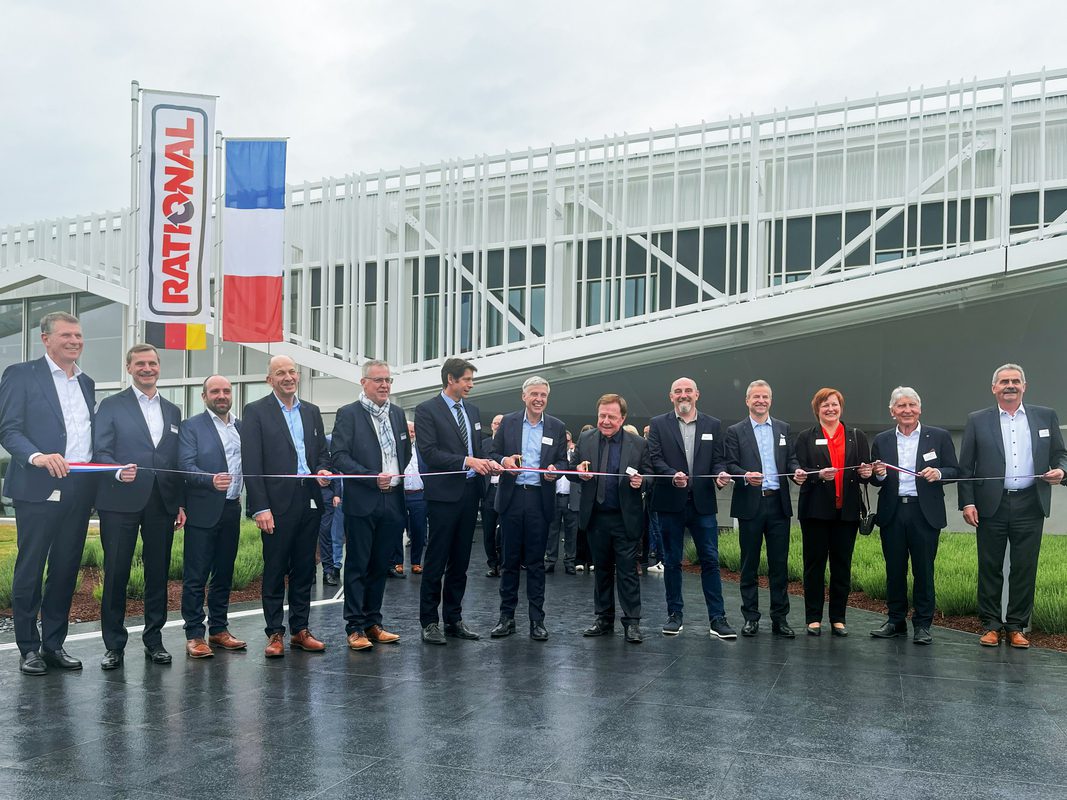
A new home for the iVario: Rational expands site in Wittenheim
News
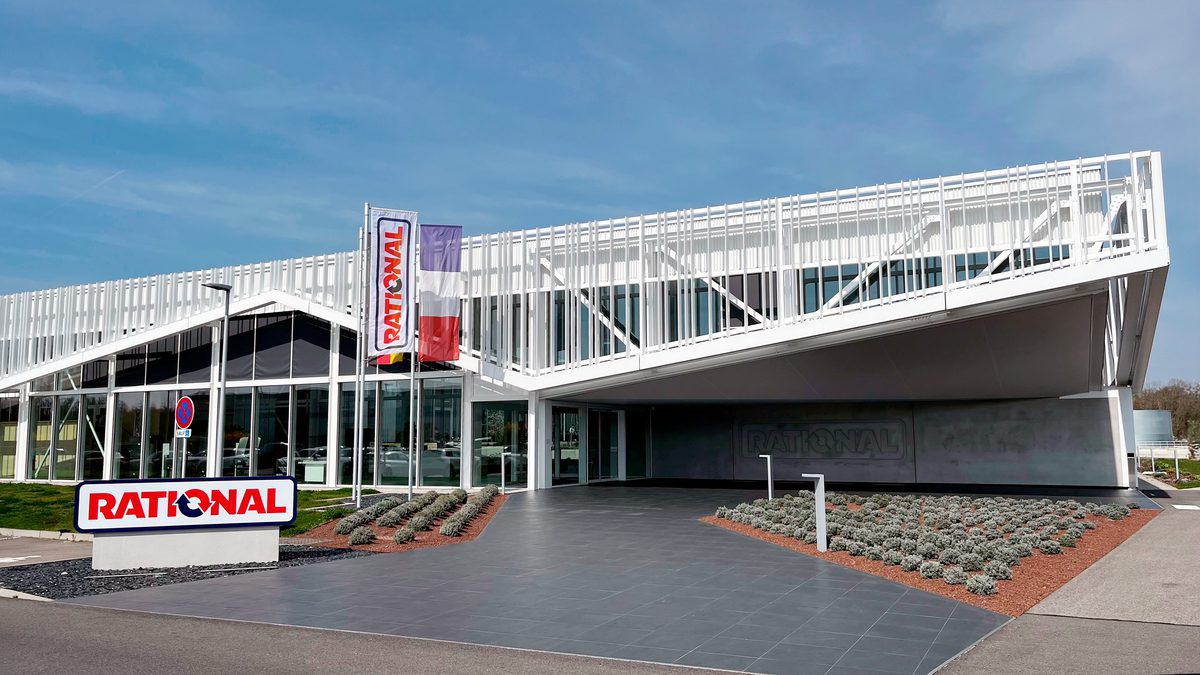
On 5 May 2026, Rational officially opened the extension to its plant in Wittenheim, France. With its production area now doubled, the “RATIONAL iVario Business Centre” has increased its capacity for the iVario Pro cooking system and now offers modern workspaces and a spacious Customer Experience Centre for customers and partners.
The iVario Pro and its predecessor models have been developed and produced at the Wittenheim site for over 20 years. From here, Rational supplies appliances and accessories to over 120 countries worldwide – with great success: whilst around 500 cooking systems were produced in 2005, this figure had risen to over 10,000 by 2025. “With the new building, we are laying the foundations to meet the growing global demand in the long term,” says Thomas Hoch, Chief Product Officer iVario. The new plant will increase potential production capacity to 25,000 units per year. The building’s design also allows for expansion to over 75,000 units per year in the future.
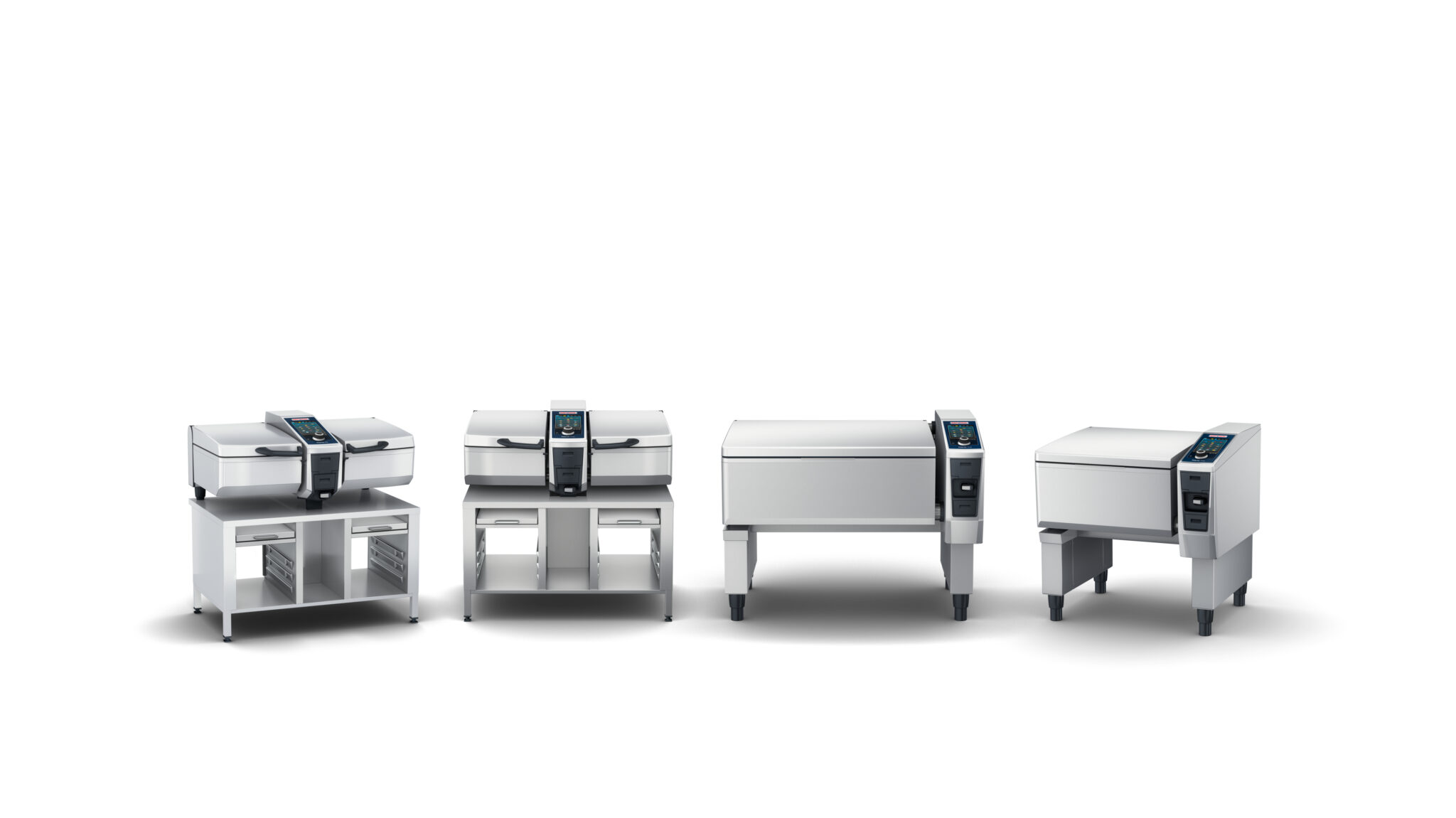
Alongside the combi oven, the iVario Pro is one of the world market leader’s core technologies. While the iCombi Pro and iHexagon are manufactured at the main site in southern Germany, Wittenheim serves as a centre of expertise for contact heating technology. The new building and the investment of €35 million underline the growing strategic importance of the iVario Pro, creating the appropriate structural foundation in the process.
As a result, the site now encompasses the entire iVario value chain, from market and customer development to production and worldwide delivery. Alongside a production area spanning around 10,000 square metres, the new building houses a spacious Customer Experience Centre comprising three training centres where cooking demonstrations, training courses, and events for customers and partners are held. The site also features a modern staff restaurant and around 1,500 square metres of office space with bright, ergonomic workstations. Wittenheim is also home to the headquarters of Rational’s French sales company. Around 270 people from 11 countries work here in total, reflecting the company’s international focus.
Rational placed great emphasis on energy efficiency and a sustainable building concept in the new building. A highly insulated, material-efficient steel structure forms the basis for energy-optimised operation. A heat pump handles heating and cooling, while an intelligent, daylight-dependent LED lighting control system with separate lighting zones reduces energy consumption further. This is complemented by a photovoltaic system designed to cover 25% of the current annual electricity consumption.
“The new building is an important milestone for the team in Wittenheim,” says Hoch. “It creates modern working conditions and underlines the importance of the iVario within the Rational product portfolio. It also lays the foundation for us to continue supplying professional kitchens with the best possible solutions in the future.”
For more information, go to rational-online.com
How RATIONAL Helps Milestone Deliver Destination Quality Food Every Day
News
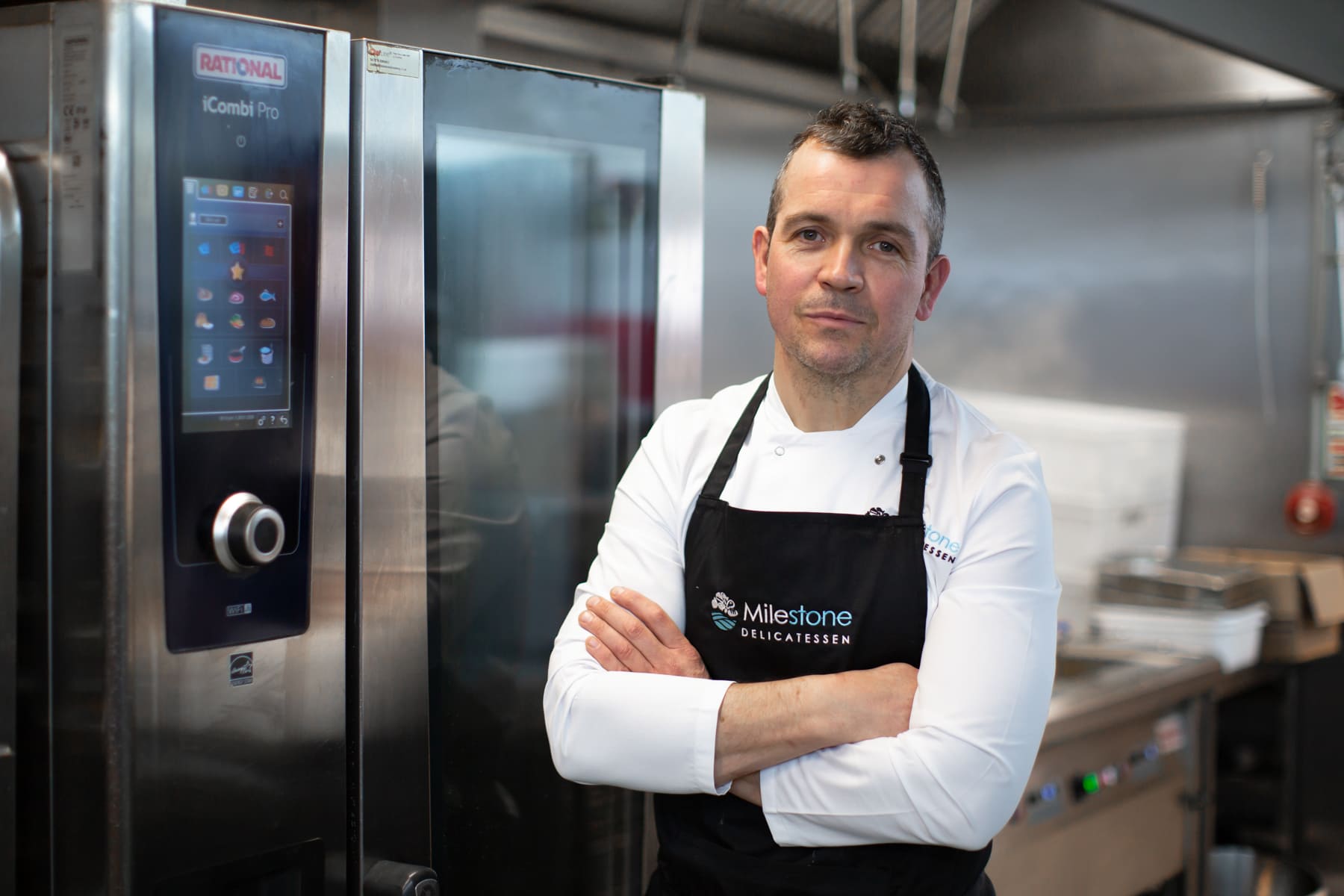
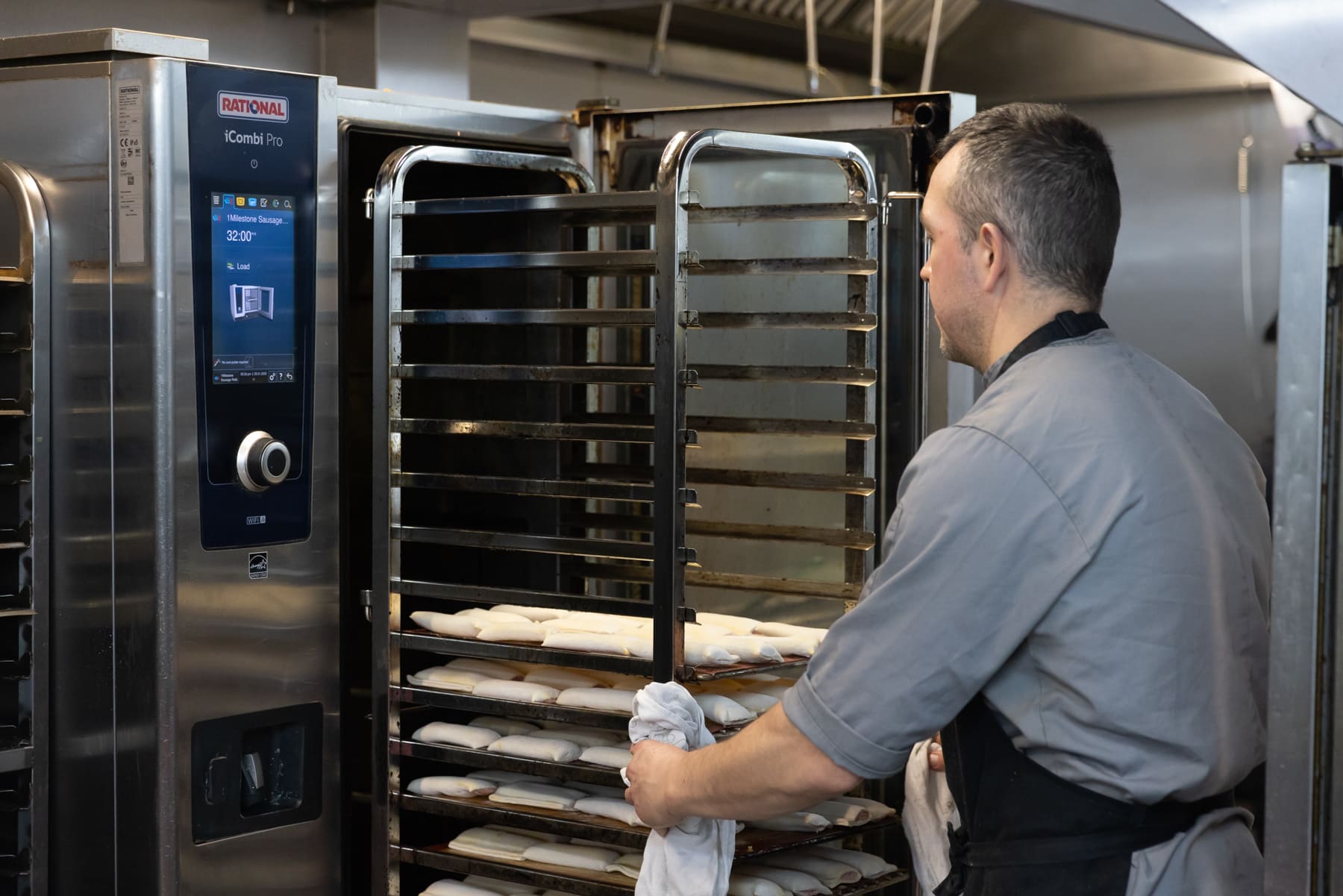
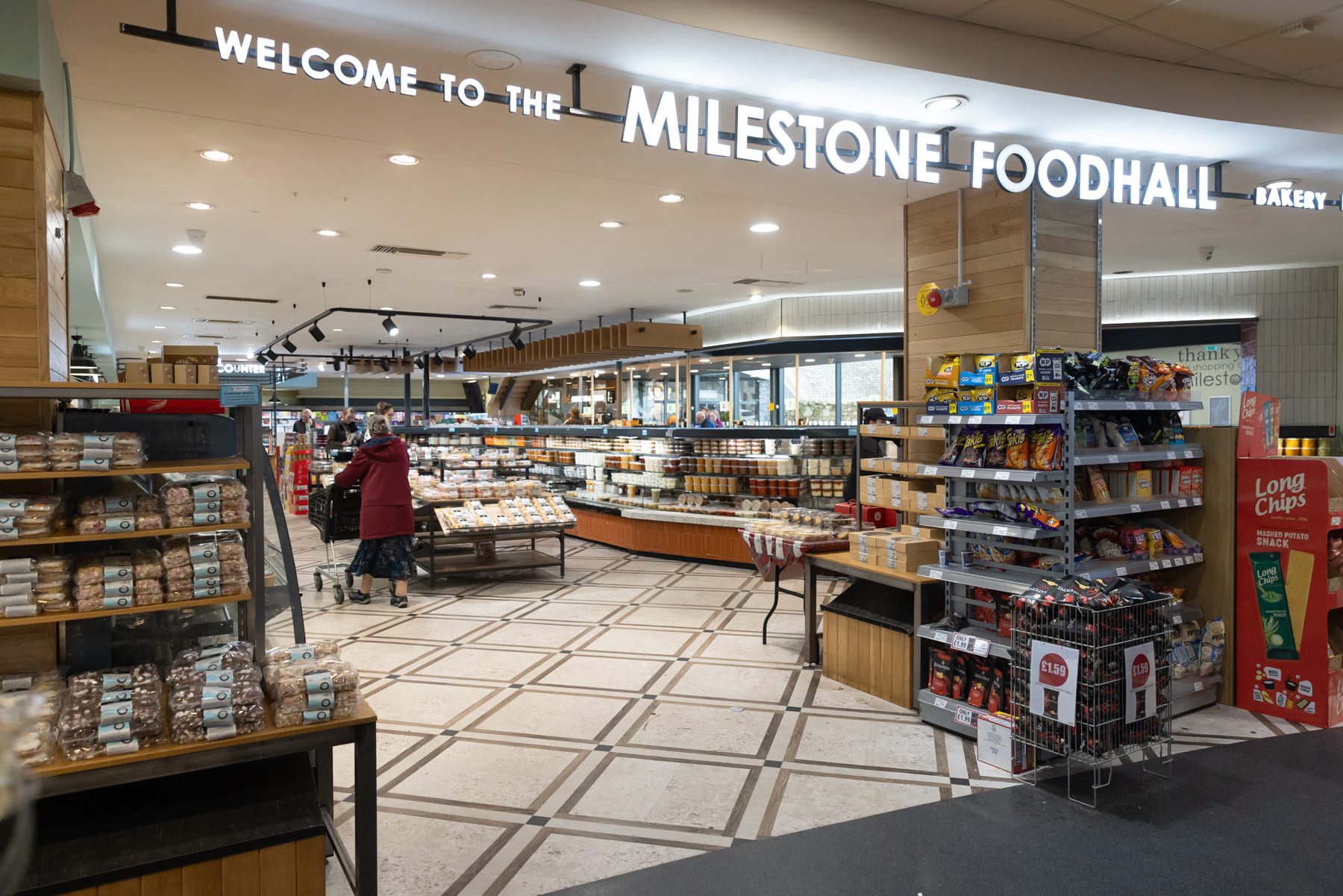
Milestone Rathfriland has evolved far beyond its origins as a small supermarket. Today, with its award-winning Food Hall, Loft 56 bistro and Milestone Kitchen café in Newry, it has become a true destination for fresh, homemade and consistent food. At the centre of this operation is Executive Chef Cathal Grant, whose team produces up to a thousand items daily using the Rational iVario advanced bratt pan and iCombi Pro cooking systems.
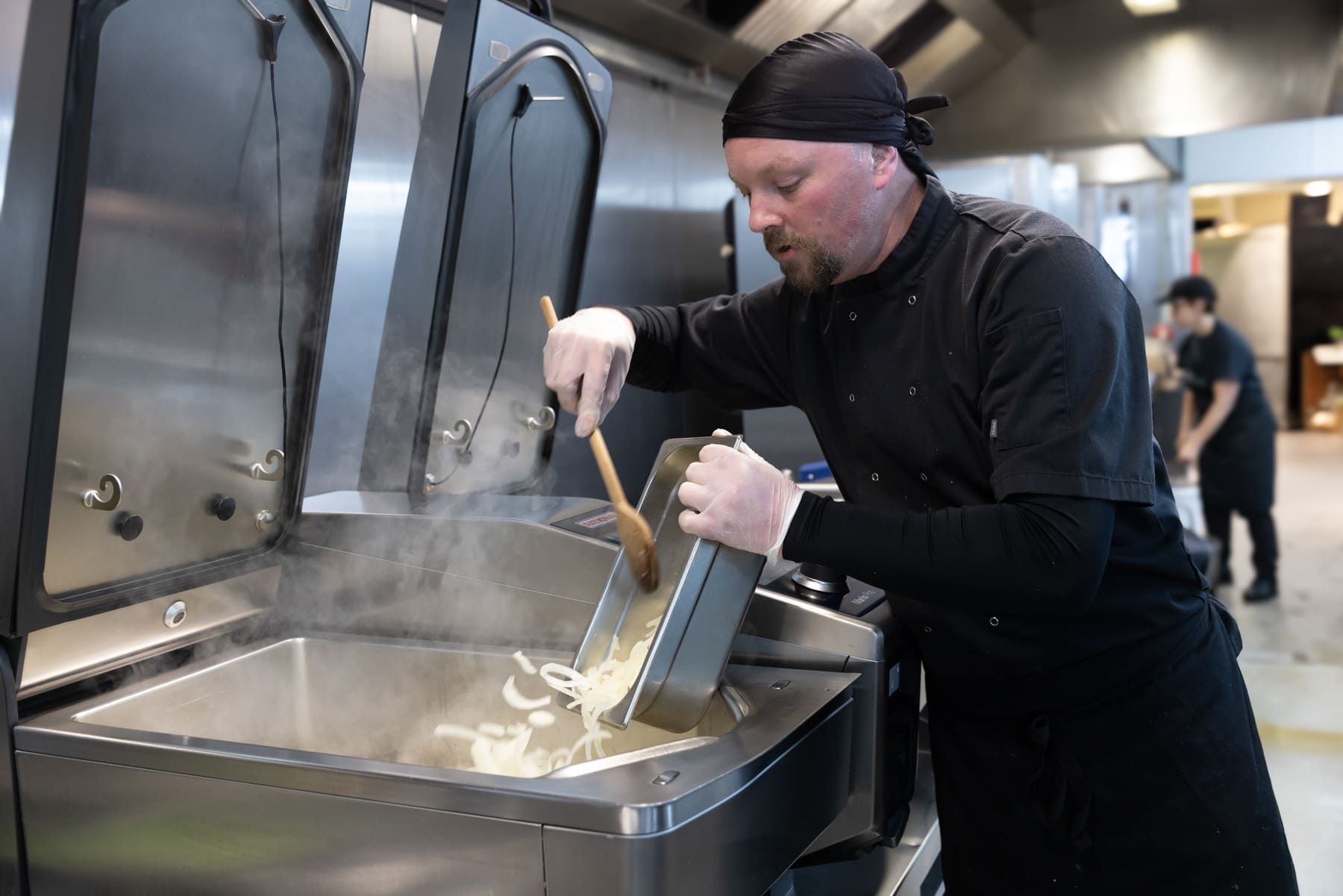
Cathal says the team initially hesitated to move away from gas, but the impact of the iVario was immediate. Within two weeks, they realised it was “a different league,” offering speed, safety and efficiency they had never experienced. No waiting on pots, no temperature loss and no burn risks. The iVario handles frying, boiling, sautéing, pressure cooking and more with perfect consistency.
The switch has also delivered major savings. Gas ovens were slow, unreliable and costly to run. As Cathal puts it, “Gas would be a step backward. Rational is the way forward.”
The iCombi Pro runs from early morning to evening, producing bakery items, deli products, ready meals and roasts with identical results every time. Probed cooking removes the guesswork, while overnight roasting allows chefs to return to perfectly cooked meats ready for chilling.
Even at Christmas, when Milestone doubles its turnover, the Rational cooking systems keep up effortlessly, cooking tonnes of turkey, ham and chicken with the same staff and the same kitchen footprint.
Despite its advanced technology, the equipment is simple. “At first it looked like a laptop,” Cathal says, “but once you know it, it’s a couple of presses.”
Milestone’s verdict is clear: “Reliable, robust, and a great piece of kit.”
Experience the iCombi and iVario live at a free product demo near you: www.rational-online.com/en_gb/see-for-yourself/rational-live-events/
ceda welcome new Grand Prix Awards judging duo
News
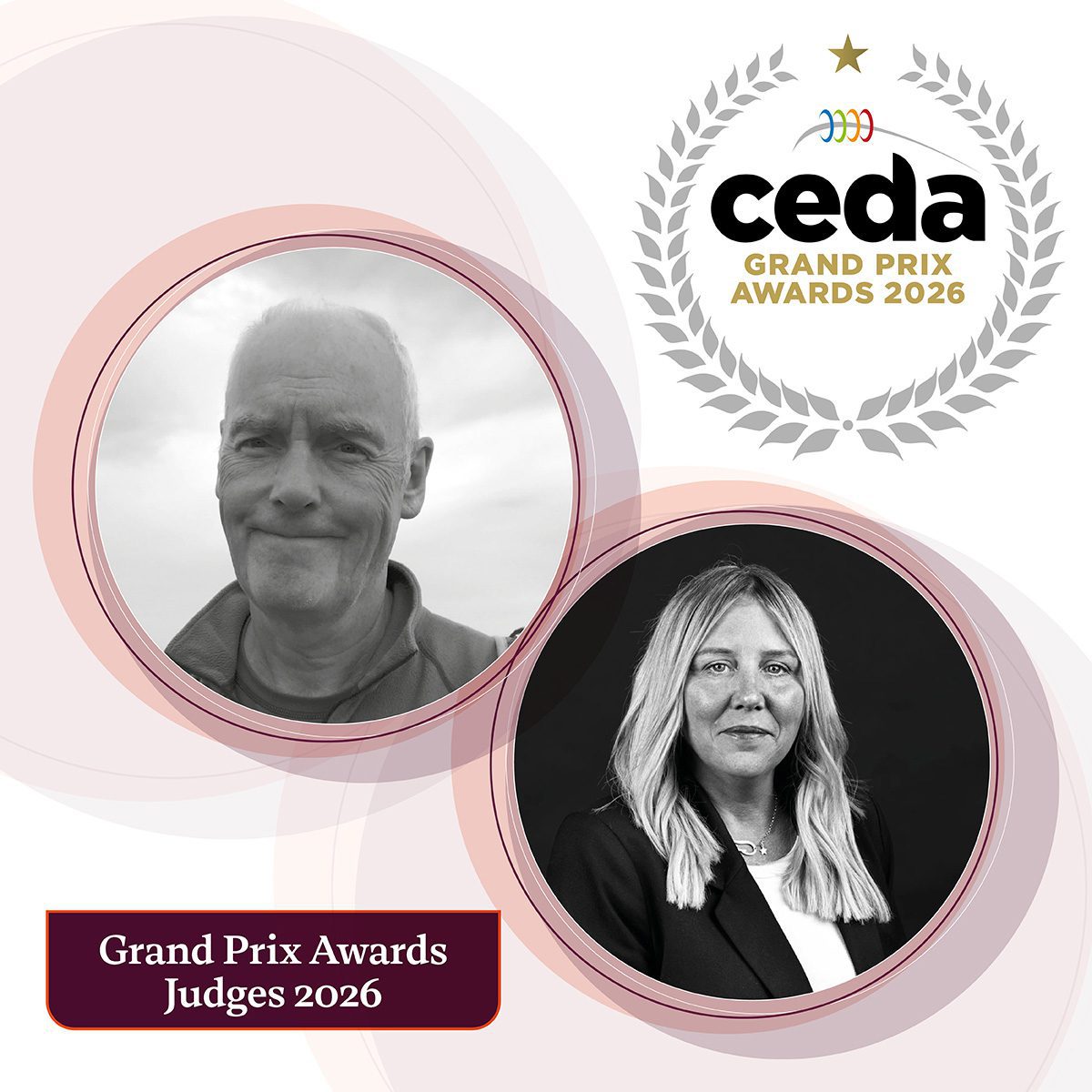
ceda has announced two new judges for their coveted Grand Prix Awards.
Michael Sinclair, formally of Catering Design Group, is an extremely talented and experienced foodservice design consultant, working across a wide range of hospitality sectors based in the UK as well as internationally.
He has worked on many prestigious projects, receiving a number of awards on the way through his career to date
Michael also is engaged with review and advisory client-side roles, overseeing the development of the core foodservice design development to completion.
He assists associations such as ceda with their education programs, giving guidance for designers and project managers alike and welcomes the opportunity to assist within the industry with resolving technical issues.
Joining Michael on the 2026 judging panel is Claire Smith.
Having spent her entire career working in hospitality, Claire is passionate about the importance of creating incredible hospitality experiences. As someone who started working for her family business in the early stages of her career, she took on a variety of roles in the hospitality design sector before working her way up to director level. Her career has spanned over 25 years working on a huge range of projects across hotels, restaurants, bars, pubs, leisure and heritage venues.
Of the appointments, Adam Mason, ceda Director General commented; “I’m delighted that we can welcome Mike and Claire as judges of the industry’s most prestigious Awards. They have complimentary knowledge and expertise and having worked together previously, I think they will make a great team.”
The Awards have attracted record number of entries this year, with over 60 across the various categories.
Mason continues, “Over 60 entries from more than 20 Member companies is a really good return, and once again the quality of projects delivered is outstanding. Particularly pleasing this year is seeing six companies enter the Awards for the first time. Best of luck to everyone.”
The 2026 ceda Grand Prix Awards that will be presented on Tuesday 16th June as part of the ceda Conference.



Commercial Catering Equipment Technician Apprenticeship – now delivered in just 17 months
News
Fellow members of ceda are being encouraged to take advantage of a newly streamlined apprenticeship that is transforming how quickly businesses can develop skilled gas engineers.
Delivered by Leep Trade in partnership with ceda, the Commercial Catering Equipment Technician Apprenticeship has traditionally been a 27–30 month programme.
However, it’s now available in a significantly reduced format of just 17 months, offering a faster and more efficient pathway to qualification.
A proven programme – Now more efficient
Developed in partnership with ceda, this Level 3 apprenticeship has long provided a structured route into the industry, combining hands-on experience with technical training.
Apprentices learn to install, maintain and repair commercial catering equipment across a wide range of environments, from restaurants and hotels, to schools and healthcare settings.
The programme blends:
- On-the-job learning (around 80%)
- Structured off-the-job training (around 20%)
- Block training delivered at specialist facilities in Stockport
- Industry-recognised ACS gas qualifications
Apprentices gain practical skills in areas such as installation, servicing, diagnostics, pipework, and electrical awareness, alongside essential safety and compliance knowledge.
Why the 17-month format matters
The move from 27 months to 17 months is a major step forward for the sector. It allows ceda members to:
- Develop competent engineers in a shorter timeframe
- Address ongoing skills shortages more rapidly
- Improve workforce planning and succession strategies
- Achieve a quicker return on investment in training
For apprentices, the benefits are equally compelling:
- Faster progression into fully qualified roles
- Reduced time to achieve ACS certifications
- Earlier earning potential as a qualified engineer
Importantly, the revised structure maintains the integrity and depth of the original programme while removing inefficiencies in delivery.
Funding and accessibility
The apprenticeship remains highly accessible:
- Fully funded for learners under 21
- Up to 95% funded for those aged 21+
- Apprentices must be currently employed and working within commercial catering
This ensures that fellow members of all sizes can invest in talent without significant financial burden.
Exclusive Offer for ceda members
To further support skills development across the industry, ceda members can also benefit from an exclusive training incentive with Leep Trade.
Fellow members receive 10% off all paid courses, making it even more cost-effective to upskill existing engineers or broaden team capabilities through additional certifications.
Strengthening the future workforce
With an ageing workforce and increasing demand for qualified engineers, apprenticeships remain one of the most effective ways to future-proof businesses.
The new 17-month format, combined with preferential access to further training, provides ceda members with a powerful, practical solution to close the skills gap.
Now is the ideal time to review your training strategy and take advantage of these enhanced opportunities, ensuring your business remains competitive while investing in the next generation of industry professionals.
Please email alan.fearon@leepgroup.com for more details.

A Practical Guide to PPM Scheduling Across Multi-Site Catering Equipment Contracts with Service Geeni
News
Running planned preventative maintenance across a portfolio of customer sites is one of the more operationally complex challenges facing catering equipment service businesses. Between varying asset inventories, different service intervals, site-specific access restrictions, engineer territory management, and the constant pressure of reactive demand, keeping a multi-site PPM programme on track takes more than a well-maintained calendar.
The businesses that do it well tend to share one thing in common: they approach scheduling as a structured operational framework, not just a booking exercise. Here is how that works in practice.
Providers looking for a platform that brings PPM scheduling, asset management, and engineer workflows together can find out more at Service Geeni.
The real complexity behind multi-site maintenance contracts
It is easy to underestimate how quickly PPM scheduling scales in difficulty once multiple locations are involved. A single-site contract is manageable with relatively basic planning. Add ten, twenty, or fifty sites, and the variables compound fast.
Providers handling multi-site catering contracts need to account for a wide range of factors at the same time:
- The total volume of assets across all locations and which require different service intervals
- Whether specific tasks demand engineers with particular certifications or equipment
- The geographic spread of sites and how that affects engineer routing
- Operational constraints that vary site by site
- The reporting and compliance requirements built into the contract
When any of these elements are not properly accounted for in the schedule structure, the knock-on effects tend to be commercial as much as operational. Engineers travel inefficiently, admin teams chase outstanding work reactively, and contract managers lose visibility over which sites are actually compliant. For providers working across restaurant groups, care settings, education estates, or hospitality businesses, those problems multiply across every additional location in the portfolio.
Anchor the schedule in the contract, not the available diary
One of the most common structural mistakes is building a PPM programme around diary availability rather than what the contract actually commits to delivering.
Before a single visit is scheduled, it is worth working through the contract in detail and translating it into a set of operational rules. That means understanding:
- Which sites and assets are in scope
- What service frequency applies to each asset type
- Where there are SLA or compliance obligations that must be met
- Any seasonal or trading restrictions that affect when visits can happen
- What reporting is required and at what level of detail
- What sits outside the contract scope and would be chargeable
In practice, even contracts that appear straightforward on paper often contain nuances that affect how the schedule needs to be structured. Some customers want uniform frequency across all sites. Others need more flexibility based on site size, kitchen throughput, or the criticality of specific equipment. A schedule that is not grounded in those details will eventually fail to keep pace with what has actually been committed.
Create a logical asset grouping structure
Scheduling each asset in isolation across a large contract quickly becomes unmanageable. A far more practical approach is to group assets in a way that reflects how maintenance is actually delivered.
For most catering equipment maintenance providers, that means organising assets across four dimensions:
- Site location
- Equipment category or type
- Required service interval
- Engineer skill or certification requirement
A national hospitality customer might have combi ovens, refrigeration, warewashing, and extraction assets spread across dozens of premises. Not all of these follow the same visit schedule, and not all of them can be serviced by the same engineer profile. Building a clear grouping structure allows planners to create repeatable visit plans rather than manually managing individual asset due dates. It also makes it easier to understand what a site visit should realistically achieve before it is booked.
Standardise visit templates to reduce management overhead
The more variation there is between how different PPM visits are structured, the harder the contract becomes to manage at volume. Standardisation helps with this significantly.
Where contract terms allow for it, providers benefit from creating visit templates that define what a typical scheduled visit looks like for a given site type or asset grouping. A smaller café site will follow a different template to a large production kitchen or a multi-unit hospitality venue, but within each category the structure should be consistent.
A well-designed visit template covers:
- How long the visit is expected to take
- Which assets are normally included
- What task checklists apply
- What forms or reports need to be completed
- How follow-on remedial actions are raised
The benefit is not just operational efficiency for the back-office team. Customers managing estates across many locations want to see consistency in what they receive. A site that gets a thorough service record and clear follow-up actions builds confidence in the provider. A site that gets inconsistent documentation and vague visit notes does the opposite.
Design routes into the schedule from the outset
A PPM schedule can look commercially viable on paper and still erode margin in practice if geography has not been factored into the visit structure.
Travel time is one of the more controllable cost variables in multi-site maintenance delivery, and the scheduling structure plays a major role in whether it is managed well or badly. Where possible, visits should be clustered geographically so that engineers are covering logical routes rather than criss-crossing territories unnecessarily.
This also has an impact on resilience. When reactive work absorbs planned capacity, a geographically sensible schedule is easier to flex than one where engineers are already committed to inefficient routes. Tools such as AI Scheduling can help planners balance due-date compliance with route efficiency, reducing the manual effort involved in juggling geography, engineer availability, and workload at the same time.
The aim is not a theoretically perfect schedule. It is a practically deliverable one that keeps sites compliant without unnecessarily inflating travel costs or putting pressure on engineer capacity.
Record site constraints before they cause problems
Access issues are one of the most consistent causes of PPM schedule drift in catering environments. A visit that cannot go ahead on the planned date because the access window was not known, or the right contact was not available, creates a ripple effect through the whole programme.
Site-specific operational constraints need to be captured as part of the schedule setup, not discovered after the first failed visit. Relevant information typically includes:
- Access windows and any time restrictions on when engineers can attend
- Key contact names and on-site procedures
- Permit to work or induction requirements
- Parking and logistics information
- Out-of-hours limitations
- Any safeguarding or security protocols relevant to the site type
When this information is centralised and accessible to both planners and field engineers, visits proceed more smoothly and the number of avoidable disruptions drops. When it is scattered across emails, call notes, or individual memory, the risk of access-related delays stays high.
Build remedial work into the schedule model
PPM visits generate follow-on actions. That is, in many ways, the point of them. But if the schedule model does not account for how remedial work flows through the business, those actions tend to pile up and undermine the value of the planned maintenance programme.
A structured PPM approach defines how work identified during planned visits is raised, prioritised, priced where necessary, and scheduled alongside the rest of the workload. On large multi-site contracts, the volume of remedials can be substantial, and without a clear process they create a backlog that affects customer relationships even when the planned visits themselves are being completed on time.
The most effective maintenance operations do not treat PPM scheduling as something separate from the broader service workflow. Planned visits, remedial jobs, and reactive demand are all part of the same capacity picture, and the schedule needs to reflect that.
Integrate documentation requirements from the start
Documentation is often treated as an afterthought in PPM scheduling, added as a requirement after the visit structure has already been defined. In practice, it needs to be part of the design from the beginning.
For multi-site customers, reporting consistency is a measurable part of contract performance. They want a clear, reliable record of what was visited, what condition assets were found in, what work was carried out, and what follow-up is recommended, across every site in the estate.
Each PPM event in the schedule should have a defined documentation process attached, including:
- Engineer job sheets or digital service records
- Asset-level maintenance logs
- Photographic evidence where relevant
- Customer sign-off processes
- Exception and escalation reporting
- Recommended remedial actions with clear priority levels
- Contract-level visibility of completed, upcoming, and overdue visits
Digital workflows that link documentation directly to the planned visit make this significantly easier to maintain as the contract grows. Service Geeni brings together scheduling, asset history, engineer workflows, and service reporting in one platform, giving providers a more joined-up approach to managing documentation across complex contracts.
Schedule regular reviews into the programme
A recurring PPM schedule that is built once and never revisited will gradually drift out of alignment with the realities of the contract.
Assets change. Sites are added, closed, or refurbished. Engineer coverage shifts. Usage patterns evolve. What was an appropriate visit frequency at contract start may be too frequent or insufficient twelve months later.
Building structured review points into the PPM programme creates a mechanism for catching that drift before it affects performance or profitability. Key questions to address at each review include:
- Are visit durations still accurate for what is being delivered?
- Do service frequencies still reflect contract requirements and asset needs?
- Are there sites that are consistently difficult to access or regularly falling behind?
- Is travel time having a visible effect on contract margins?
- Are remedial actions being followed up quickly and completely?
Regular reviews keep the schedule commercially sustainable and prevent the slow accumulation of small inefficiencies that eventually become significant problems.
What a well-structured multi-site PPM programme delivers
When PPM scheduling for catering equipment contracts is built on a proper framework, the practical benefits are significant. Maintenance providers should expect:
- Full visibility of every covered site and asset within the contract
- Consistent service frequencies that reflect contract terms and asset requirements
- Visit plans that account for geography and engineer capacity
- Centralised site access information that reduces the risk of failed visits
- Standardised engineer workflows and task checklists
- Reliable documentation and remedial follow-up processes
- Clear reporting on completed, scheduled, and overdue work
The operational effect is that scheduling teams spend less time managing exceptions and more time planning ahead. Engineers arrive at sites better informed and prepared. And customers experience a level of consistency across their estate that builds long-term confidence in the provider.
Closing thoughts
Effective PPM scheduling across multi-site catering equipment contracts is not simply about making sure the visits are in the diary. It is about building a delivery model that is realistic to execute, commercially efficient, and capable of scaling alongside a growing contract base.
That requires moving well beyond basic recurring appointments and building a proper operational framework around contract commitments, asset structures, engineer allocation, site constraints, documentation, and remedial workflows.
Providers who invest in that structure find it considerably easier to protect margins, maintain service consistency, and grow their contract portfolio without proportionally increasing their overhead.
If you are looking to make multi-site PPM contracts easier to manage, having systems that connect scheduling, asset data, engineer workflows, and service reporting is an important part of the picture. That is where platforms such as Service Geeni can help support a more operationally coherent approach.