























Initial Results of the Catering Equipment Industry Workplace Mental Health Survey
Together with The Burnt Chef Project, we recently conducted an industry-wide survey to understand the current state of mental health and wellbeing within the catering equipment industry.
This was with a view to put in place resources, strategies and initiatives that will directly help support colleagues and to break down the stigma of mental health within the sector.
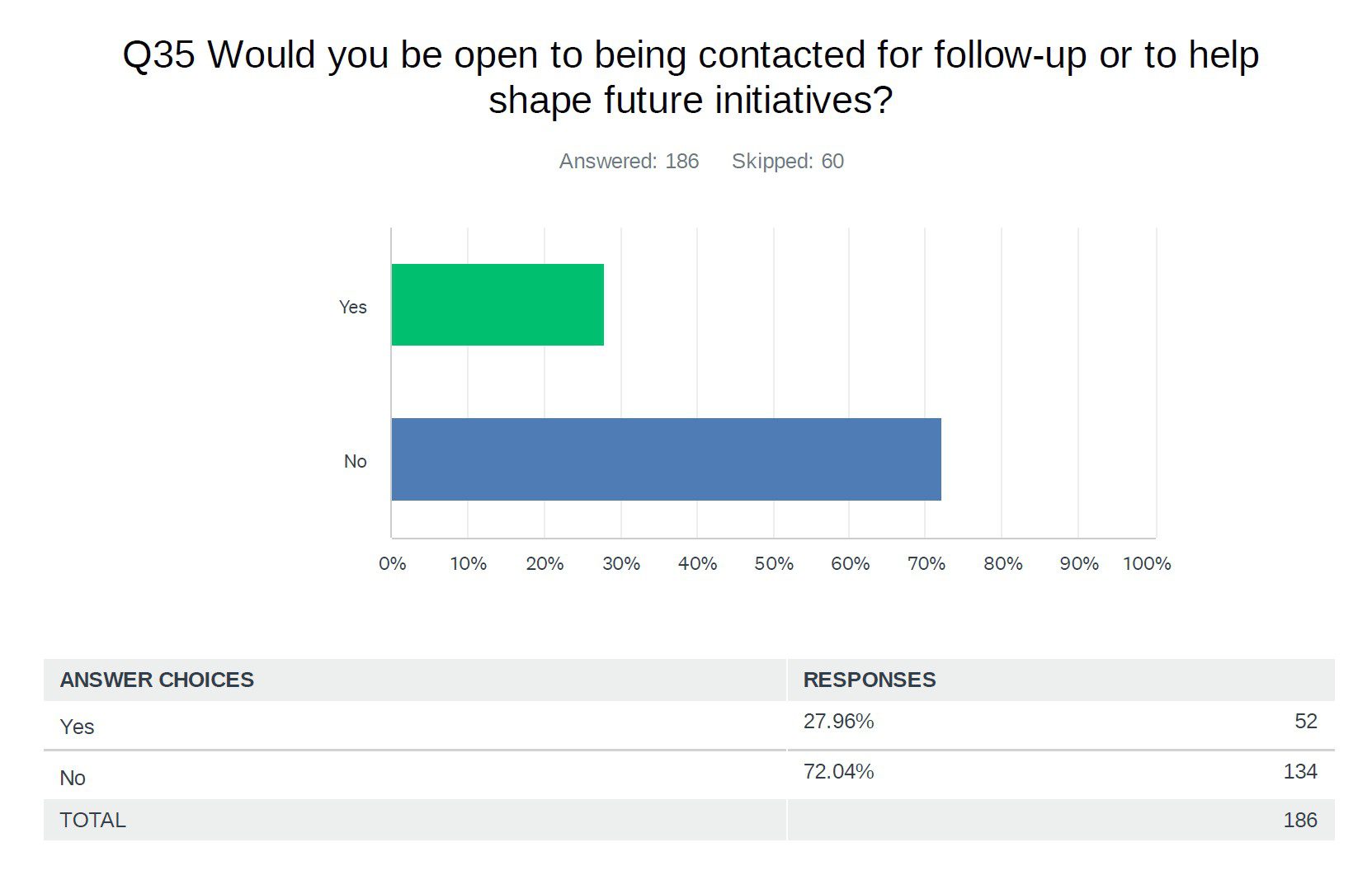
There was an open-minded attitude to the survey which received over 250 submissions. Whilst the survey was anonymous, over 50 participants left details to be contacted with follow up information and to help with further development.
All job roles, across businesses that supply, install, service, maintain and manufacture catering equipment, were invited to take part in the survey through direct emails, social media coverage and collaborating with organisations and industry influencers.
There were 35 questions covering areas including;
- Current Mental Health Status
- Work’s Impact on Mental Health
- Burnout Experience
- Recognition and Openness
- Manager Relationships & Organisational Climate
- Work-Life Balance
- Out-of-Hours Communication & Digital Boundaries
- Awareness of Wellbeing Support
- Leadership Density & Readiness
- Early Career Cohort & Pipeline
The results have been analysed, and some initial findings have been shared to give a snapshot as to the state of the mental health of the industry…
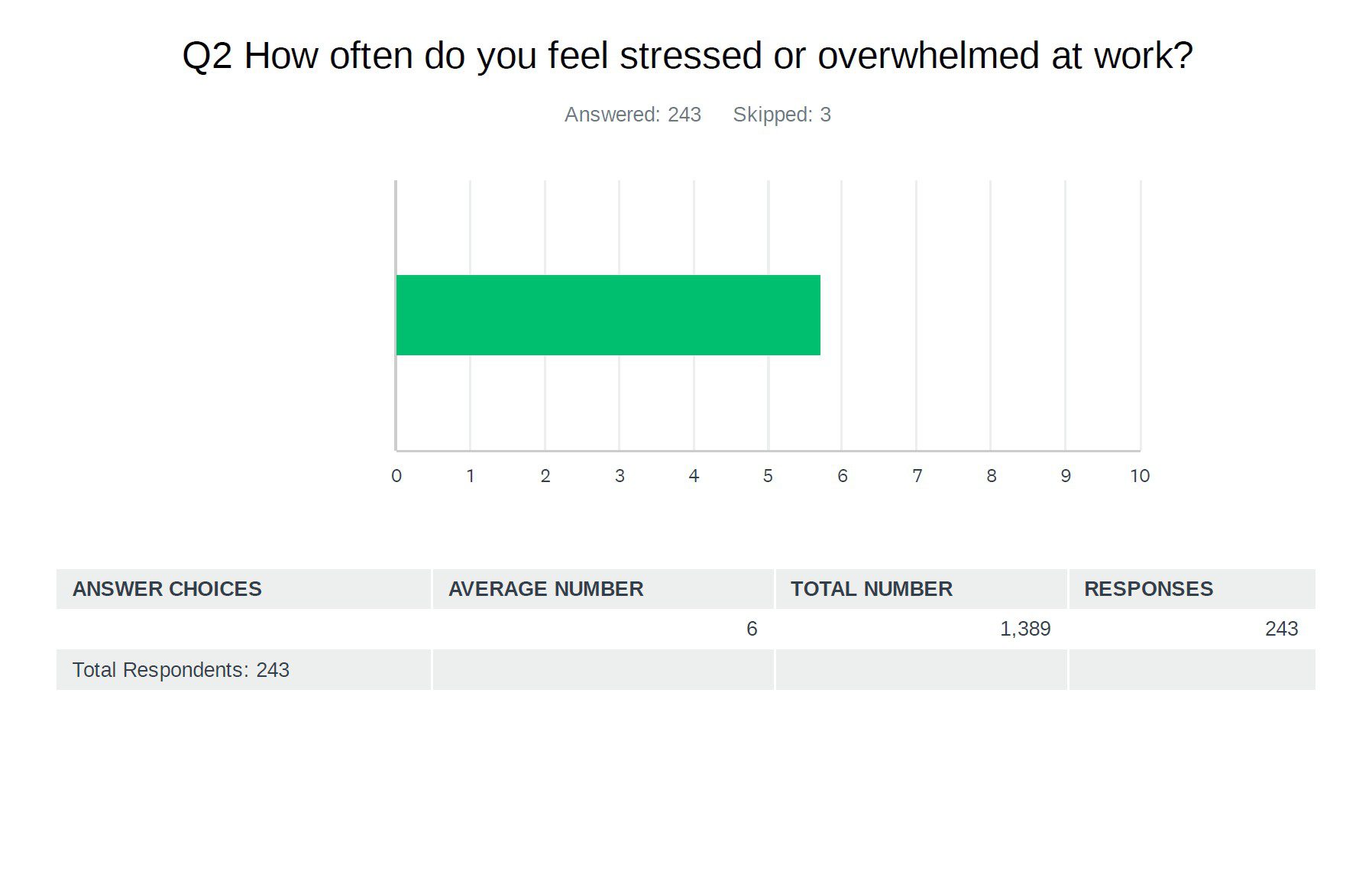
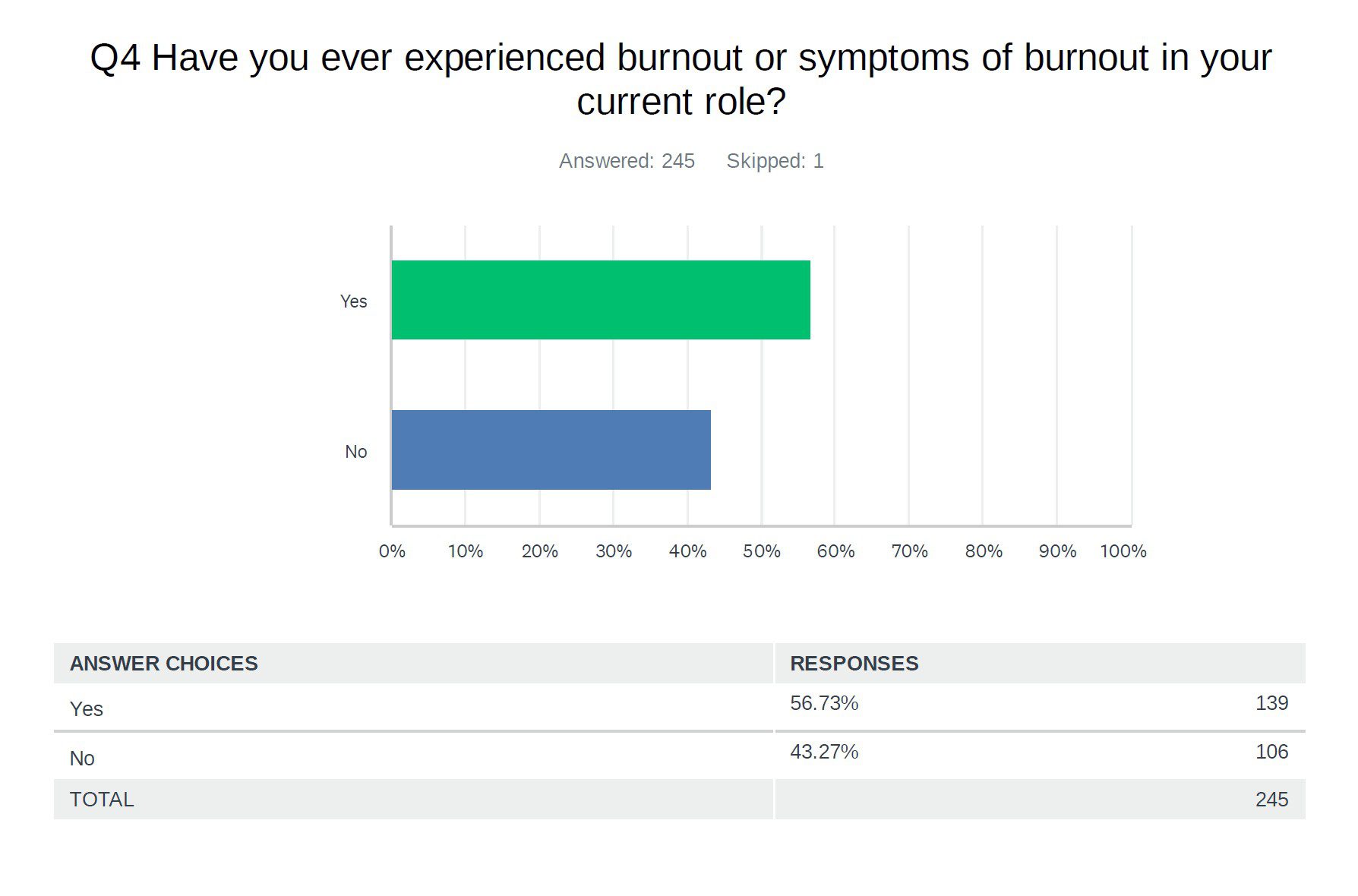
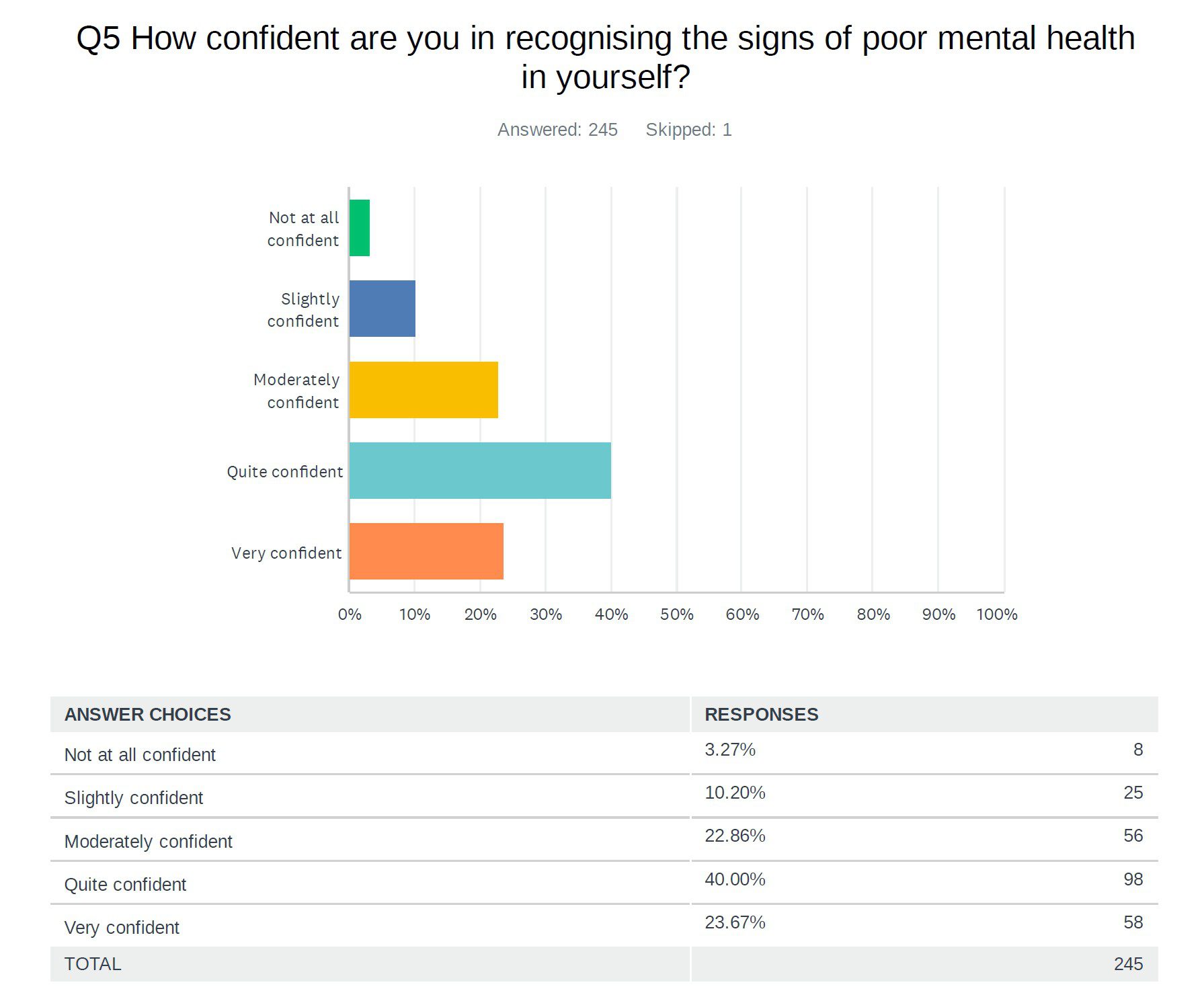
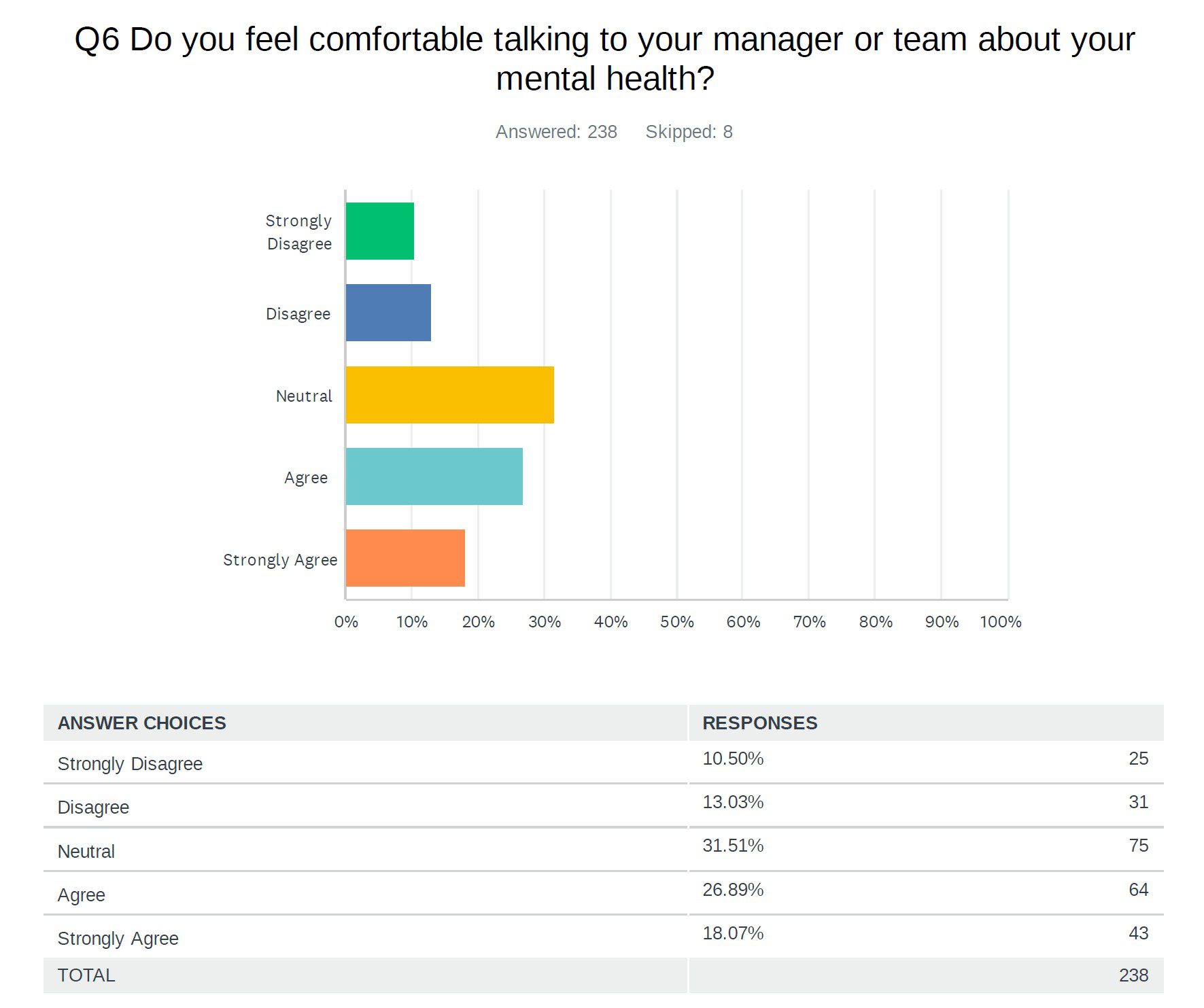
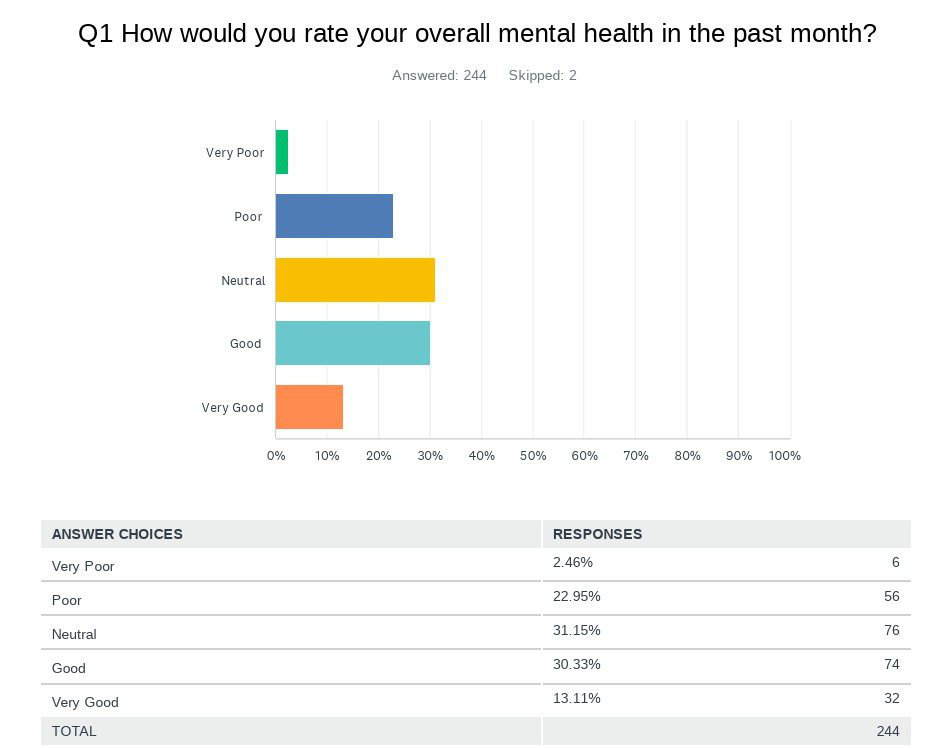
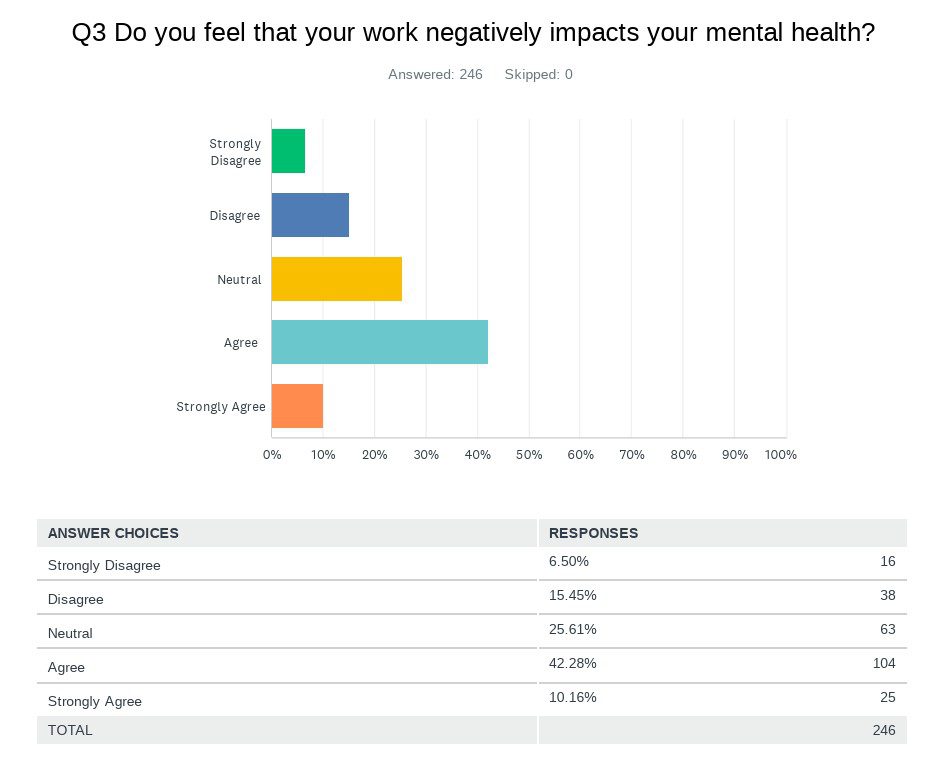
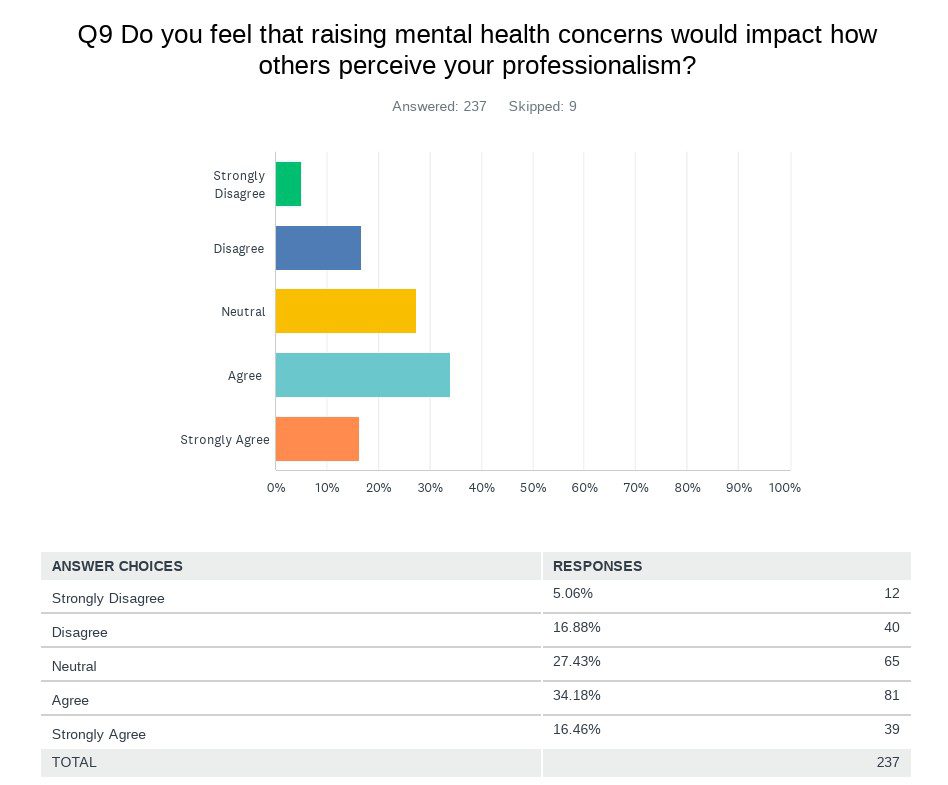
The graphs opposite contain the responses from each of the survey questions. Five of the questions required some personal details to be submitted so we have not shared those results here. Please click on any of the graphs to expand to full view.
Over half of those individuals who completed the survey said that in the month before they completed the survey their mental health was neutral to poor instead of thriving (Q1) and again over half of all respondents said that they agreed that work had a negative impact on their overall mental health (Q3).
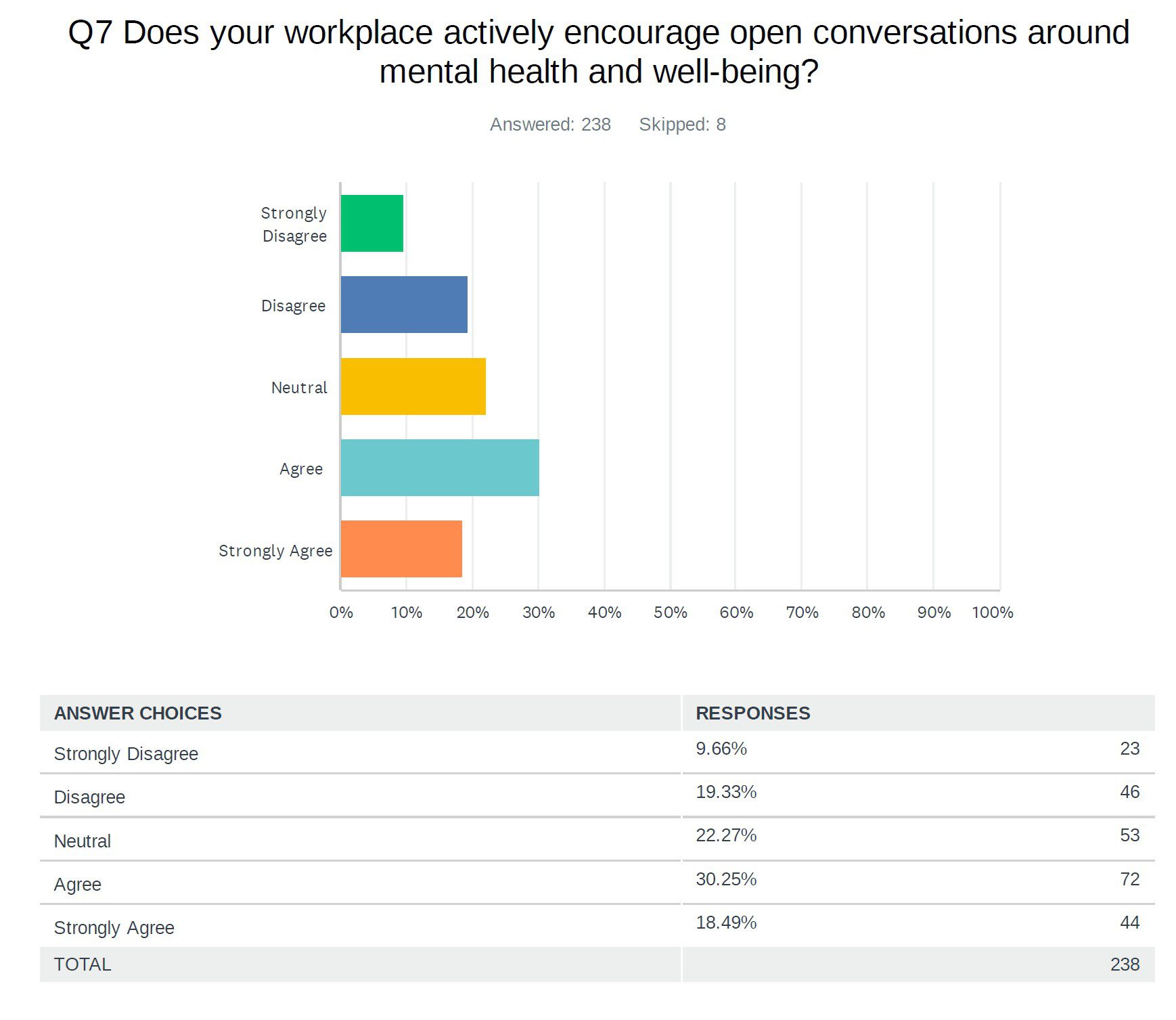
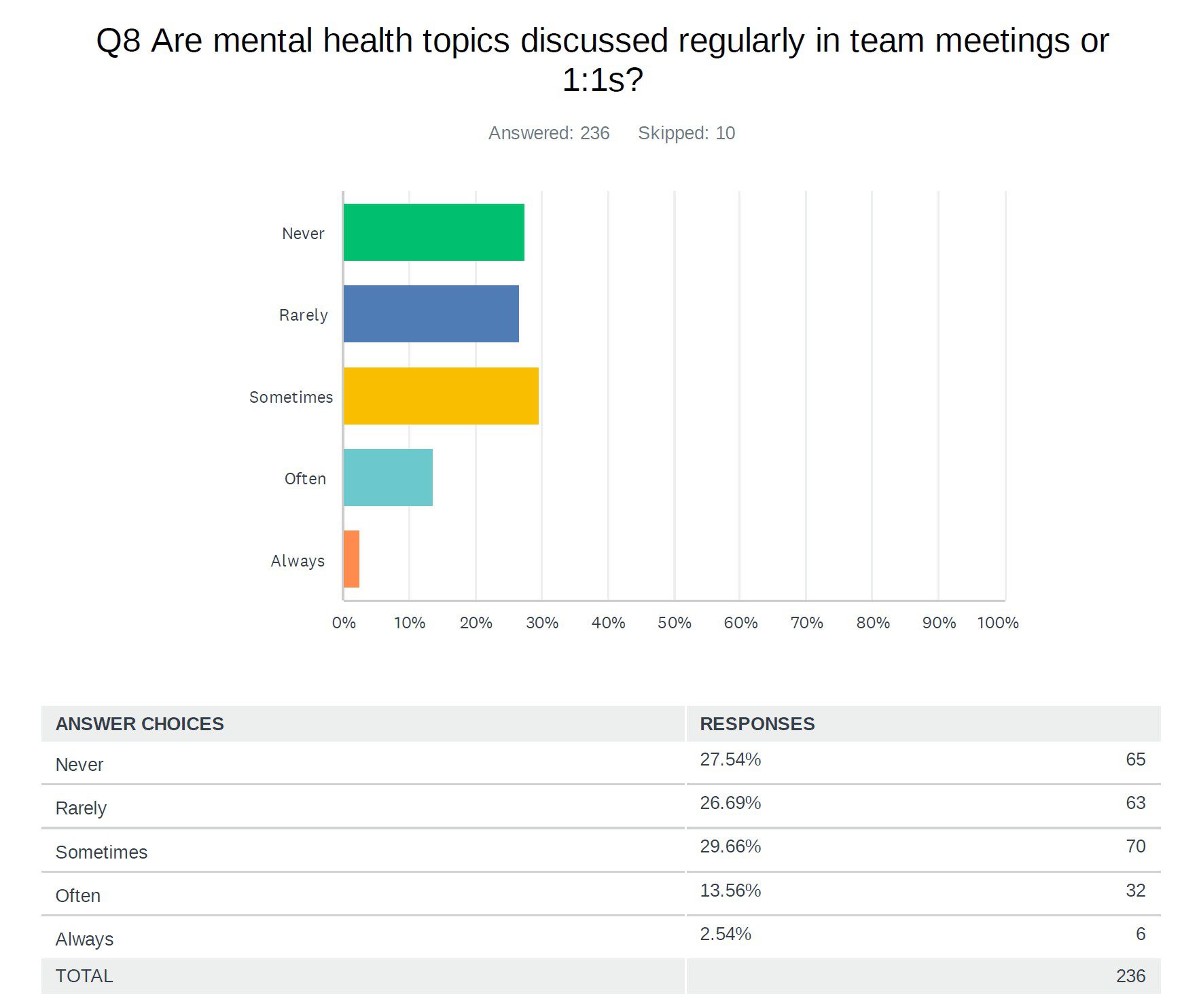
There was some positivity in that many more people were happy to raise mental health issues with their manager than weren’t and 70% of respondents gave a positive reflection on how mental health and well-being is approached in their workplace through encouraging open conversations. Individuals did feel though that mental health and well-being was not properly addressed in one-to-one meetings suggesting that stigma about mental health within the workplace still exists and raising mental health concerns would have a negative impact on how their professionalism would be perceived (Q9).
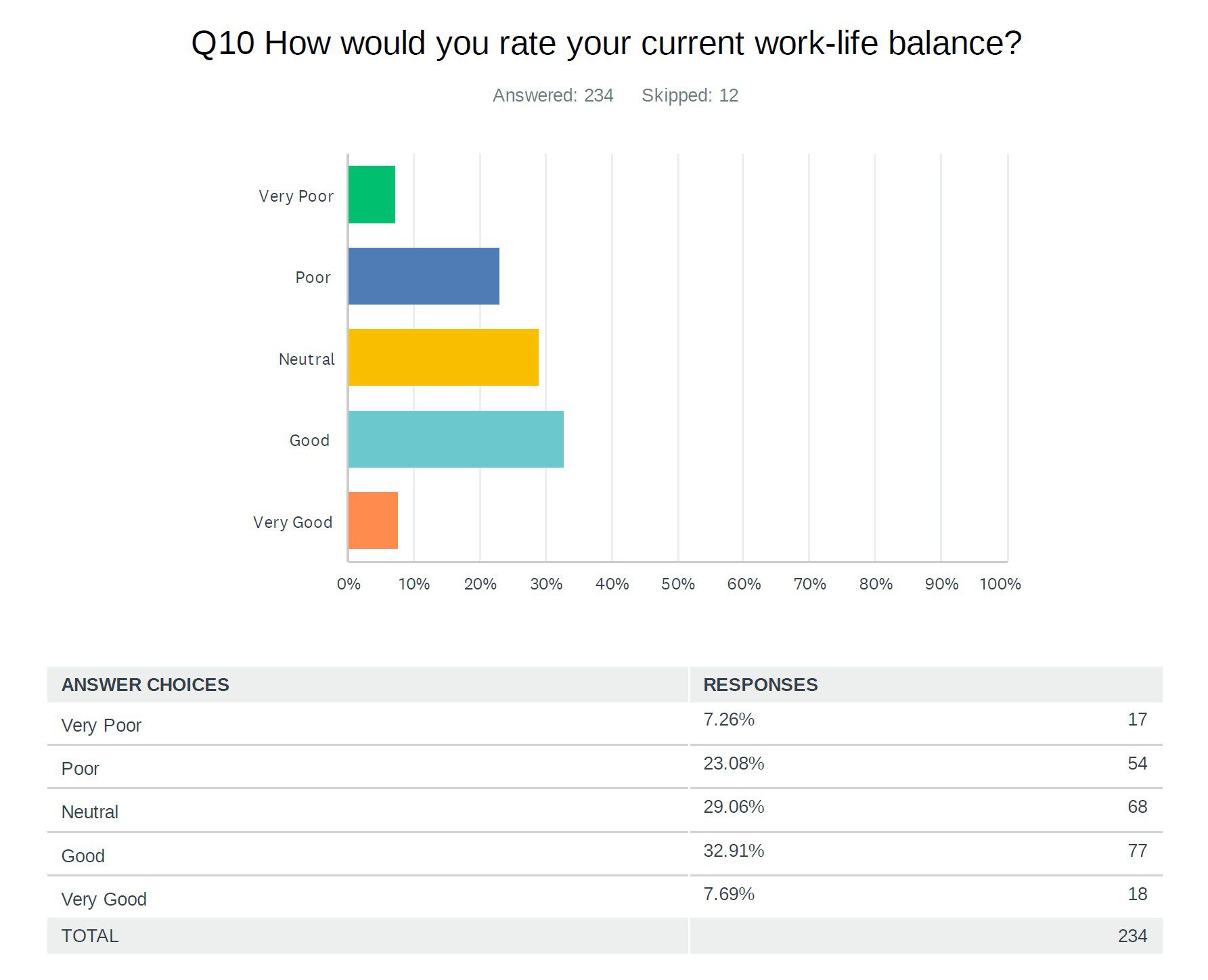
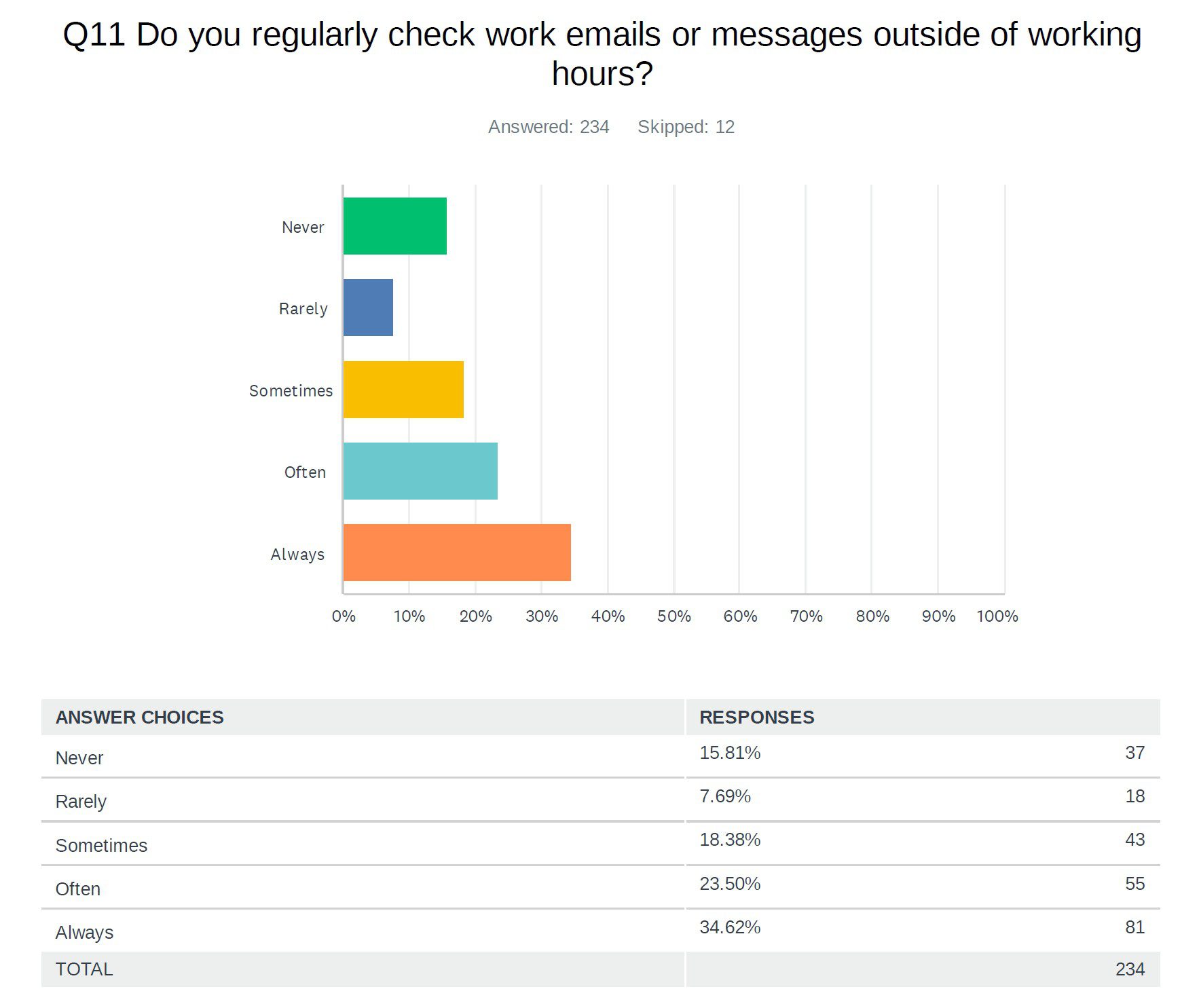
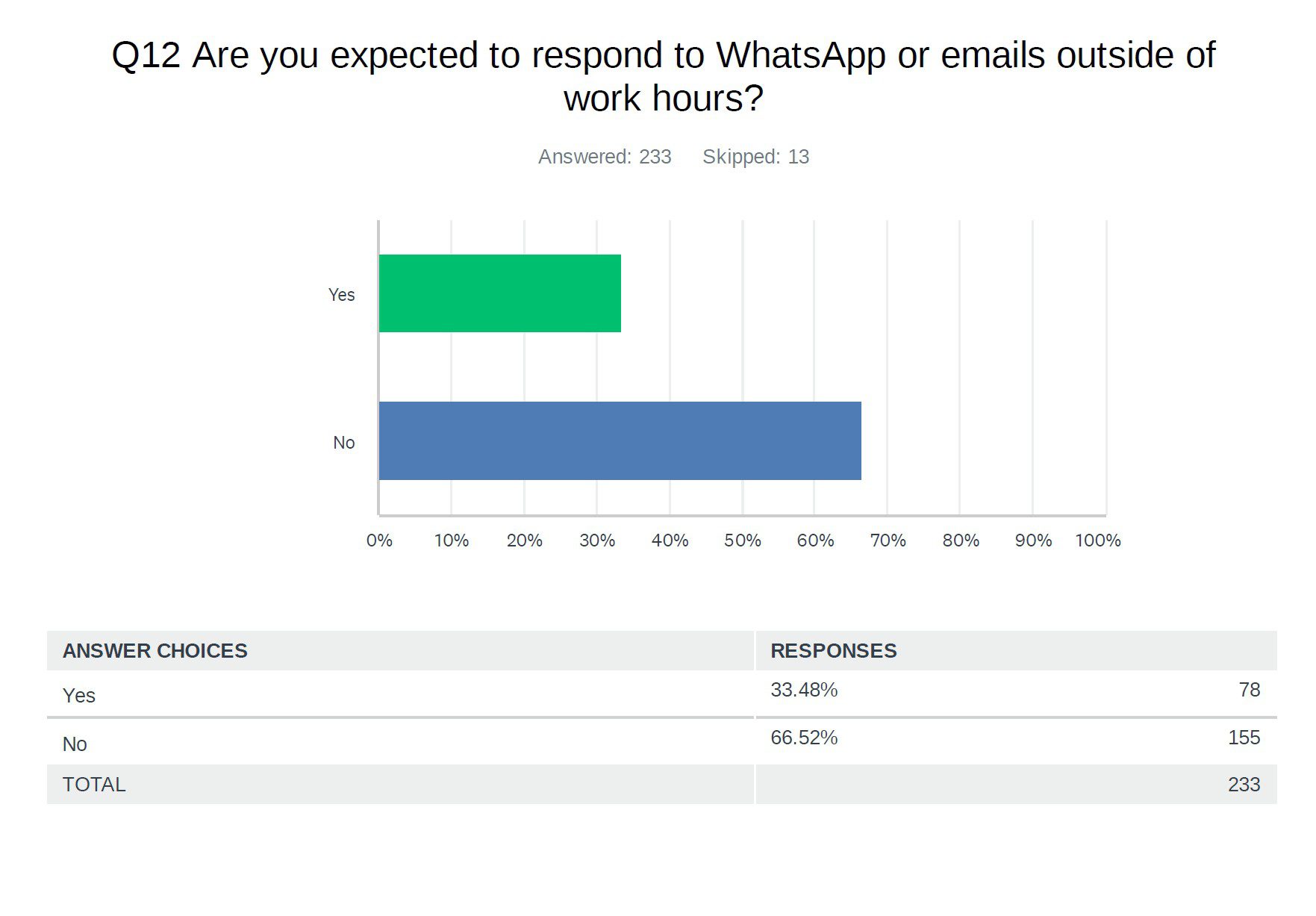
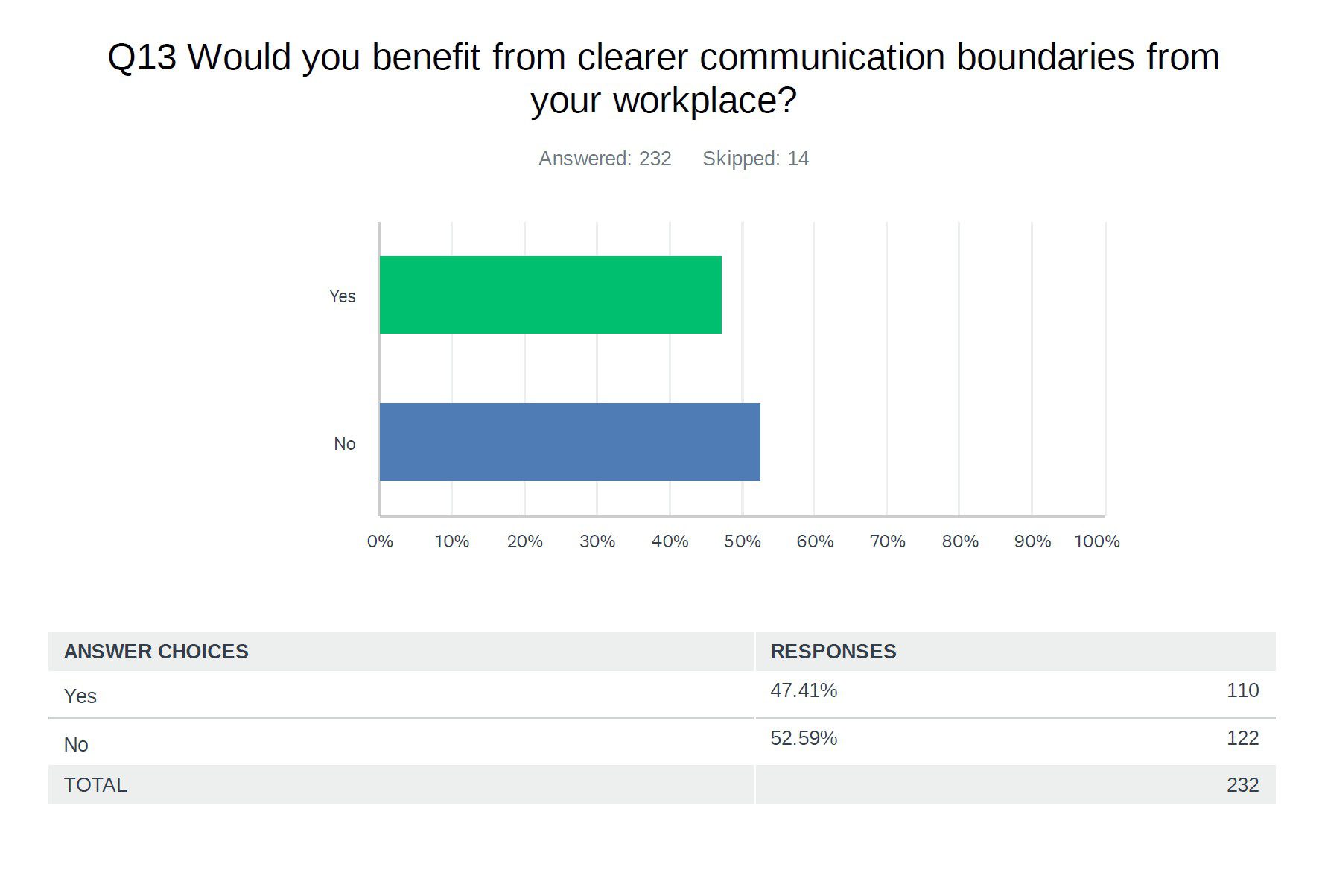
In an Industry that responds to those working 24-7 then perhaps it is not a surprise to see that there is an imbalance between homelife and work as well as out of hours checking of emails and mobiles. While many feel that they don’t need to respond (65%) perhaps it would be worth looking at businesses adopting sector-fit norms instead of rigid rules including urgency labels, “send-later” defaults and team agreements on response windows.
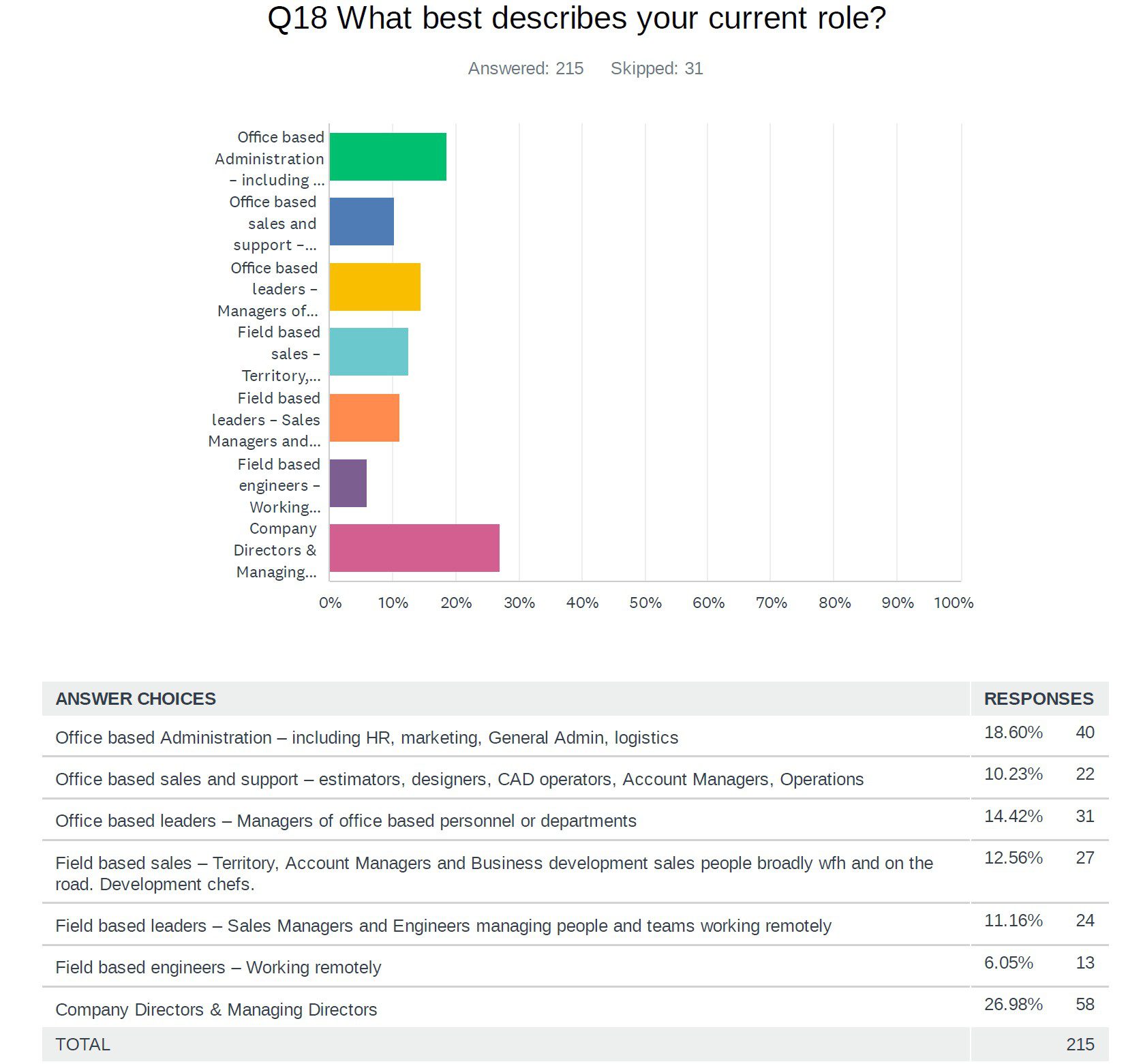
Company Directors & Managing Directors are most likely to always check work emails outside working hours. Office-based Administration staff are the group most likely to never check emails outside hours. Field-based sales and leaders, as well as office-based leaders, show a mix but lean toward frequent checking.
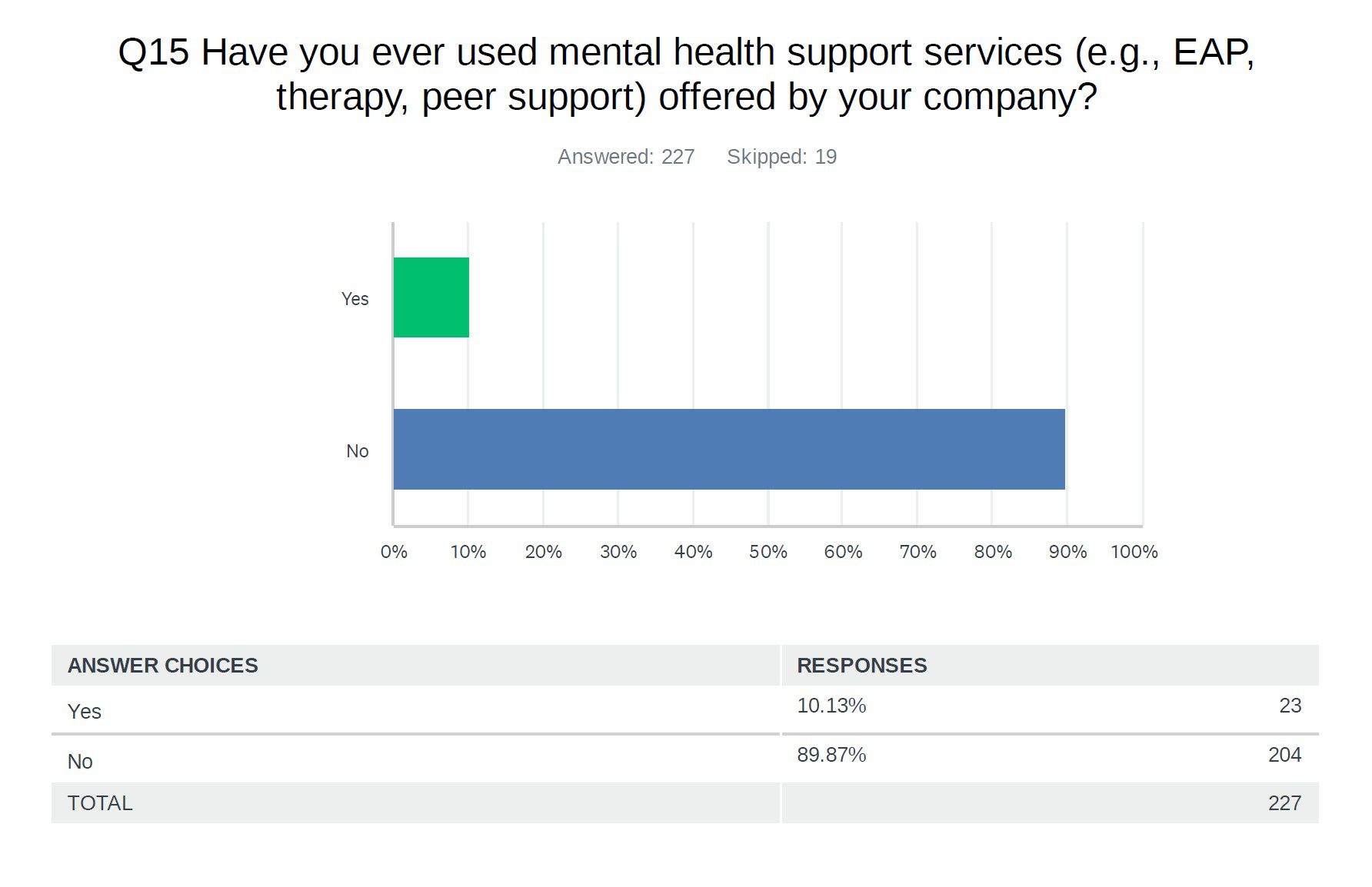
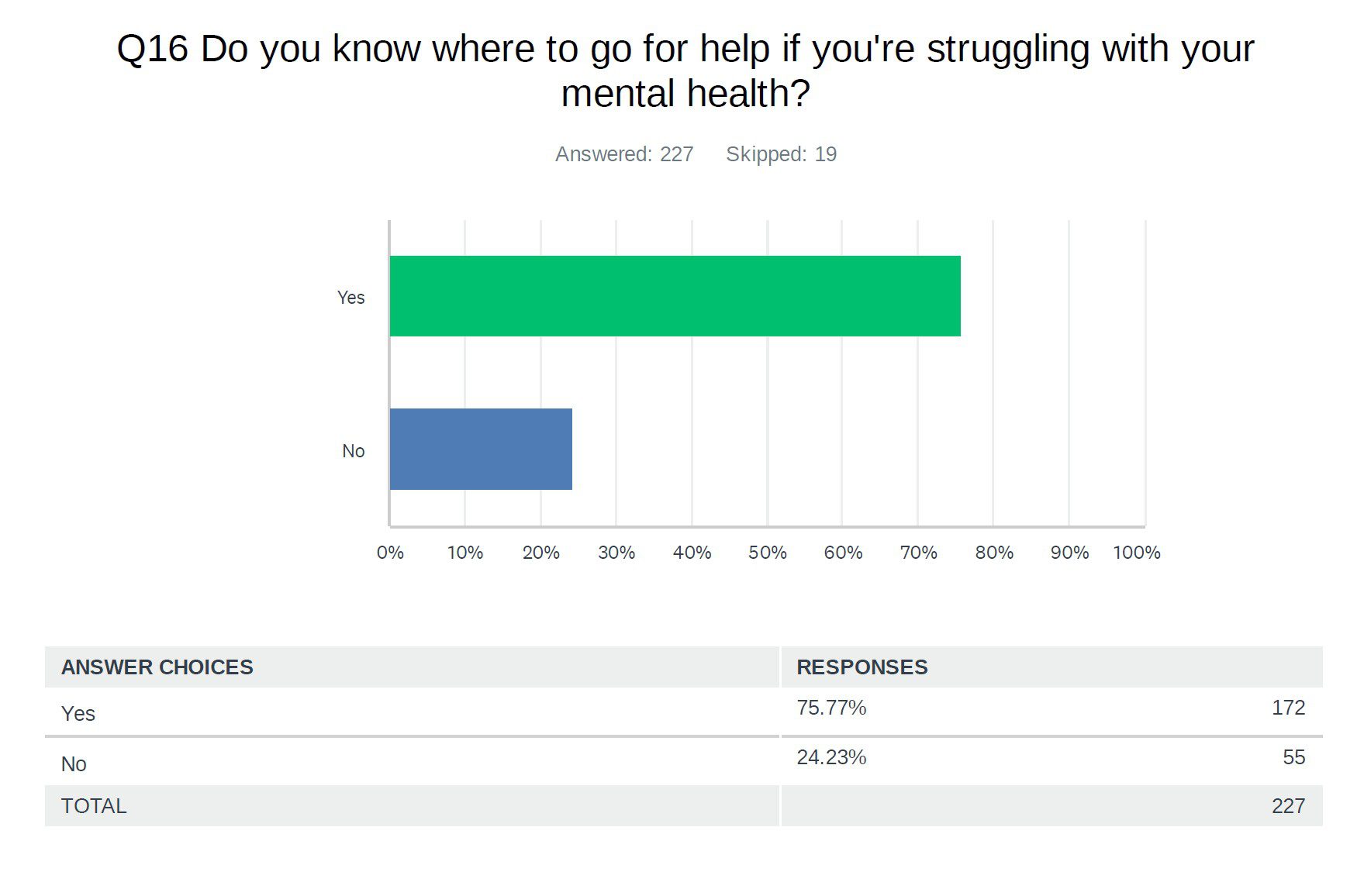
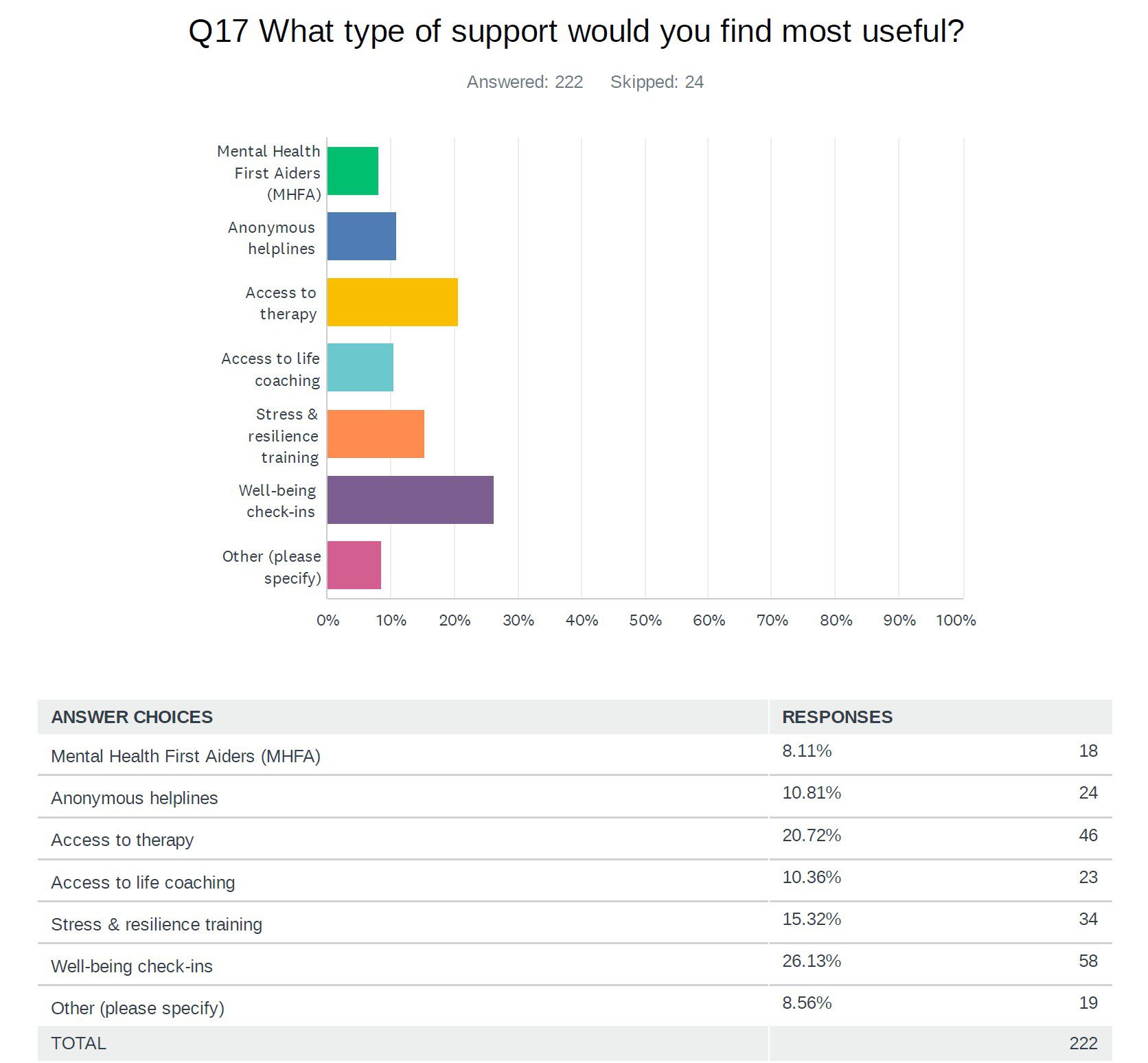
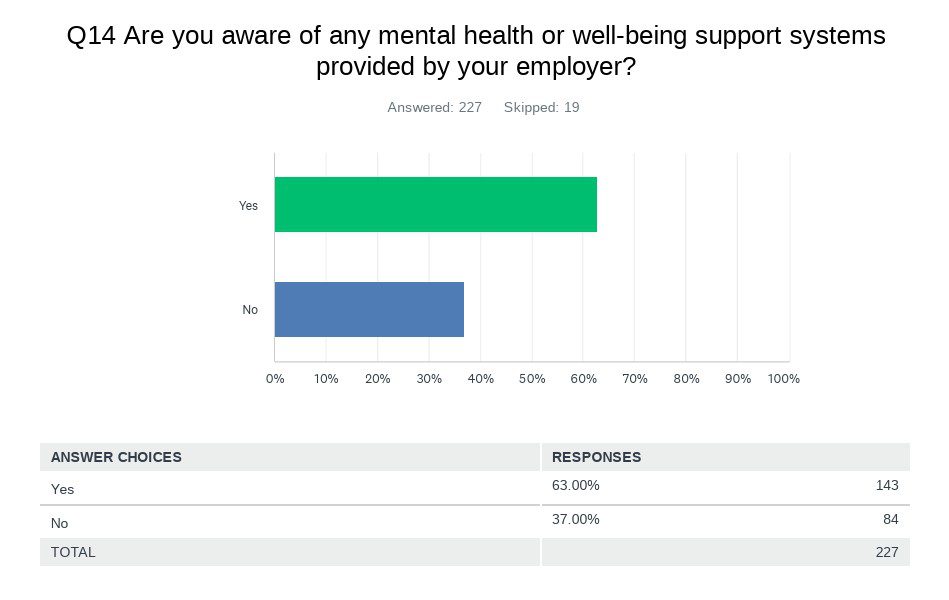
When it comes to awareness of mental health support it was good to see that over 60% of respondents were aware of mental health support systems within their business (Q14) and over 75% knew where to go if they were struggling with their mental health. It is positive to see that support exists in many organisations, but visibility and onboarding reinforcement must improve to reach the unaware.
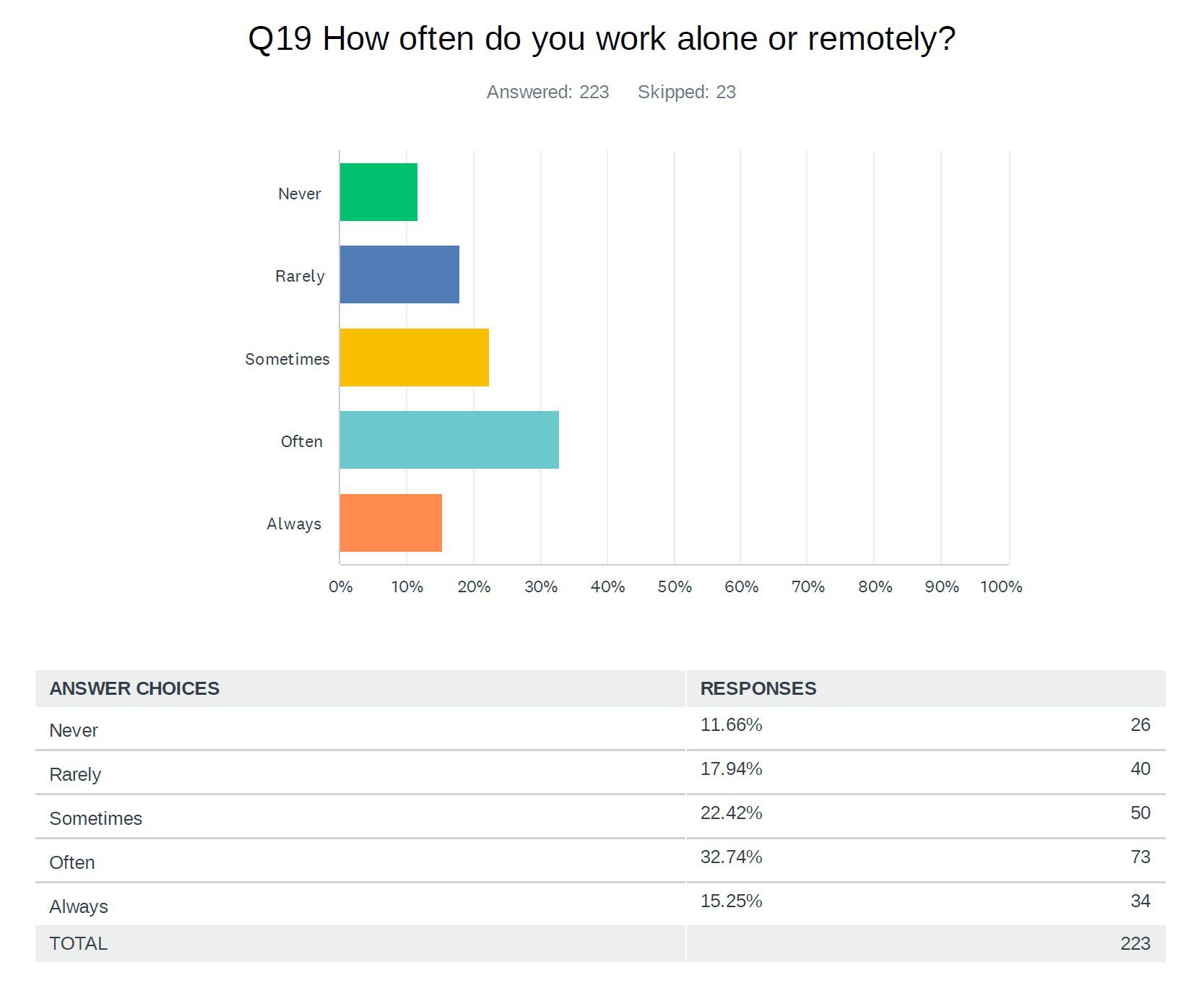
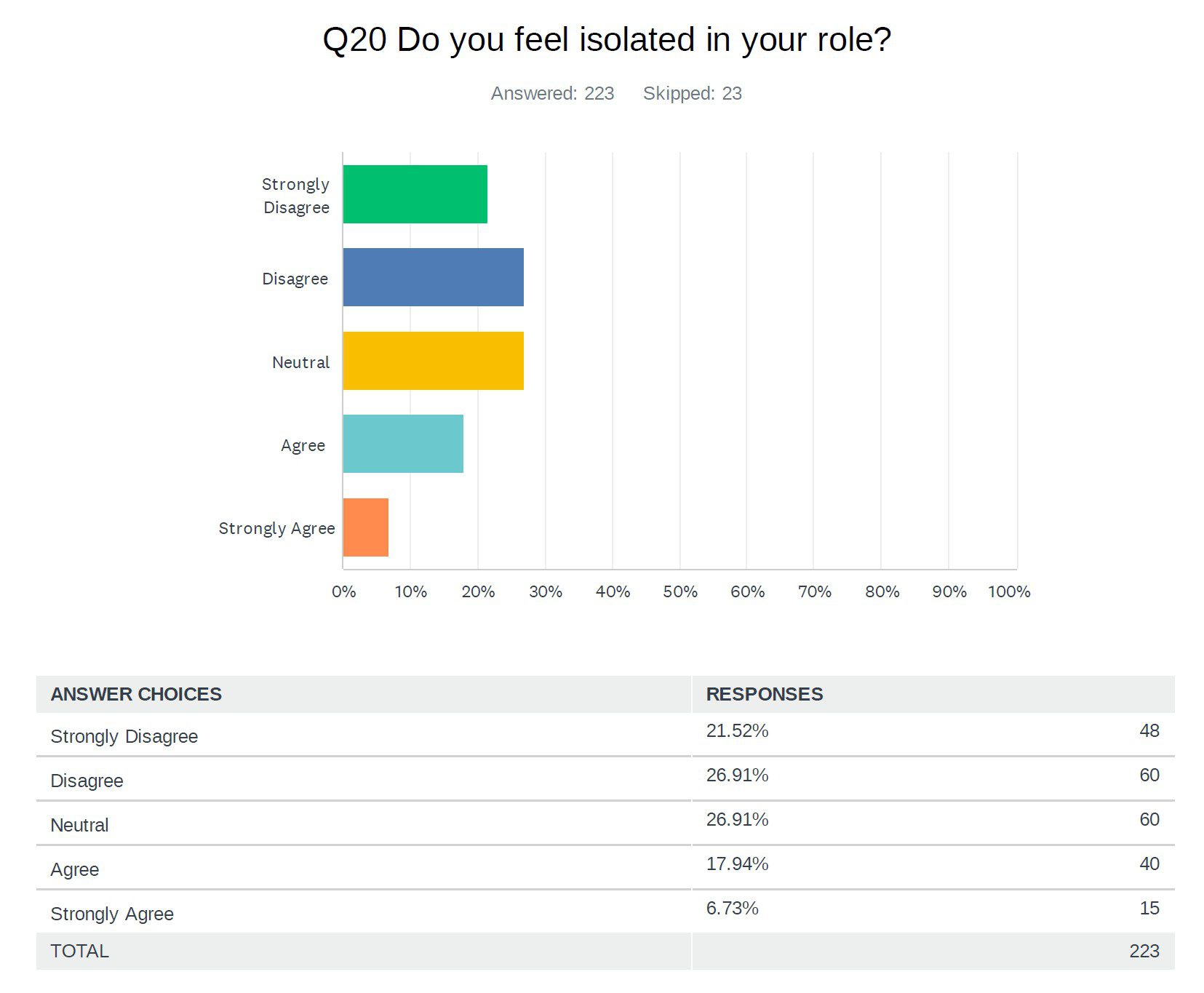
When it comes to job roles, age and mental health, over 70% of respondents reported that they worked alone sometimes through to always. As an industry that has engineers, sales representatives and other job roles that involve many hours of travelling and working alone this is an area of concern.
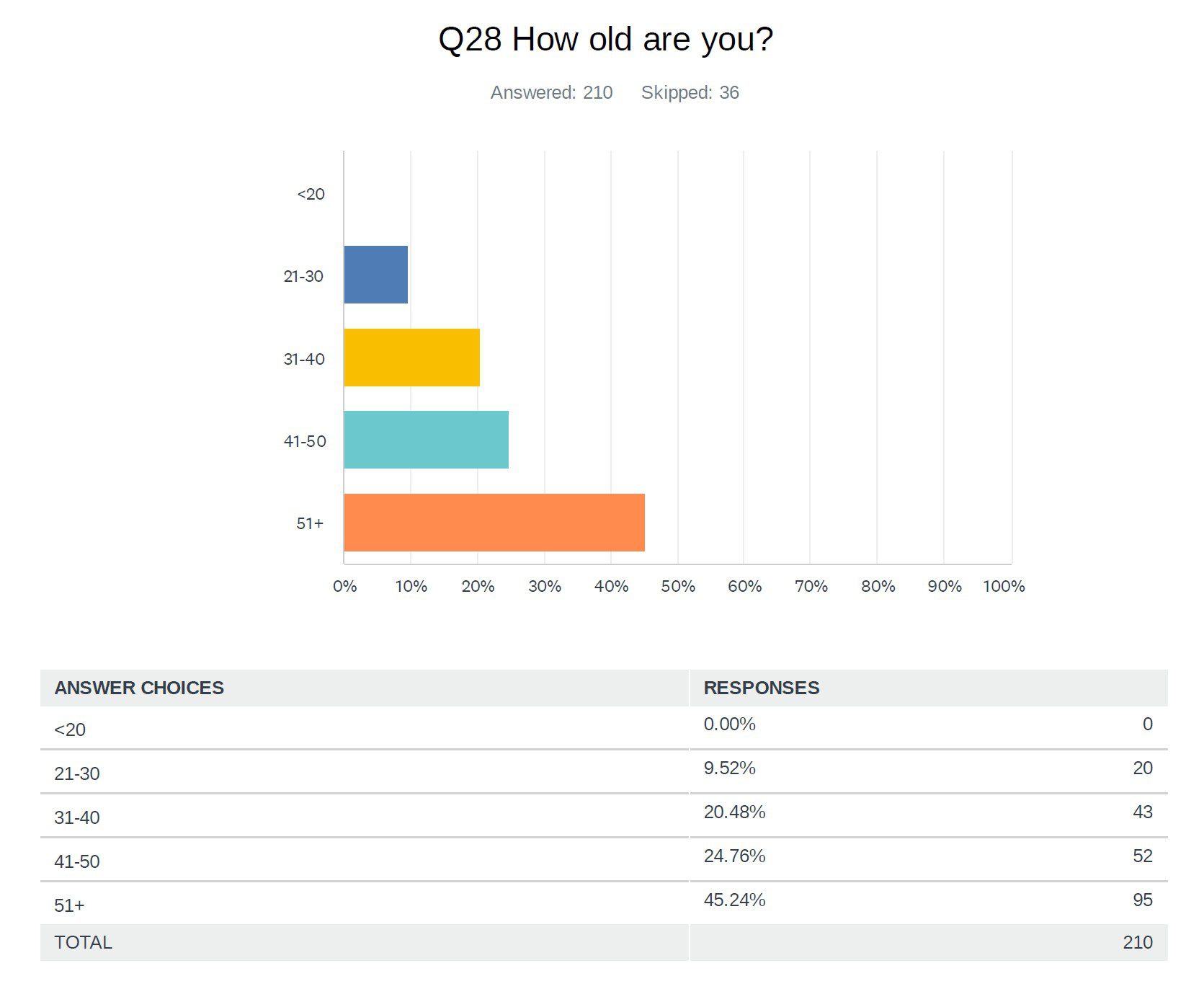
When it comes to age demographic, respondents aged 51 + most often rated their mental health as ‘Good’ or ‘Neutral’. In the 41–50 and 31–40 age groups, ‘Poor’ and ‘Neutral’ were most common, while the 21–30 age group was more evenly split between ‘Neutral’, ‘Poor’, and ‘Good’ ratings.
Company Directors & Managing Directors most often rated their mental health as ‘Good’ or ‘Neutral’. Office-based Administration and leaders also leaned toward ‘Good’ or ‘Neutral’. Field-based roles, especially sales and engineers, reported higher proportions of ‘Poor’ or ‘Very Poor’ mental health ratings.
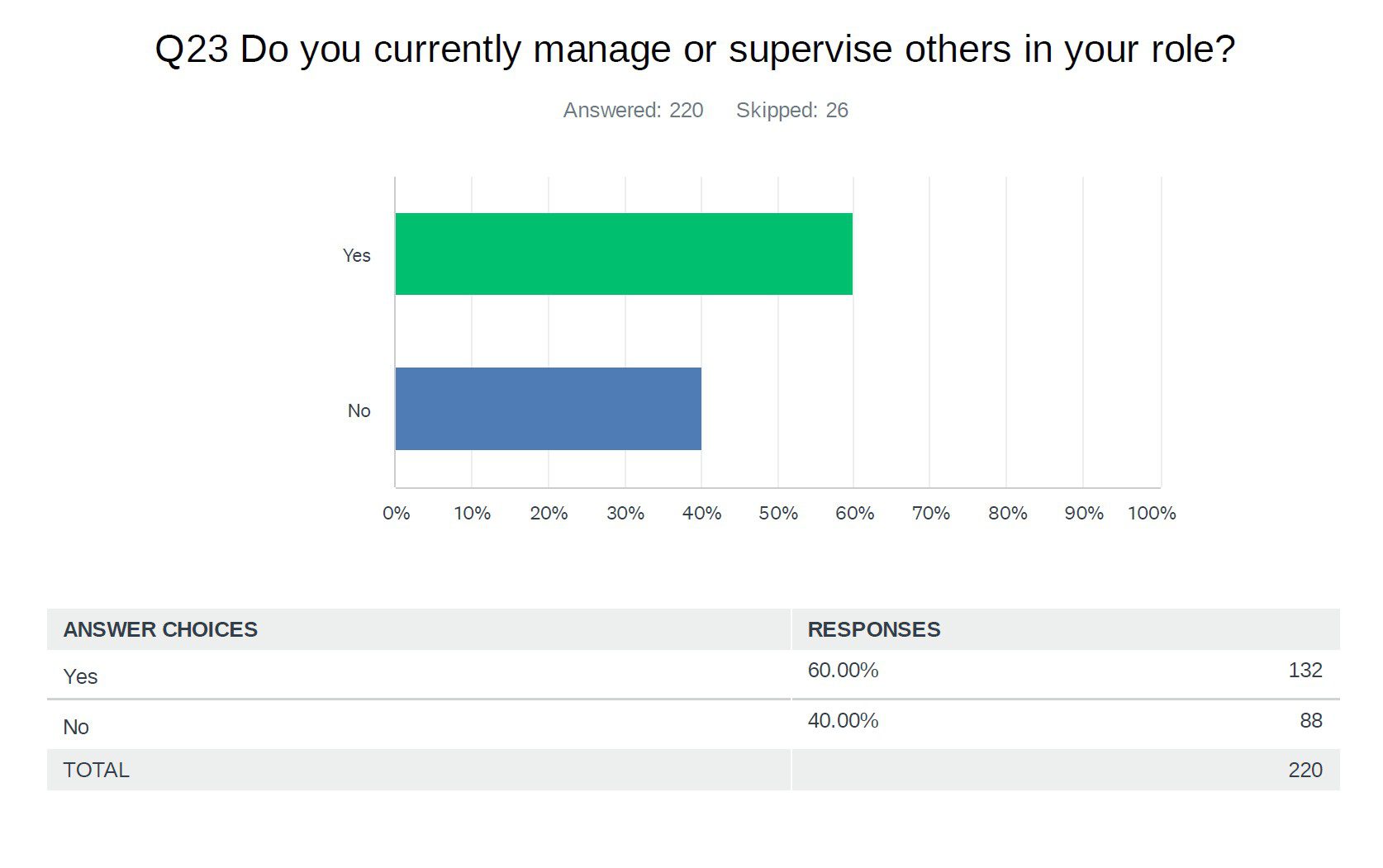
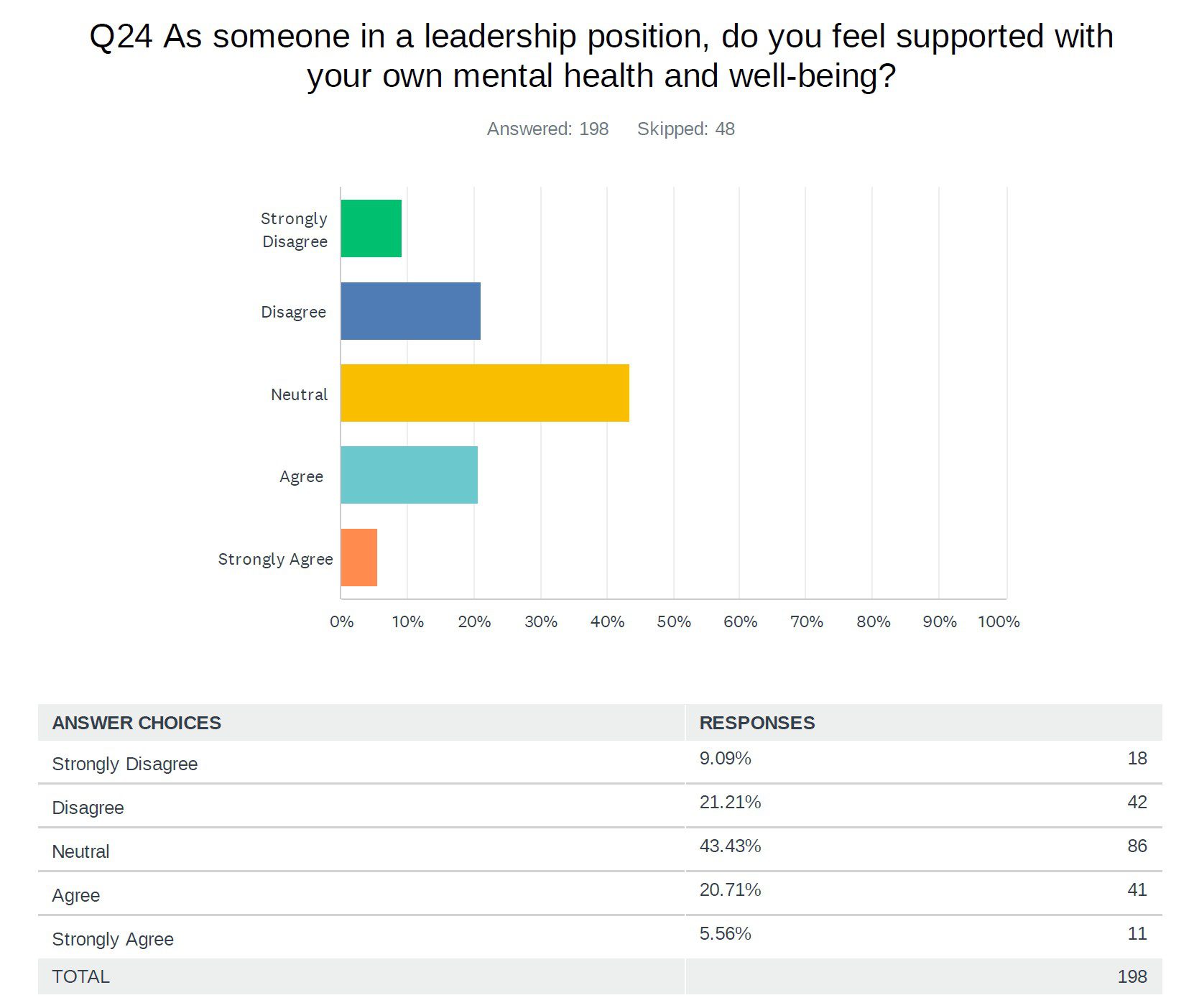
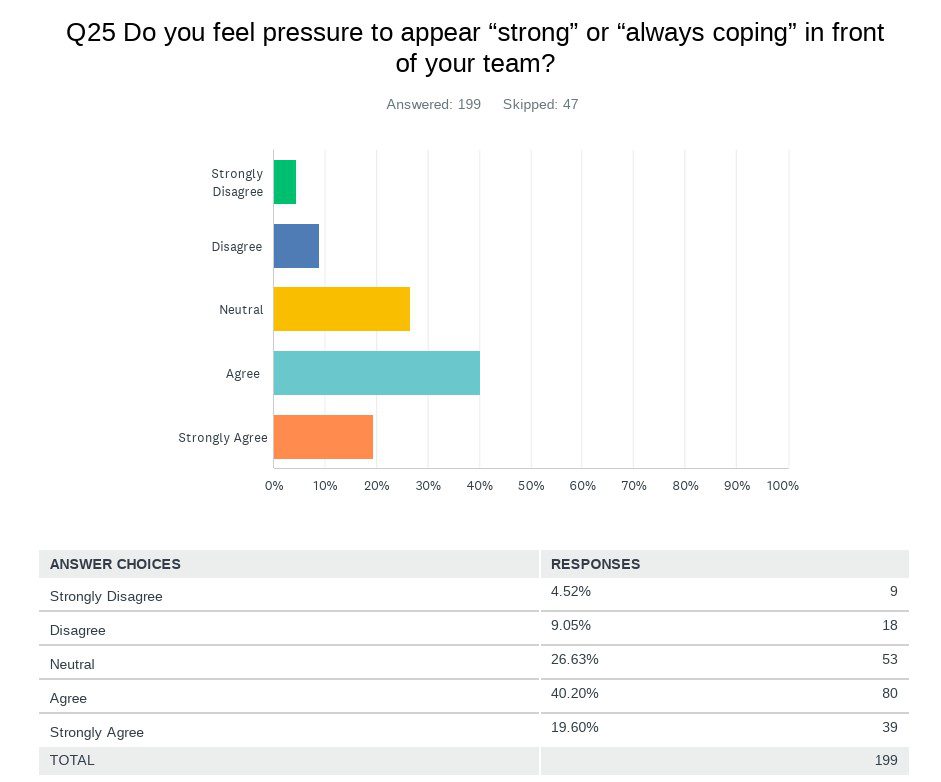
For those individuals who classed themselves as management or leaders as their job role they quite often felt pressure to appear strong or always coping in front of their team (Q25).
In conclusion, the dataset shows a workforce that is functioning, but with one in four sitting in a vulnerable mental health band, more than half reporting burnout symptoms in their current role, and over half saying work negatively affects mental health.
Three dominant themes have been identified from the survey;
- Workload and culture remain the top stressors,
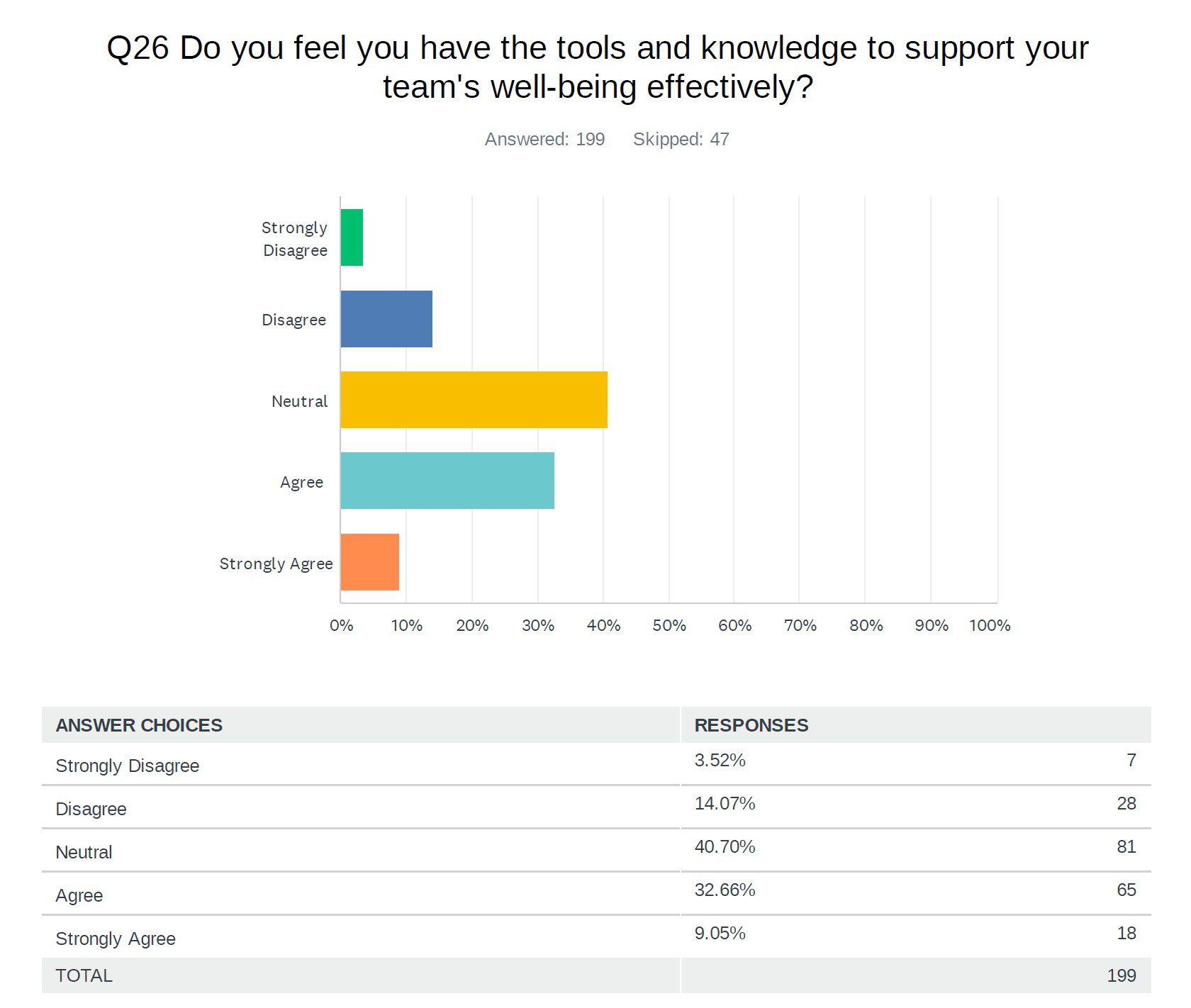
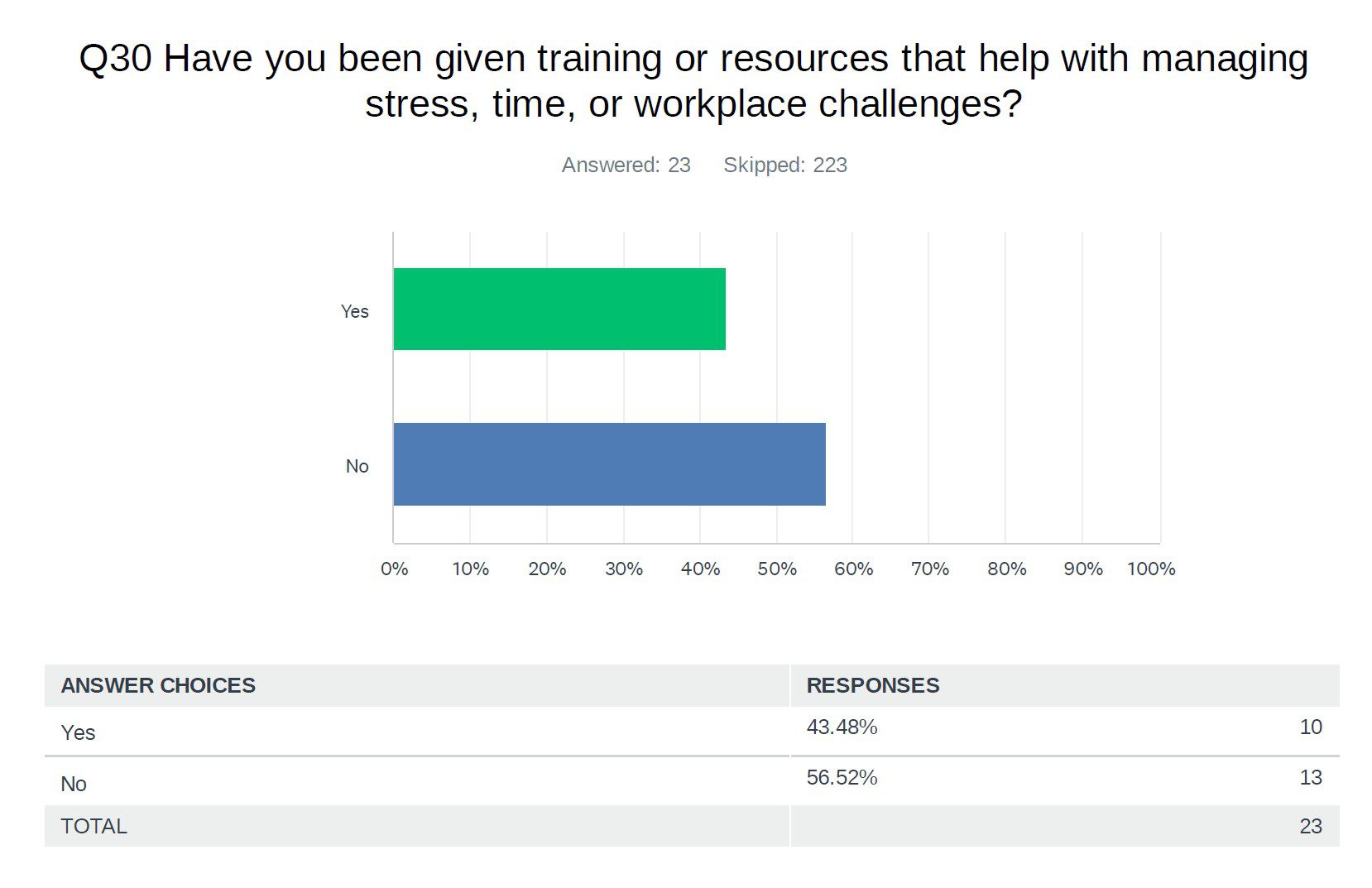
- Managers and leaders want tools, not theory,
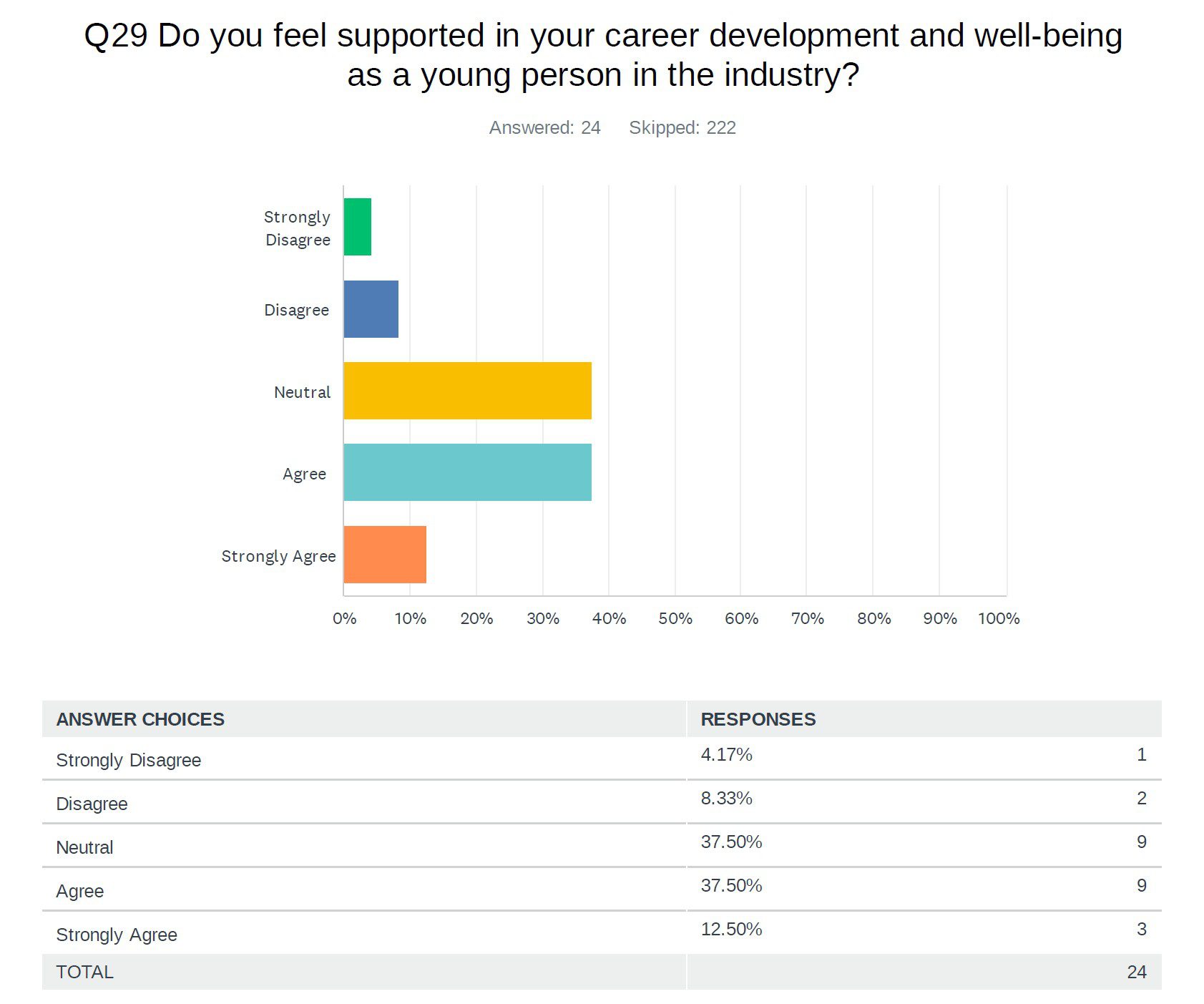
- Younger and field-based roles are at higher risk of poor wellbeing.
So, what’s next and what does future support look like?
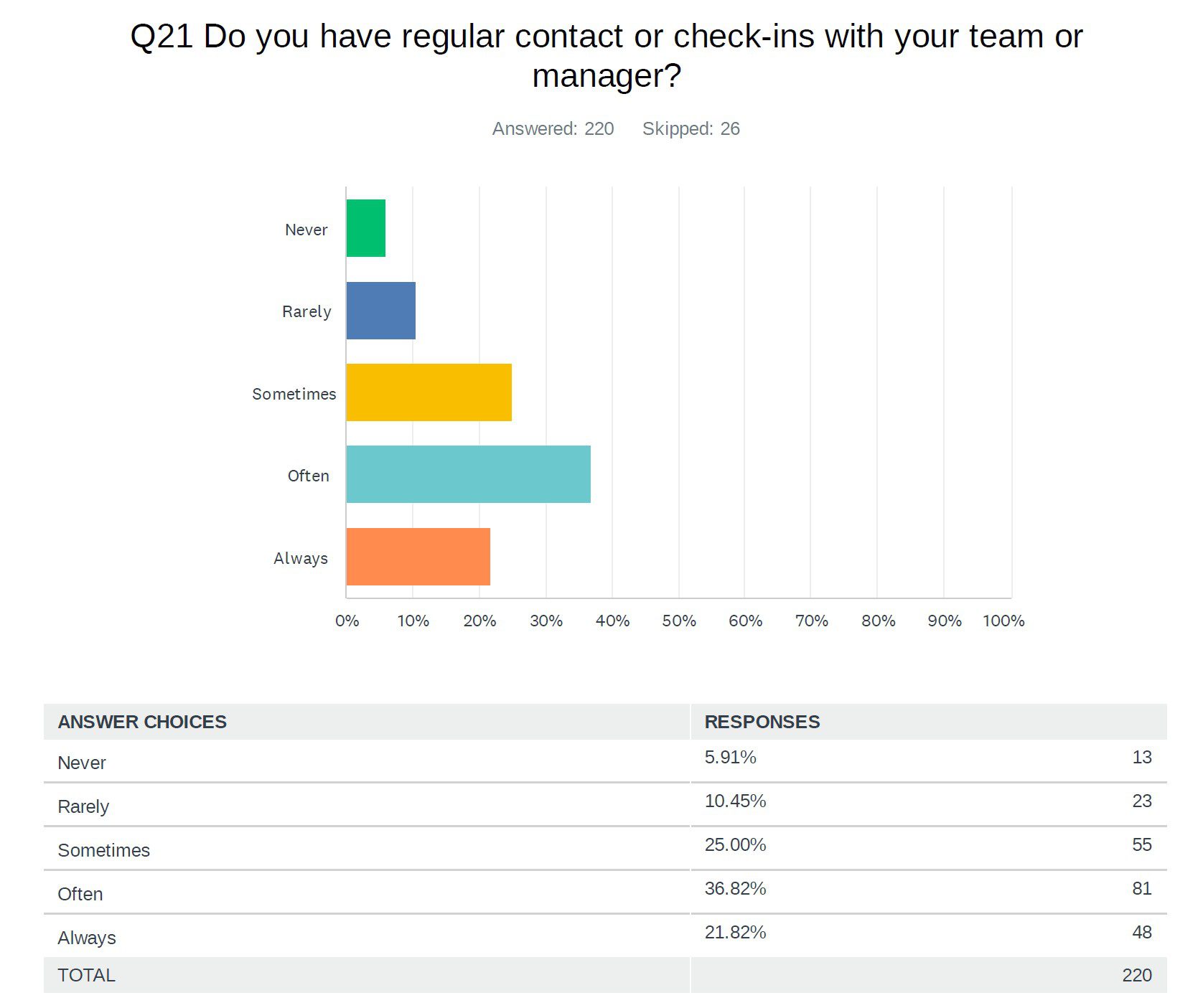
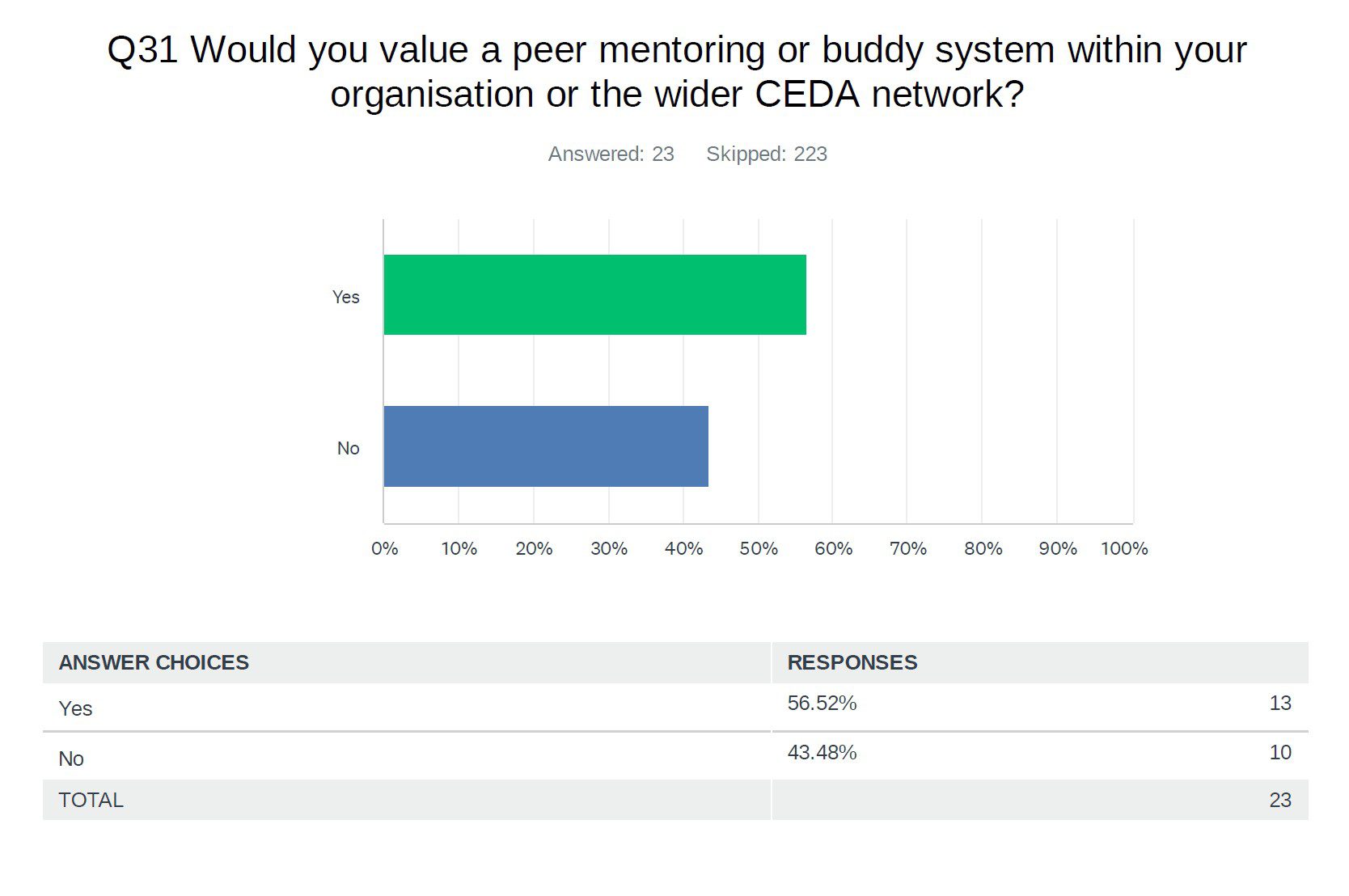
‘We would like to thank Kris Hall and The Burnt Chef Project for all their help and support in producing this survey and its findings. Also thank you to all of those that took part in the survey. Your input will help to drive meaningful solutions to address the dominant themes from the survey”, says Steve Hemsil, ceda Community Development Manager. “We want to strengthen the communication of wellbeing resources, influence culture change, introduce formal wellbeing policies, ensure colleagues have regular human contact and provide workload and stress management tools.”
“Our future actions are going to need lots of people, and their ideas, time and commitment.” Continues Hemsil. “We are now calling on anyone who is passionate about the subject or has ideas about how we can best support our colleagues to come forward and join the cedaWellbeing Working Group. We want to hear all and any ideas!
“We hope to meet early in the New Year to prioritise actions and begin our work of better supporting the mental health of the industry.”
Anyone with ideas or is interested in joining the cedaWellbeing Working Group should contact Steve Hemsil directly on 07476 719 151 or email steve@ceda.co.uk.
In the meantime, if you need help with your mental health and wellbeing then please take a look at the resources currently available on the cedaWellbeing web page: ceda.co.uk/ceda-wellbeing/
If you, or anyone you know, is in a mental health crisis, please contact the Samaritans on 116 123.